Quick Answer: In 2026, the solar panels NZ cost for a typical residential system ranges from $8,000 to $19,000 fully installed (including GST), depending on system size and panel quality. A standard 6.6kW system for an average New Zealand home costs around $10,000 to $13,000 installed. Prices have dropped significantly over the past decade, making solar more accessible than ever for Kiwi homeowners. For exact pricing tailored to your home, contact Weka Electrical for a free quote.
Whether you’re in Wellington, the Hutt Valley, or the wider lower North Island, understanding what solar panels cost in NZ is the first step towards slashing your power bills and reducing your carbon footprint. This guide breaks down every cost you need to know, from small 3kW systems through to large 13kW+ installations, plus battery storage, expected savings, and payback periods.
What’s in This Guide
- Solar Panel System Costs in 2026
- Cost by System Size
- What Affects the Cost of Solar Panels
- Solar Battery Costs
- How Much Will Solar Save You?
- Payback Period in NZ
- Why Choose Weka Electrical
- FAQs
Solar Panel System Costs in 2026
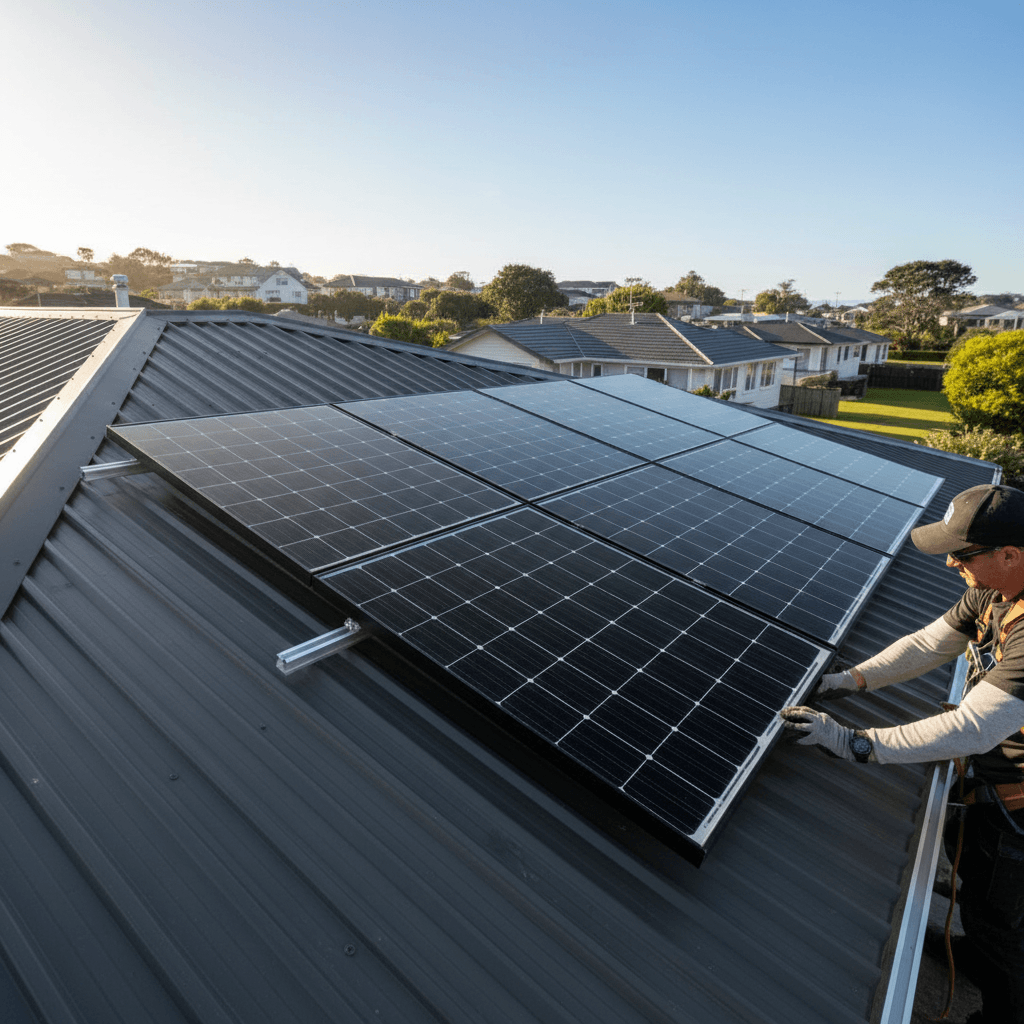
The New Zealand solar market has matured considerably over the past five years. Increased competition, better manufacturing efficiency, and growing demand have pushed solar panel prices in NZ down by roughly 30-40% compared to 2020. In 2026, you can expect to pay between $1.30 and $1.90 per watt for a fully installed residential solar system, depending on panel quality and installation complexity.
A “fully installed” price typically includes the solar panels, inverter, mounting hardware, all wiring, installation labour, electrical certification, and connection to the grid. Some providers charge separately for council consent or switchboard upgrades, so always ask for an all-inclusive quote.
Here is a summary of typical solar power cost NZ homeowners can expect in 2026:
| System Size | Number of Panels | Approx Cost (Installed, incl GST) | Best For |
|---|---|---|---|
| 3kW | 7-8 panels | $6,000 – $8,500 | Small home or apartment, 1-2 people |
| 5kW | 12-14 panels | $8,500 – $11,500 | Average NZ home, 2-3 people |
| 6.6kW | 15-18 panels | $10,000 – $13,000 | Standard family home, 3-4 people |
| 10kW | 24-28 panels | $14,000 – $19,000 | Large home or high usage, 4+ people |
| 13kW+ | 30+ panels | $18,000 – $25,000+ | Very high usage or future EV charging |
These are industry average prices for 2026. For exact pricing tailored to your home, contact Weka Electrical for a free quote.
Cost by System Size: What You Get
Understanding what is included at each price point helps you compare quotes and avoid surprises. Here is what a typical solar panel installation cost NZ includes at each system size.
3kW System ($6,000 – $8,500)
A 3kW system is the entry point for solar in New Zealand. It suits small households with modest power consumption (typically under 4,000 kWh per year). You will get 7-8 panels (around 400W each), a string inverter such as a Fronius Primo or Huawei SUN2000, roof mounting hardware, DC isolators, AC wiring to your switchboard, and full electrical certification. This size will offset a significant portion of a small household’s daytime electricity use.
5kW System ($8,500 – $11,500)
The 5kW solar system price NZ is the sweet spot for many average-sized homes. With 12-14 panels, this system generates enough power to cover most of a family’s daytime usage. Popular panel brands at this price point include LONGi, Jinko Solar, and Canadian Solar, all of which are Tier 1 manufacturers with strong warranties. Inverter options include the Fronius Primo, Enphase IQ microinverters, or the Huawei SUN2000 series.
6.6kW System ($10,000 – $13,000)
The 6.6kW system has become the most popular residential size in New Zealand and Australia. It generates enough power to comfortably cover a family of 3-4 during the day, with surplus exported to the grid for buy-back credits. At this price point, you can often choose premium panels from REC or SunPower, which offer higher efficiency ratings (22%+) and longer performance warranties (up to 25 years at 92% output).
10kW System ($14,000 – $19,000)
The 10kW solar system price NZ is suited to larger homes, households with high electricity consumption, or those planning to add an electric vehicle. You will need adequate roof space for 24-28 panels. At this size, SolarEdge optimisers or Enphase microinverters become attractive options, as they maximise output when panels face different directions or experience partial shading.
13kW+ System ($18,000 – $25,000+)
Systems above 13kW are typically for large properties, homes with pool heating, multiple heat pumps, or those looking to future-proof for EV charging and battery storage. These systems often require a three-phase inverter and may need council consent depending on your local authority’s rules.
What Affects the Cost of Solar Panels in NZ?
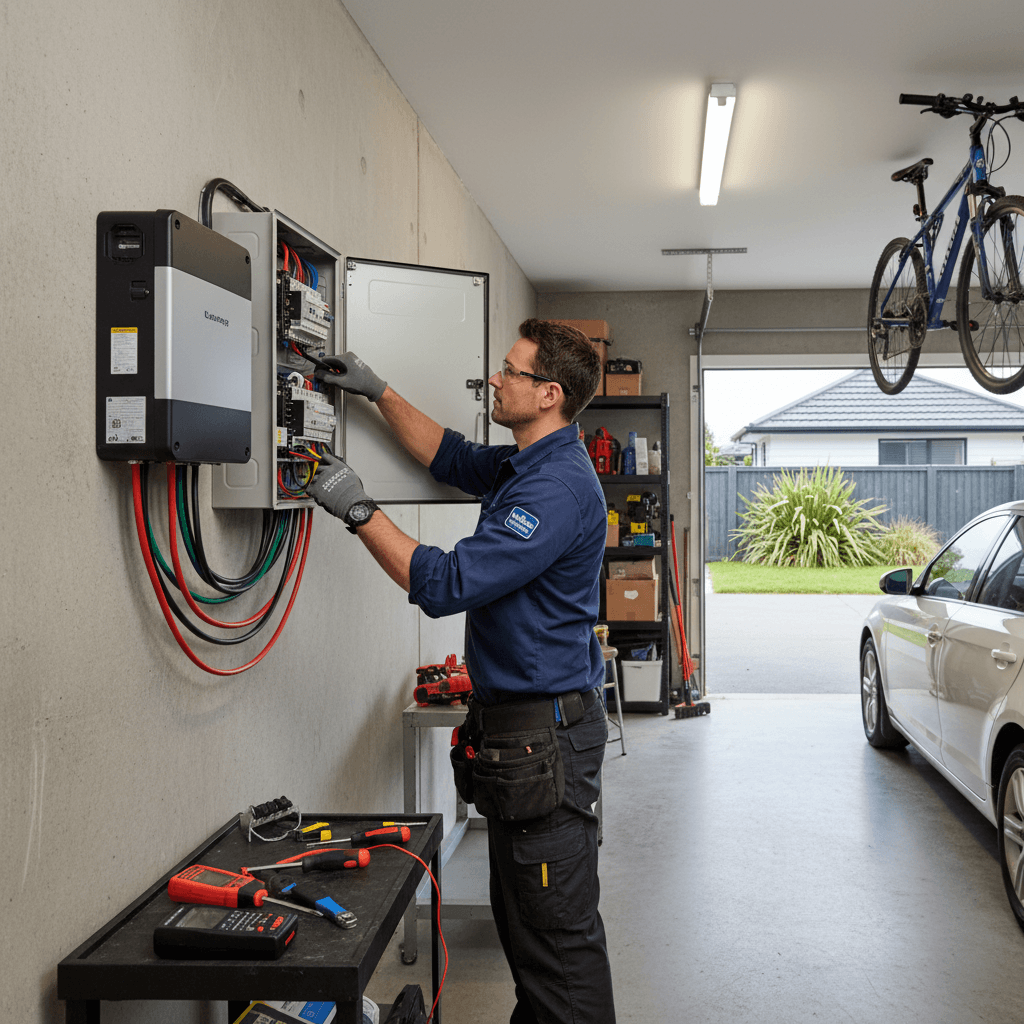
Two homes on the same street can receive quotes that differ by several thousand dollars. Here are the main factors that influence solar panels NZ price:
Panel Quality and Brand
Tier 1 panels from manufacturers like LONGi, Jinko, Canadian Solar, REC, and SunPower cost more upfront but offer better efficiency, longer warranties, and slower degradation rates. Budget panels may save $1,000-$2,000 on a 6.6kW system, but they typically degrade faster and have shorter warranty periods. We recommend sticking with Tier 1 panels for the best long-term value.
Inverter Type
Your inverter converts DC power from panels into usable AC power. There are three main options:
- String inverters (Fronius, Huawei) – Most cost-effective, ideal for unshaded roofs facing one direction
- Microinverters (Enphase) – One per panel, best for complex roofs or shading issues, typically adds $1,500-$3,000
- Optimisers (SolarEdge) – Panel-level optimisation with a central inverter, mid-range pricing
Roof Type and Complexity
Corrugated iron roofs (common across NZ) are the cheapest and easiest to install on. Tile roofs require special mounting brackets that add $500-$1,000 to the installation. Multi-storey homes, steep pitches, or difficult access points also increase labour costs. If your roof needs structural reinforcement or re-roofing before solar can be installed, that is an additional cost to factor in.
Electrical Upgrades
Older homes may need a switchboard upgrade to safely accommodate a solar system. This typically costs $800-$2,000 depending on the scope. You may also need a new smart meter installed by your electricity retailer, which is usually free but can take a few weeks to arrange.
Location
Wellington and the lower North Island receive fewer peak sun hours than Auckland or the top of the South Island. This does not affect the cost to install solar panels NZ, but it does influence your expected output and payback period. Wellington averages around 3.5-4.0 peak sun hours per day annually, compared to Auckland’s 4.2-4.5 hours.
Grid Connection and Metering
Your electricity retailer handles the grid connection and buy-back arrangement. Most NZ retailers offer buy-back rates between 7c and 12c per kWh for exported solar power. Some retailers offer higher rates on specific plans, so it pays to shop around once your system is installed.
Solar Battery Costs in NZ
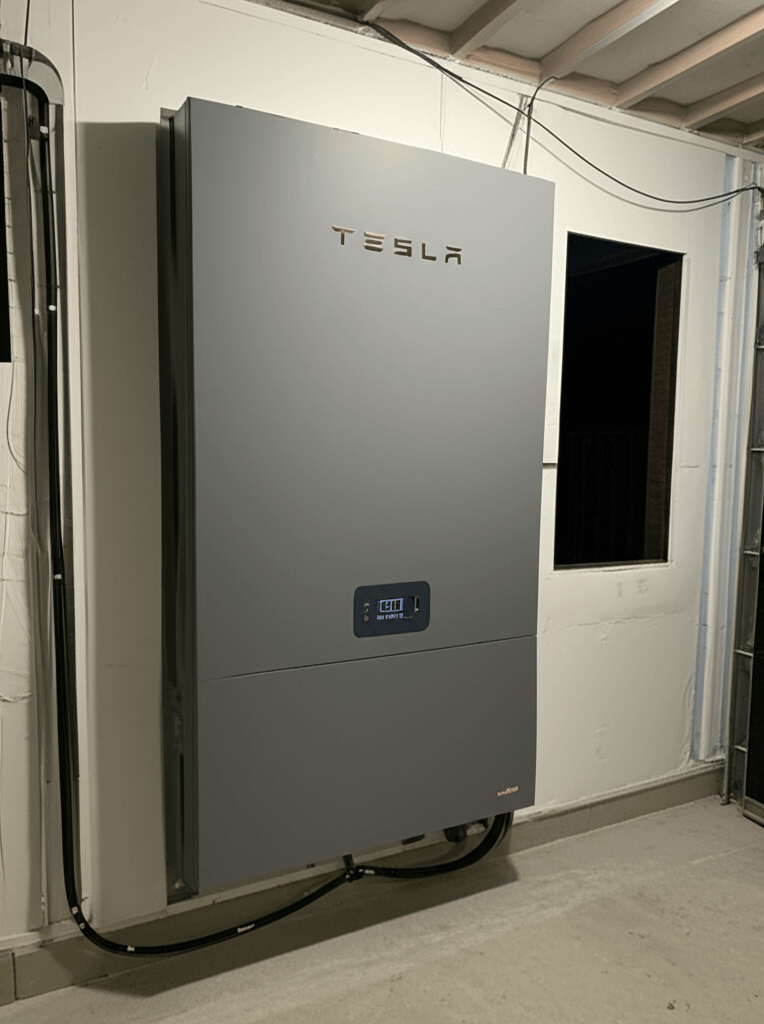
Adding battery storage allows you to store excess solar generation for use at night or during cloudy periods. While batteries significantly improve your self-consumption rate, they remain a substantial additional investment. Here are the most popular options available in New Zealand:
| Battery | Usable Capacity | Approx Cost (Installed) | Warranty |
|---|---|---|---|
| Tesla Powerwall 2 | 13.5 kWh | $15,000 – $18,000 | 10 years |
| BYD HVS | 5.1 – 12.8 kWh | $8,000 – $16,000 | 10 years |
| Enphase IQ Battery | 3.5 – 10.5 kWh | $7,000 – $14,000 | 10 years |
| Alpha ESS SMILE | 5.7 – 11.4 kWh | $8,000 – $15,000 | 10 years |
Battery prices are industry averages for 2026. For exact pricing, contact Weka Electrical for a free quote.
Batteries are entirely optional. Many homeowners start with panels only and add a battery later when prices drop further or their needs change. For a deeper look at whether battery storage makes financial sense for your situation, read our guide: Is a Solar Battery Worth It in New Zealand?
How Much Will Solar Save You?
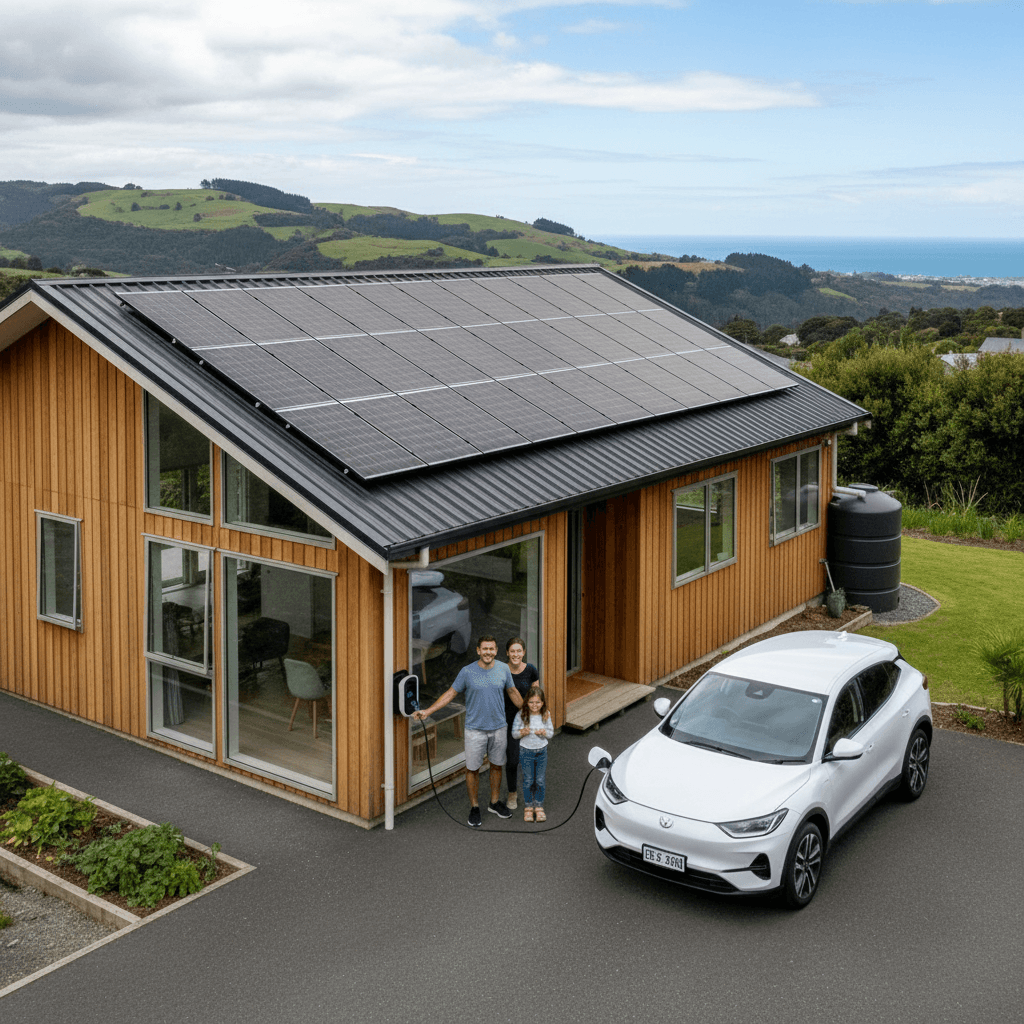
The amount you save depends on three key factors: how much solar your system generates, how much of that generation you use directly (self-consumption), and what buy-back rate your retailer offers for surplus power exported to the grid.
With average NZ electricity prices sitting around 35c per kWh in 2026, every unit of solar power you use directly saves you that full 35c. Power you export to the grid earns you only 7-12c per kWh in buy-back credits. This is why maximising self-consumption is the key to getting the best return on your solar investment.
Tips to increase self-consumption include running your dishwasher, washing machine, and dryer during the day, using timers on your hot water cylinder, and charging your EV during daylight hours.
| System Size | Annual Generation (Wellington) | Annual Savings Estimate |
|---|---|---|
| 3kW | ~3,600 kWh | $700 – $1,000 |
| 5kW | ~6,000 kWh | $1,100 – $1,500 |
| 6.6kW | ~7,900 kWh | $1,400 – $1,900 |
| 10kW | ~12,000 kWh | $2,000 – $2,800 |
Savings estimates assume 50-60% self-consumption, electricity at 35c/kWh, and buy-back at 8c/kWh. Wellington receives approximately 3.5-4.0 peak sun hours per day on average. For exact savings tailored to your home, contact Weka Electrical for a free quote.
It is worth noting that Wellington gets fewer sun hours than Auckland or Nelson, so your annual generation will be lower than national averages you might see on other websites. However, Wellington’s higher wind means panels stay cleaner, and the cooler temperatures actually improve panel efficiency compared to hotter regions.
Payback Period in NZ
The payback period is how long it takes for your electricity savings to cover the upfront cost of your solar system. For most New Zealand homeowners, the typical payback period is:
- Panels only: 5-8 years
- Panels + battery: 8-12 years
For example, a 6.6kW system costing $11,500 that saves $1,600 per year would pay for itself in just over 7 years. After that, you are generating essentially free electricity for the remaining 18+ years of your panel warranty.
Most quality solar panels come with a 25-year performance warranty guaranteeing at least 80-85% of original output. That means after your 5-8 year payback period, you could enjoy 17-20 years of heavily reduced power bills. Many panels continue producing well beyond their warranty period too.
Several factors speed up or slow down your payback:
- Higher electricity prices = faster payback (NZ power prices have risen 5-8% annually in recent years)
- Higher self-consumption = faster payback (using solar power directly saves more than exporting it)
- Better buy-back rates = faster payback (shop around for the best retailer deal)
- EV ownership = faster payback (charging an EV with solar saves significantly vs grid charging)
Why Choose Weka Electrical for Solar
Choosing the right installer is just as important as choosing the right panels. Our solar panel installation service covers the entire process from initial consultation through to grid connection, all handled by our in-house team of qualified electricians and certified solar installers.
Here is what sets Weka Electrical apart:
- Fully qualified and certified: All our solar installers are registered electricians with specific solar installation certifications. We are not a sales company that subcontracts the actual work.
- Design, electrical, and install all in-house: We design your system, handle all the electrical work, and complete the physical installation ourselves. One team, one point of contact, no finger-pointing.
- Wellington region specialists: We understand the local conditions, council requirements, and the best panel orientations for maximum generation in the lower North Island.
- We handle the paperwork: Council consent applications, grid connection forms, and retailer buy-back arrangements are all sorted by our team.
- Tier 1 panels and reputable inverters: We only install quality equipment from brands we trust, including LONGi, Jinko, Canadian Solar, Fronius, and Enphase.
- Transparent pricing: Our quotes include everything. No hidden costs for scaffolding, electrical upgrades, or consent fees that appear after you have signed up.
Frequently Asked Questions
How much do solar panels cost for a 3-bedroom house in NZ?
A typical 3-bedroom house in New Zealand would suit a 5kW to 6.6kW solar system, which costs between $8,500 and $13,000 fully installed (including GST) in 2026. The exact cost depends on your roof type, panel brand, and inverter choice. For exact pricing tailored to your home, contact Weka Electrical for a free quote.
Are solar panels worth it in Wellington?
Yes, solar panels are absolutely worth it in Wellington. While the region gets fewer sun hours than Auckland, Wellington still receives enough solar radiation to make panels financially worthwhile, with typical payback periods of 5-8 years. The cooler temperatures actually help panels operate more efficiently, and rising electricity prices continue to improve the return on investment.
How many solar panels do I need for my home?
The number of panels depends on your electricity usage and available roof space. As a rough guide, a household using 7,000-8,000 kWh per year would benefit from a 6.6kW system (15-18 panels). Check your power bill for your annual consumption, or we can review this during a free consultation to recommend the right size for your needs.
Do I need a battery with solar panels?
No, a battery is entirely optional. Most homeowners start with panels only and add a battery later if they wish. Without a battery, you export surplus power to the grid and receive buy-back credits from your retailer. A battery lets you store surplus power for use at night, which increases your self-consumption rate. Read our full guide on whether a solar battery is worth it in NZ for a detailed cost-benefit analysis.
What is the solar buy-back rate in NZ?
Solar buy-back rates in New Zealand typically range from 7c to 12c per kWh in 2026, depending on your electricity retailer. Some retailers offer higher rates on specific plans. The buy-back rate is the amount your retailer pays you for surplus solar power you export to the grid. Since the buy-back rate is much lower than the retail price you pay for grid electricity (~35c/kWh), maximising self-consumption is more valuable than maximising exports.
How long do solar panels last?
Quality solar panels from Tier 1 manufacturers typically come with a 25-year performance warranty, guaranteeing at least 80-85% of original output. In practice, most panels continue producing electricity well beyond 25 years, with some studies showing panels still at 85-90% output after 30+ years. Inverters have shorter lifespans (10-15 years for string inverters, 25 years for Enphase microinverters), so budget for one inverter replacement over the life of your system.