Quick Answer: An electrical safety certificate in New Zealand costs $150-$400 depending on property size and confirms your electrical system meets safety standards. Required for property sales, rentals, insurance claims, and after major electrical work.
What’s in This Guide
- What is an Electrical Safety Certificate
- When You Need One
- Cost Breakdown
- The Inspection Process
- Common Issues Found
- Why Choose Weka Electrical
- FAQs
What is an Electrical Safety Certificate
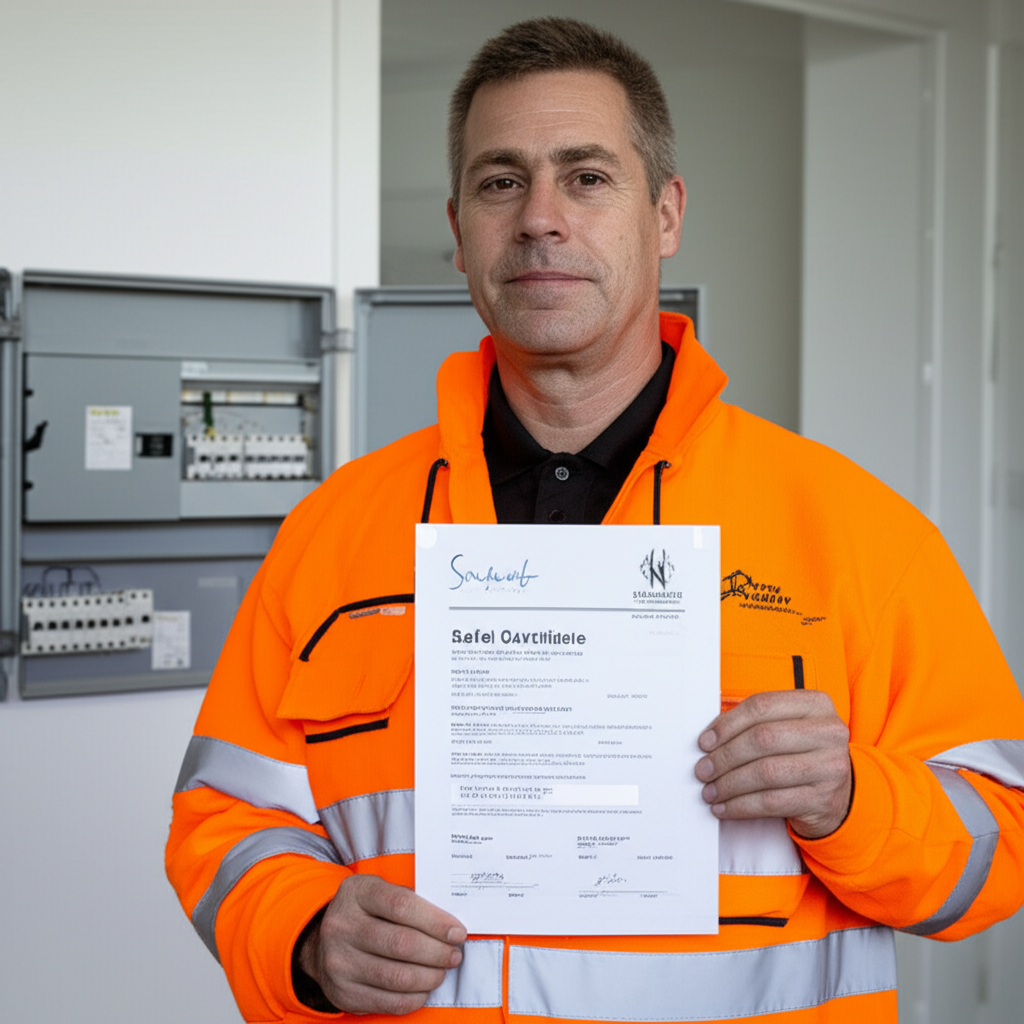
An electrical safety certificate is an official document that proves your property’s electrical installation meets New Zealand safety standards. This certificate is issued by a licensed electrician after conducting a thorough electrical inspection of your wiring, switches, outlets, and safety devices.
The certificate covers all fixed electrical installations in your property, including:
- Main electrical panel and switchboard
- All electrical circuits and wiring
- Power outlets and light switches
- Safety switches (RCDs)
- Earthing systems
- Hot water cylinder connections
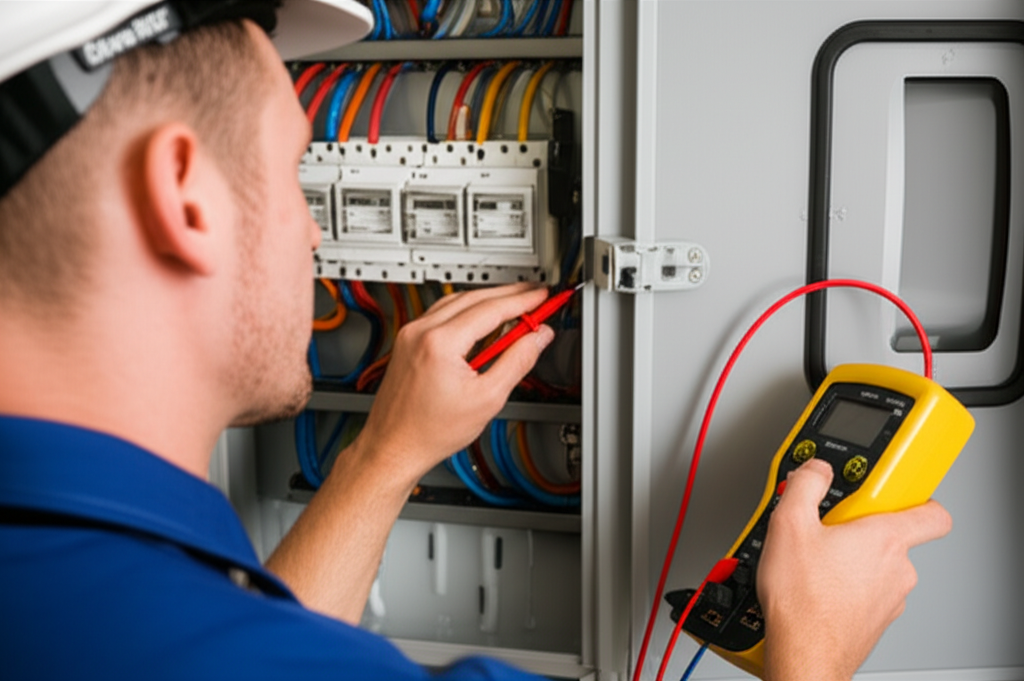
The inspection follows strict guidelines set by Worksafe New Zealand and the Electricity (Safety) Regulations. Your electrician will test each component to ensure it operates safely and meets current electrical standards.
Types of Electrical Certificates
There are several types of electrical certificates in New Zealand:
- Certificate of Compliance (CoC): For new electrical work or alterations
- Electrical Safety Certificate: For existing installations requiring inspection
- Record of Inspection: For rental properties and regular safety checks
When You Need an Electrical Safety Certificate
New Zealand law requires electrical safety certificates in several situations. Understanding when you need one helps you plan ahead and avoid delays.
Property Sales
Most property sales require an electrical safety certificate, especially for older homes. Real estate agents and solicitors typically request this as part of the pre-purchase inspection process. Properties built before 1980 almost always need certification due to outdated wiring systems.
Rental Properties
Landlords must ensure their rental properties meet electrical safety standards. While not always legally required, many property managers request certificates to protect tenants and reduce liability. Some insurance policies also require current electrical certificates for rental properties.
Insurance Claims
Insurance companies often require electrical safety certificates after:
- Fire damage involving electrical systems
- Flood or water damage affecting electrical installations
- Lightning strikes
- Major renovations involving electrical work
After Major Electrical Work
Any significant electrical alterations or additions require certification. This includes:
- New circuits or power outlets
- Switchboard upgrades
- Heat pump installations
- Pool or spa electrical connections
- Garden lighting or outdoor power
Electrical Safety Certificate Cost Breakdown
The cost of an electrical safety certificate varies based on property size, age, and complexity of the electrical system. Here’s what you can expect to pay:
| Property Type | Certificate Cost | Typical Timeline |
|---|---|---|
| Small unit/apartment | $150 – $250 | 1-2 hours |
| Standard family home | $250 – $350 | 2-3 hours |
| Large home (4+ bedrooms) | $350 – $400 | 3-4 hours |
| Commercial property | $400 – $800+ | Half to full day |
What Affects the Cost
Several factors influence the final price of your electrical safety certificate:
- Property age: Older homes require more thorough testing due to outdated systems
- System complexity: Multiple circuits, sub-panels, or specialized equipment increase inspection time
- Accessibility: Hard-to-reach panels or wiring may require additional time
- Location: Travel time to rural properties may incur additional charges
- Urgency: Rush jobs or after-hours inspections cost more
Additional Costs to Consider
If the inspection reveals safety issues, you may need remedial work before the certificate can be issued:
- Safety switch installation: $150 – $300 per RCD
- Earthing upgrades: $200 – $500 depending on complexity
- Circuit repairs: $100 – $300 per circuit
- Switchboard upgrades: $800 – $2,500 for full replacement
The Electrical Safety Certificate Inspection Process
Understanding what happens during an electrical safety inspection helps you prepare and ensures nothing is missed. The process follows a systematic approach to check every aspect of your electrical system.
Pre-Inspection Preparation
Before the electrician arrives:
- Ensure access to all electrical panels and meters
- Clear areas around switchboards and hot water cylinders
- Have recent electrical work documentation ready
- Test all outlets and switches to identify obvious problems
Visual Inspection
The electrician starts with a comprehensive visual inspection of:
- Main switchboard condition and labeling
- Cable condition and support systems
- Safety switch operation and ratings
- Earthing conductor connections
- Hot water cylinder wiring and isolation switches
Electrical Testing
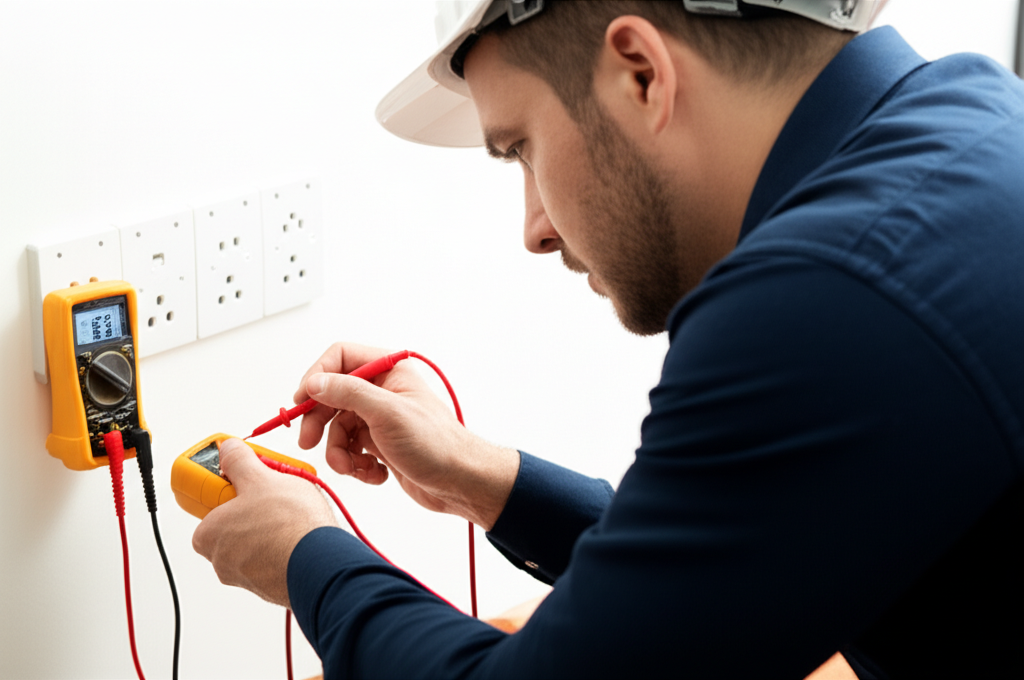
Using specialized testing equipment, the electrician measures:
- Earth resistance: Ensures effective earthing for safety
- Insulation resistance: Checks for cable deterioration or damage
- RCD operation: Tests safety switch response times
- Circuit integrity: Verifies all connections are secure
- Polarity: Confirms correct wiring connections
Documentation and Reporting
After completing all tests, your electrician will:
- Record all test results and measurements
- Photograph any defects or safety concerns
- Prepare the official safety certificate
- Provide recommendations for any required work
The entire process typically takes 1-4 hours depending on property size and complexity.
Common Issues Found During Electrical Inspections
Many properties, especially older ones, have electrical issues that must be addressed before a safety certificate can be issued. Here are the most common problems our Wellington electricians encounter:
Missing or Faulty Safety Switches
Properties built before 1992 often lack proper RCD protection. Modern standards require safety switches on all power circuits. Common issues include:
- No RCD protection on power outlets
- Old safety switches that don’t meet current standards
- RCDs that fail operational testing
- Incorrect RCD ratings for circuit protection
Inadequate Earthing Systems
Older homes frequently have earthing problems that pose serious safety risks:
- No main earthing conductor
- Corroded earth connections
- Inadequate earth electrode systems
- Missing equipment earthing bonds
Outdated Switchboards
Aging electrical panels create multiple compliance issues:
- Porcelain rewirable fuses instead of circuit breakers
- Asbestos-containing switchboard materials
- Insufficient circuit capacity for modern loads
- Poor labeling or circuit identification
Wiring and Installation Defects
Cable and connection problems are common in older installations:
- Deteriorated rubber or fabric insulation
- Overloaded circuits and undersized cables
- Loose connections causing heating
- Non-compliant cable routing or support
Hot Water Cylinder Issues
Hot water systems often have electrical compliance problems:
- Missing isolation switches near cylinders
- Incorrect cable types for high-temperature areas
- Poor connections to heating elements
- No proper earthing of metal cylinders
Why Choose Weka Electrical for Your Safety Certificate
Getting an electrical safety certificate is about more than just meeting legal requirements – it’s about protecting your property and loved ones. Our Wellington-based team brings years of experience and local knowledge to every inspection.
Our comprehensive electrical compliance services ensure your property meets all current New Zealand standards. We understand Wellington’s unique challenges, from earthquake resilience requirements to coastal corrosion issues that affect electrical installations.
What sets us apart:
- Licensed and experienced: All our electricians hold current practicing licenses
- Local expertise: We know Wellington building codes and council requirements
- Comprehensive testing: We use the latest calibrated testing equipment
- Clear reporting: You’ll receive detailed certificates with photos and explanations
- Competitive pricing: Fair, transparent pricing with no hidden costs
- Quick turnaround: Most certificates issued within 24 hours of inspection
We also handle any remedial work required to bring your property up to standard, saving you the hassle of coordinating multiple contractors.
Frequently Asked Questions
How long does an electrical safety certificate last?
There’s no set expiry date for electrical safety certificates in New Zealand. However, most organizations accept certificates up to 2-3 years old for property sales, and rental properties may require annual inspections.
Can I get a safety certificate if my electrical system has issues?
No, safety issues must be fixed before a certificate can be issued. However, we can provide a detailed quote for any required remedial work and complete both the repairs and certification efficiently.
Do I need to be home during the inspection?
Yes, someone needs to be present to provide access to all areas of the property. The inspection typically takes 1-4 hours depending on property size and complexity.
What’s the difference between a safety certificate and certificate of compliance?
A Certificate of Compliance (CoC) is issued for new electrical work, while a safety certificate verifies that existing installations meet current standards. Both are valid compliance documents.
Will old wiring automatically fail the inspection?
Not necessarily. Age alone doesn’t determine compliance – the condition and safety of the installation matters most. However, very old wiring systems often need upgrades to meet current safety standards.
How much notice do you need for an electrical safety certificate?
We can usually schedule inspections within 2-3 business days. For urgent requirements (property settlements, insurance claims), we offer priority booking with same-day or next-day service available.