“Why does my power keep tripping?” is a common question among homeowners, often caused by overloaded circuits, faulty appliances, or electrical faults. Understanding these issues can help you maintain a safe home environment.
- Introduction
- Section 2: Identifying Electrical Faults
- Performing Basic Electrical System Checks
- Why Choose Weka Electrical for Your Electrical Needs
- Frequently Asked Questions
- Why does my power keep tripping?
- How can I identify if a circuit is overloaded?
- What should I do if I suspect faulty appliances at home?
- When should I call an electrician in Wellington?
- Can faulty wiring cause power tripping?
- How often should I check my home’s electrical system?
- Is it safe to reset the circuit breaker myself?
- What steps can I take to prevent electrical issues?
The frustration of suddenly losing power at home can be quite disruptive, leaving some homeowners asking, “Why does my power keep tripping?” While it’s tempting to blame gremlins in the system, there are very real and practical reasons why this occurs. In this introduction to electrical safety, we’ll explore the common causes behind these power interruptions, ensuring you have the knowledge to troubleshoot basic issues and maintain a safe environment.
Common Causes of Power Tripping
Power tripping is often indicative of underlying electrical faults or overloads within the household system. Overloaded circuits are a frequent culprit, especially in older homes or during times of peak electricity usage. Aged wiring, too many devices plugged into a single outlet, or the penchant to run multiple high-wattage appliances simultaneously can all lead to this issue. With the increasing reliance on electronic devices in Wellington homes, being aware of your electrical load can prevent these unwanted trips.
Understanding Overloaded Circuits
Understanding why the power might keep tripping often starts with recognising how circuits work. Circuits are designed to safely carry a certain amount of electrical current. When that threshold is exceeded, the safety mechanisms, such as circuit breakers, are triggered to prevent overheating and potential hazards like electrical fires. However, in newer homes, circuit breakers should generally suffice, while older homes might require a more thorough evaluation by a professional, such as those from Weka Electrical, to ensure safety.
Role of Faulty Appliances
Another pivotal factor contributing to the problem is faulty or aging appliances. Dishwashers, refrigerators, or even lighting fixtures can degrade over time, leading to inefficiencies or malfunctions that cause them to draw more power than intended. This underscores the need for regular maintenance checks, a service readily available through local Wellington providers. Ensuring that appliances are in good working order goes a long way in keeping your home powered safely and continuously.
In summary, tackling the question, “Why does my power keep tripping?”, involves understanding a variety of potentially overlapping issues. Through careful investigation and, when necessary, the expertise of a qualified electrician, you can keep your home safe and energy-efficient. As we delve further into this blog, each section will provide deeper insights into safeguarding your home from electrical mishaps.
Section 2: Identifying Electrical Faults
Understanding the nature of electrical faults can be pivotal in resolving persistent power trips in your home, enhancing both safety and convenience. In many Wellington households, these incidents are not just minor inconveniences but can also pose significant safety hazards if left unaddressed.
Understanding Common Faults
The first step in managing electrical issues is understanding the different types of faults that can occur. Short circuits are among the most prevalent causes of power tripping. They happen when the electrical path is interrupted by a fault within the wiring system, allowing electricity to flow along an unintended path. This can lead to overheating, which may cause circuit breakers to trip.
Ground faults, another frequent culprit, occur when electrical currents take an unintended path to the ground. This can cause appliances and wiring systems to become live, leading to breaker trips. Both short circuits and ground faults are serious and require immediate attention from a professional electrician to prevent potential hazards, such as fires.
Identifying Signs of Electrical Faults
Recognising the signs of electrical faults early can prevent the problem from escalating. Some common indicators include flickering lights, a burning smell near outlets or switchboards, or frequently resetting circuit breakers. Hearing buzzing sounds from electrical outlets or lights can also hint at an underlying issue.
Moreover, consistent unexplainable spikes in electricity bills may also suggest underlying electrical faults. If any of these symptoms are present, it is crucial for homeowners in Wellington to consult with professionals like Weka Electrical.
Tools and Methodologies for Detection
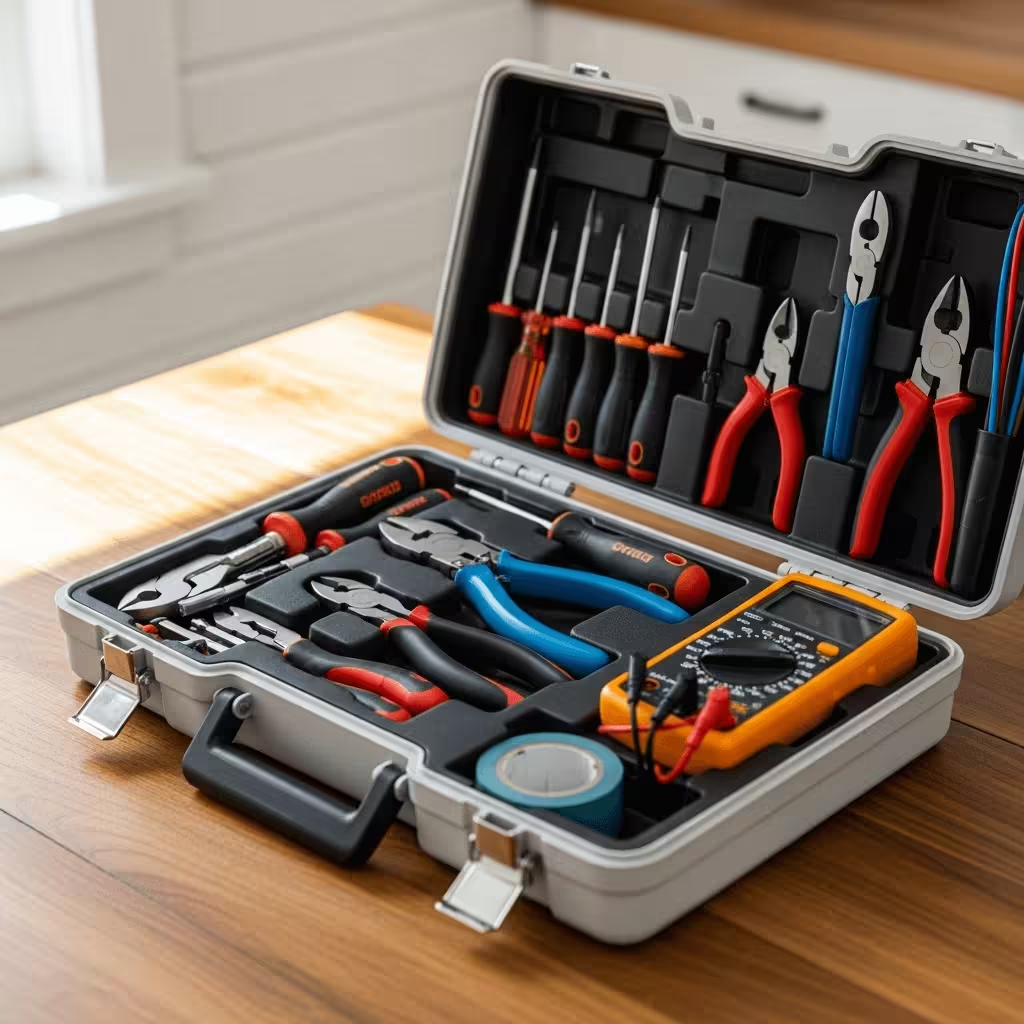
Homeowners equipped with the right tools and knowledge can perform preliminary checks before seeking professional assistance. A multimeter is an invaluable tool for detecting faults by measuring voltage, current, and resistance across electrical circuits. By checking continuity and identifying circuit integrity, issues like short circuits and faulty wires can be pinpointed.
However, it’s essential to note that while basic troubleshooting can sometimes identify problems, the expertise of trained electricians is irreplaceable for both safety and comprehensive electrical system checks. Therefore, while DIY diagnosis can be helpful, consultations with professionals are highly advised.
When to Call a Professional
While basic troubleshooting can occasionally isolate the issue causing electrical faults, there are clear instances where professional intervention is needed. Situations involving consistent breaker trips or electrical burning smells should never be handled independently due to potential risks. Weka Electrical offers expert services in Wellington for these exact scenarios, ensuring both peace of mind and home safety.
Engaging professional services not only eliminates the immediate issue but also helps in identifying potential risks before they escalate into serious hazards. A professional assessment can ensure that a home’s wiring and electrical systems are robust and compliant with safety standards, providing long-term safety and efficiency.
Performing Basic Electrical System Checks
Ensuring your home’s electrical system is functioning as it should is pivotal to maintaining safety and avoiding inconvenient power trips. Although more complex issues require professional attention, there are basic checks you can conduct yourself to potentially identify and resolve simple problems. In this section, we’ll guide you through practical steps you can undertake safely.
Basic Circuit and Appliance Checking
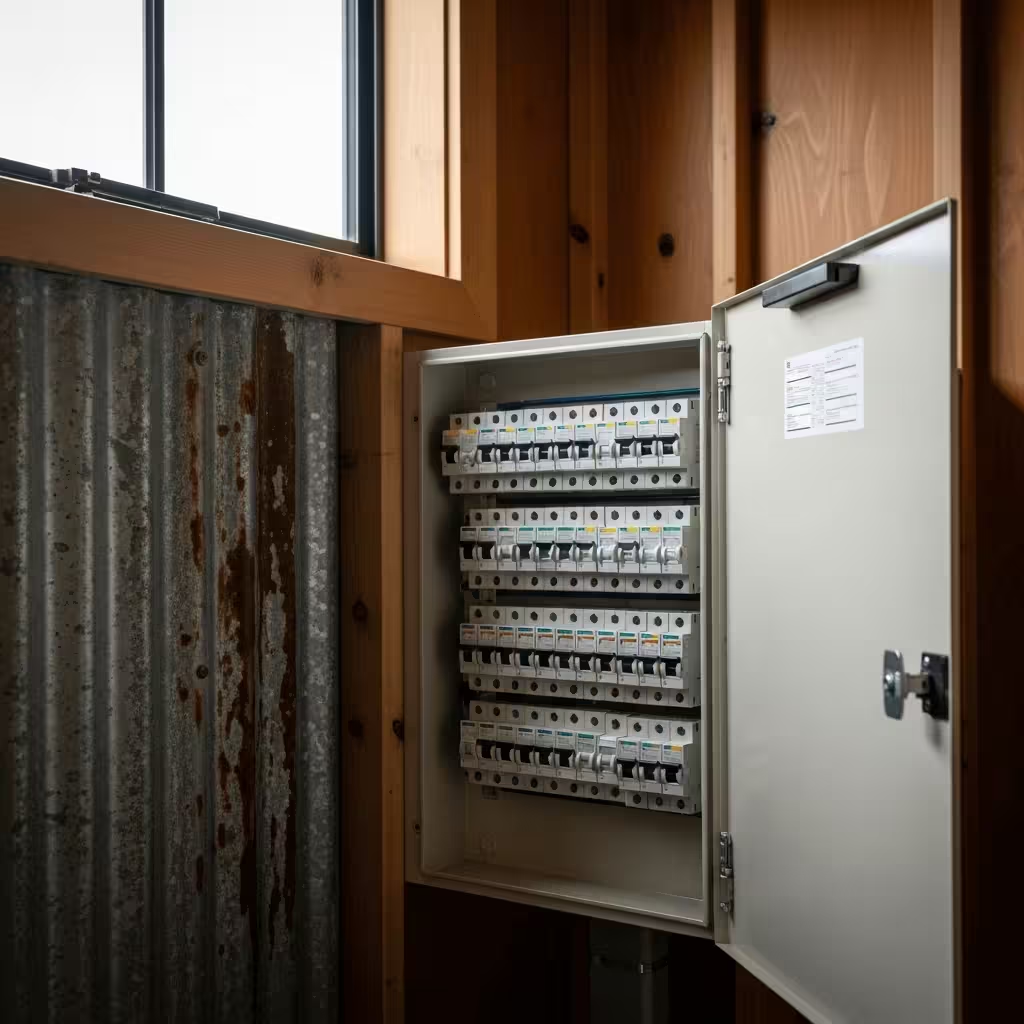
Start by checking your circuit breaker panel. Look for any switches that have tripped and reset them if necessary, but only once per attempt to avoid further issues. If a specific circuit trips repeatedly, it often indicates an overloaded circuit or a fault. Next, unplug any high-wattage appliances that were in use when the power interrupted, as these can often trigger trips due to excessive current draw.
Inspect appliances for any visible fraying or damage to cords or plugs that might suggest a fault. Often, simply identifying an old or malfunctioning appliance can prevent further disruptions. Remember to avoid using appliances with damaged cords and consider replacing or repairing them.
Monitoring for Variations in Power
Keep an eye out for any flickering lights, particularly when operating complex appliances. Such fluctuations can hint at voltage saddle problems or issues within your wiring. Using a power quality meter can help detect irregularities in voltage or identify weak spots in your home’s electrical network.
Moreover, pay attention to any burning smells or unusual noises emanating from outlets, which might point out a more severe fault requiring immediate professional intervention. Swift action can prevent further risks, including electrical fires.
Understanding and executing these checks can help you maintain a safer home environment, reducing the likelihood of unexpected power trips. By taking these proactive steps, not only do you enhance safety, but you also potentially save on repair costs by addressing simple issues early.
In the next section, we will delve into why choosing Weka Electrical for complex electrical issues ensures expert handling and peace of mind for homeowners in Wellington.
Why Choose Weka Electrical for Your Electrical Needs
In the realm of electrical services, particularly when pondering the question, “why does my power keep tripping,” having an expert on your side can make a world of difference. At Weka Electrical, we pride ourselves on being the leading choice for electrical solutions in Wellington, New Zealand. Our team brings a wealth of experience and local expertise to every job, ensuring that your electrical needs are met with the utmost professionalism and care.
Experienced Local Experts
One of the standout features of Weka Electrical is our deep-rooted presence in Wellington. Our local expertise allows us to understand the unique challenges that homes in this region might face. From fluctuating weather conditions to specific local electrical codes, our team is well-versed in handling them all. This localised knowledge means that when an electrician in Wellington is required, we are not only quick to respond, but we are also equipped to manage challenges unique to this area effectively.
What Sets Us Apart
Weka Electrical distinguishes itself through its commitment to quality and customer satisfaction. Our electricians are fully qualified and undergo regular training to stay abreast of the latest advancements in electrical technology and safety standards. This commitment ensures that we are not only solving your problems today but are also providing solutions to prevent future issues. Furthermore, our transparent pricing and reliable service have earned us a reputation for honesty and integrity within the Wellington community. Our 24-hour electrician services in Wellington are available around the clock for urgent electrical issues.
We understand that when you encounter issues like power tripping, these problems can disrupt your daily life. Therefore, our services are designed to resolve your issues swiftly. This combination of expertise, reliability, and commitment ensures that Weka Electrical is not just an option, but the best choice when asking, “why does my power keep tripping?”
As you seek clarity on this topic, our next section Frequently Asked Questions will address the common queries you might have about power tripping in Wellington homes. This section promotes understanding, giving you confidence and peace of mind.
Frequently Asked Questions
Why does my power keep tripping?
There are several reasons why your power might frequently trip. Common causes include overloaded circuits, faulty appliances, or wiring issues. Identifying the root cause is essential to maintaining a safe electrical system.
How can I identify if a circuit is overloaded?
You can recognise an overloaded circuit if your circuit breaker trips repeatedly or you notice dimming lights. This often occurs when too many appliances are plugged into a single circuit. Unplugging some devices can help diagnose if this is the cause.
What should I do if I suspect faulty appliances at home?
If you suspect that faulty appliances are causing power issues, try unplugging them one by one to see if the problem resolves. Faulty appliances can cause repeated tripping. Consider repairing or replacing them if identified as the source.
When should I call an electrician in Wellington?
Reach out to a professional electrician when you notice persistent issues that you can’t resolve, such as frequent power trips or flickering lights, or if you spot any signs of burning around outlets or wiring.
Can faulty wiring cause power tripping?
Yes, faulty wiring can lead to power tripping as damaged or poor connections may create short circuits. It’s crucial to address these issues promptly for safety.
How often should I check my home’s electrical system?
It’s advisable to perform basic checks at least once a year or whenever you notice signs of electrical trouble. Regular maintenance can help prevent potential hazards.
Is it safe to reset the circuit breaker myself?
Resetting a circuit breaker is typically safe if you do it correctly. However, ensure you understand the cause of the trip before resetting to avoid further issues. If unsure, contact a professional.
What steps can I take to prevent electrical issues?
Preventative steps include not overloading circuits, regularly inspecting appliances and wiring, and promptly addressing any signs of electrical trouble by contacting a professional if necessary.