Installing a whole house surge protector safeguards your electrical devices from voltage spikes, ensuring the longevity of your appliances. This guide will take you through the essential steps, benefits, and considerations for protecting your home’s electrical systems efficiently.
- Introduction
- Key Components of Surge Protectors
- Practical Maintenance and Management of Surge Protectors
- Why Choose Weka Electrical for Whole House Surge Protector Installation
- Frequently Asked Questions
- What is a whole house surge protector?
- Do I need a professional to install a surge protector?
- How does a whole house surge protector work?
- Will a surge protector protect my electronic devices?
- How long does a whole house surge protector last?
- Can I install a whole house surge protector in Wellington?
- What are the signs that my surge protector needs replacement?
- Are surge protectors worth the investment?
In the modern era of electronics, homes are filled with devices that depend on a stable electricity supply. A sudden voltage spike can cause significant damage, leading to costly repairs or replacements. Installing a whole house surge protector is a preventive measure that can avert such mishaps, protecting your valuable appliances from unexpected electrical surges. This comprehensive guide aims to illuminate the intricacies involved in setting up surge protection across your home.
Understanding the Importance
Before delving into the installation process, it’s crucial to comprehend the significance of whole house surge protectors. These devices act as a buffer against electrical spikes, which primarily occur due to lightning strikes, utility switching, or circuit overloading. Weka Electrical, based in Wellington, New Zealand, emphasises the necessity of this safeguard to mitigate risks and enhance the durability of your home’s electrical system.
Choosing the Right Surge Protector
Selecting the appropriate whole house surge protector is vital for optimal performance and security. Various models are available in the market, each designed to cater to different power requirements and environmental conditions. Understanding terms like joule rating, clamping voltage, and response time can significantly influence your decision. Consulting with professionals, such as those at Weka Electrical, ensures you make an informed choice tailored to your home’s electrical needs.
Benefits of Installation
Beyond safeguarding individual appliances, installing a whole house surge protector provides a comprehensive shield for your entire electrical setup. This installation can lead to longer appliance life, reduced maintenance costs, and enhanced safety for your home’s inhabitants. Moreover, it ensures that you are proactively securing your valuables against unforeseeable electrical disturbances.
Key Components of Surge Protectors
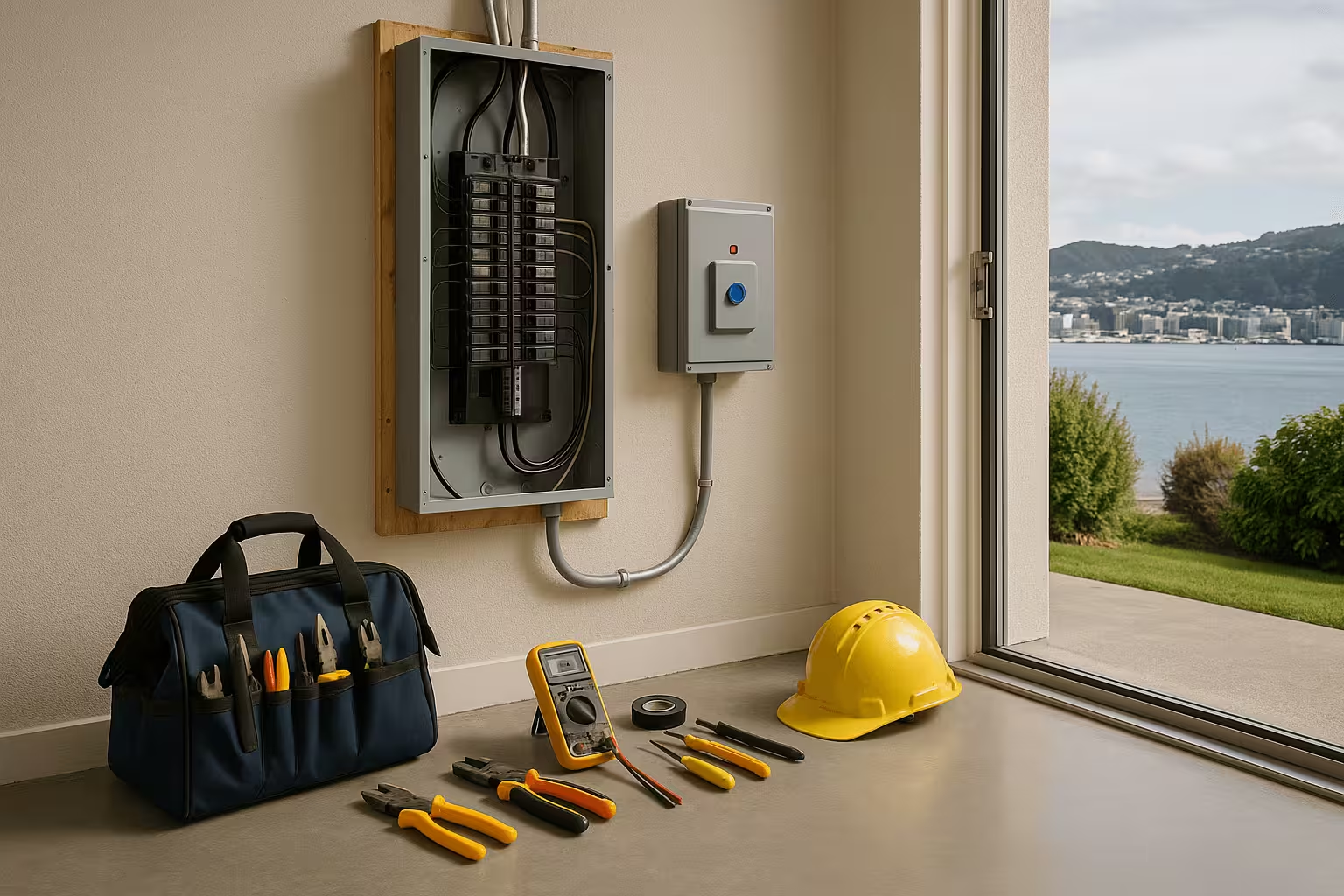
Understanding the intricacies of a whole house surge protector is essential for ensuring effective home safeguarding. This knowledge not only prepares you for better installation but also empowers you to make informed choices about your home\’s electrical safety. Surge protectors consist of key components designed to manage and mitigate the harmful effects of voltage spikes, keeping your electrical appliances and circuits well-protected. Let\’s delve into these pivotal elements and understand how they function cooperatively.
Metal Oxide Varistors (MOVs)
The heart of most surge protectors, Metal Oxide Varistors (MOVs), play a crucial role in diverting excessive voltage to the ground and away from connected devices. MOVs are composed of zinc oxide and other metal oxides, forming a nonlinear electrical resistor that responds to voltage spikes. When the normal voltage levels are exceeded, the resistance of the MOV decreases, allowing the excess current to bypass the connected appliances, thereby protecting them from damage.
Gas Discharge Tubes (GDTs)
Gas Discharge Tubes serve as an additional line of defence in surge protection, particularly in handling more significant surges. They contain inert gases enclosed in a sealed glass tube, and when a voltage spike occurs, the gas ionizes and creates a low-resistance path for the excess current to travel safely to the ground. GDTs are valued for their ability to manage high-energy surges, protecting sensitive devices from potential harm.
Circuit Breakers and Fuse Links
Circuit breakers and fuse links are integral to preventing electrical overload by stopping the flow of electricity at the first indication of excess current. They operate as switches that disconnect power when they detect a surge, thereby mitigating the risk of fire and equipment damage. Circuit breakers are resettable, allowing for reuse once the surge has been managed, whereas fuse links are sacrificial and require replacement after a single use.
Thermal Protection
Another significant component of surge protectors is the thermal protection mechanism, designed to respond to overheating due to prolonged electrical surges. This safety feature prevents damage by cutting off power when the thermal threshold is exceeded. It is crucial in safeguarding surge protectors themselves from being compromised, ensuring continuous protection for your home appliances.
By comprehending these components, homeowners in Wellington can appreciate the intricacies of their electrical setups and discuss options with Weka Electrical confidently. As we transition to the next section, it\’s important to grasp practical steps you can take to manage and maintain these devices effectively.
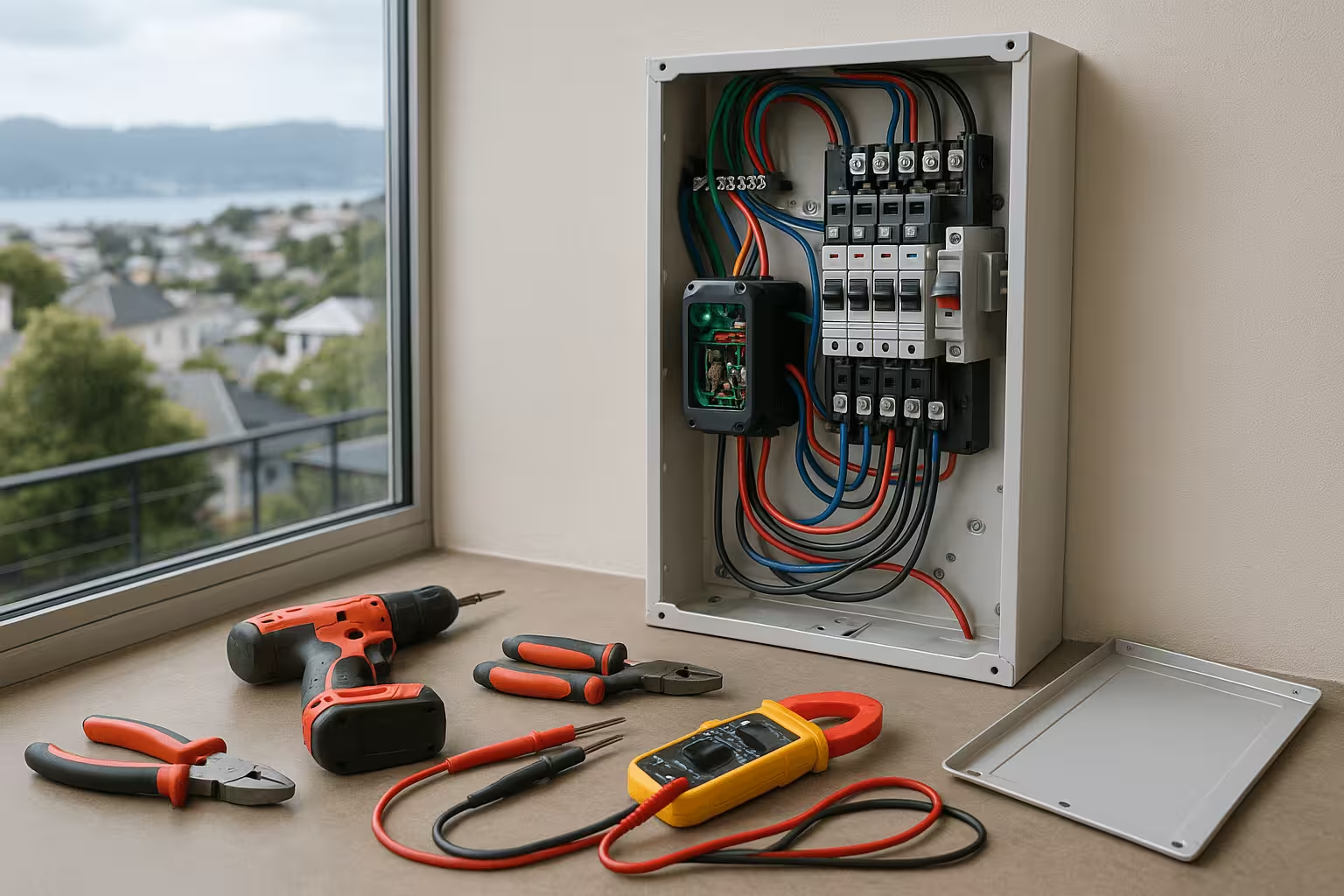
Practical Maintenance and Management of Surge Protectors
The last section delved into the key components of whole house surge protectors, highlighting how each element plays a crucial role in safeguarding your home from electrical surges. Building upon that foundation, this section focuses on the practical side of maintaining and managing your surge protector effectively to ensure its longevity and optimal performance.
Regular Inspections and Testing
Routine inspections are a critical part of maintaining your surge protector. These checks involve visually inspecting the device for signs of wear and tear or any damage that might compromise its functionality. It is recommended to hire a qualified electrician to perform these inspections every six months. During these inspections, testing the surge protector’s efficacy using specialized equipment can reassure its operational status. If you notice any frequent tripping of the surge protector, it could indicate underlying issues within your electrical system requiring professional attention.
Signs of Wear and When to Replace
Surge protectors, like any other electrical component, have a finite lifespan. It is crucial to recognize indicators suggesting the need for replacement. Discolouration, a burning smell, or a surge protector that frequently needs resetting are clear signs it might be time for a new unit. Typically, surge protectors are designed to handle a specific number of surges before their components degrade. Understanding the manufacturer’s guidelines and paying attention to warranty periods can aid in determining when replacement is necessary. Consulting with professionals, such as Weka Electrical in Wellington, can provide valuable guidance on the right time to upgrade your surge protection.
Optimizing Protection Levels
Tailoring the level of surge protection to your home’s needs ensures that your system is neither under-protected nor overburdened. This involves assessing the sensitivity of your home appliances and electronics and adjusting the protection levels accordingly. Different devices in your home, such as entertainment systems or refrigerators, may require varying levels of surge protection. Investing in high-quality surge protectors equipped with features like high joule ratings and response time indicators can maximize the system’s effectiveness. Regular updating and configuration checks of your surge protection system can help maintain its peak performance.
Best Practices for Safety and Performance
It is essential to observe best practices to maintain safety and performance when using whole house surge protectors. Keep your electrical components and surge protectors clean and free from dust accumulation, which can interfere with their performance. Ensure that your surge protector is not overloaded by plugging in too many devices, as this may lead to overheating. Familiarizing yourself with the technical specifications of your surge protection system enables better management and proactive handling of potential issues. Educating household members on proper usage further enhances the overall safety and utility of your surge protection system.
Understanding these maintenance and management practices not only extends the life of your surge protection equipment but also safeguards all electrical devices in your home. In the next section, we will explore why choosing the right service, such as those provided by Weka Electrical, can make all the difference in effectively installing a whole house surge protector and ensuring peace of mind.
Why Choose Weka Electrical for Whole House Surge Protector Installation
When it comes to ensuring the safety of your home’s electrical system, choosing the right professional for installing a whole house surge protector is crucial. Based in Wellington, Weka Electrical possesses the local expertise and trusted reputation necessary to protect your property from unpredictable surges effectively.
Experienced Local Experts
Weka Electrical boasts a team of seasoned electricians who are well-versed in the unique challenges presented by Wellington’s diverse electrical landscape. Their comprehensive knowledge ensures that your home receives bespoke solutions tailored to its specific needs. Each installation is handled with precision, reflecting their commitment to safety and quality. Our switchboard upgrade services ensure your electrical system can safely handle modern power demands.
As a key player in the Wellington electrician community, Weka Electrical understands the regional standards and regulations, making them an optimal partner for your surge protection needs. From consultation through to installation, their local experience shines in every project.
What Sets Us Apart
What truly differentiates Weka Electrical from other service providers is their dedication to client satisfaction and reliability. They pride themselves on offering transparent communication and timely responses, ensuring that clients are comfortable and informed throughout the entire process. Moreover, Weka Electrical is known for utilizing high-quality components and advanced installation techniques.
The assurance of safety, combined with their proficient workmanship, guarantees a robust surge protection system that guards your home against potential electrical threats. For those in search of reliable electrician services, Weka Electrical’s presence in Wellington is synonymous with excellence and peace of mind.
As you consider your options for safeguarding your home, Weka Electrical provides unparalleled service, ensuring that the installation meets your current needs while preparing you for future challenges. Transitioning now to Section 5, ‘Frequently Asked Questions,’ we will address some of the common queries about whole house surge protectors, providing clarity and confidence for your upcoming decisions.
Frequently Asked Questions
What is a whole house surge protector?
A whole house surge protector is a device installed in your home’s electrical panel to prevent voltage spikes from damaging your home’s electrical appliances and systems.
Do I need a professional to install a surge protector?
While it might be tempting to try a DIY approach, it is recommended to have a qualified electrician, like those at Weka Electrical, to ensure safe and effective installation.
How does a whole house surge protector work?
It works by redirecting excess voltage safely into the ground through its components, such as Metal Oxide Varistors (MOVs) and Gas Discharge Tubes (GDTs), protecting your home’s electrical circuits.
Will a surge protector protect my electronic devices?
Yes, installing a whole house surge protector helps safeguard your electronics from damage due to power surges by blocking or shorting excess voltage.
How long does a whole house surge protector last?
The lifespan of a whole house surge protector varies, but with regular maintenance, it can last anywhere from 2 to 5 years. Check regularly for any signs of wear.
Can I install a whole house surge protector in Wellington?
Absolutely, whole house surge protectors can be installed in Wellington. Local professionals like Weka Electrical can help with installation and advice.
What are the signs that my surge protector needs replacement?
Signs include frequent electrical issues, visible damage, or if it no longer indicates operational status. Regular inspections can prevent failures.
Are surge protectors worth the investment?
Yes, considering the high cost of electrical appliances, surge protectors offer a cost-effective way to avoid expensive repairs and replacements.