Solar Panels Wellington: The Complete 2026 Guide

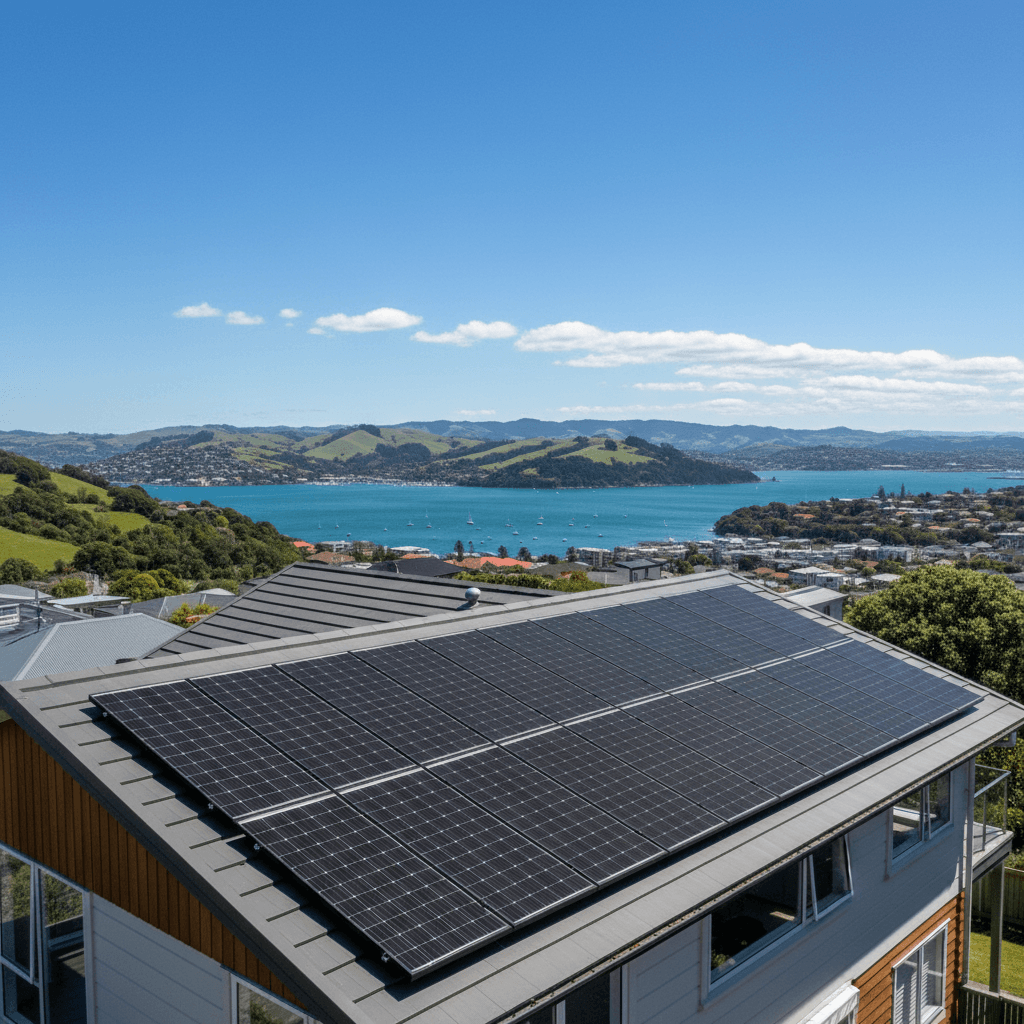
Solar panels installed on a Wellington home rooftop with harbour views

Quick Answer: A typical Wellington home solar system (6kW) costs $12,000–$18,000 installed and pays for itself in 6–9 years. Wellington’s high electricity prices (35–40c/kWh) mean faster payback than many other NZ regions, despite fewer peak sun hours.

If you’ve been thinking about solar panels for your Wellington home, you’re not alone. With power bills climbing year after year and solar technology getting more affordable, thousands of Wellington homeowners are making the switch. But how much does solar actually cost here? How much power will you realistically generate in our famously windy city? And is it worth the investment?

This guide covers everything you need to know about going solar in Wellington — from costs and payback periods to the best suburbs for solar generation and what the installation process actually looks like.

What’s in This Guide

How Much Do Solar Panels Cost in Wellington?

The cost of solar panels in Wellington depends on system size, panel quality, inverter type, and your roof setup. Here’s what you can expect to pay in 2026 for a fully installed system:

System Size Number of Panels Typical Cost (Installed) Best For
3kW 7–9 panels $7,000–$10,000 Small household / 1–2 people
5kW 12–14 panels $10,000–$14,000 Average household / 2–3 people
6kW 16–18 panels $12,000–$18,000 Typical 3–4 bedroom home
8kW 20–22 panels $15,000–$20,000 Larger home / EV charging
10kW 25–28 panels $18,000–$22,000 Large home / high consumption

For most Wellington homes — typically a 3 to 4 bedroom house using 7,000–8,000 kWh per year — a 6kW system with 16–18 panels is the sweet spot. It covers most of your daytime usage and provides a solid return on investment.

What Affects Your Solar Panel Cost in Wellington?

Panel quality: Budget panels start around $200–$300 each, while premium brands like SunPower, REC, or Longi cost $350–$500 per panel. Premium panels generate more power per square metre and come with 25-year performance warranties.

Inverter type: A string inverter is the most affordable option ($1,500–$3,000), while microinverters ($3,000–$5,000 for a 6kW system) optimise each panel individually — useful if you have partial shading on your roof.

Battery storage: Adding a battery (like the Tesla Powerwall 2 at $12,000–$16,000 installed) roughly doubles the system cost. Most Wellington homeowners start without a battery and add one later.

Wind-rated mounting systems: This is a Wellington-specific cost. Our high wind zones — especially exposed hilltop suburbs like Karori, Brooklyn, and Kelburn — require wind-rated mounting rails and additional roof fixings. This can add $500–$1,000 to your installation compared to a sheltered Auckland suburb. It’s a necessary investment to keep your panels secure in a southerly storm.

Roof type and access: Tile roofs, multi-storey homes, and steep pitches all add to installation time. A simple, single-storey corrugated iron roof is the most straightforward and cost-effective to work with.

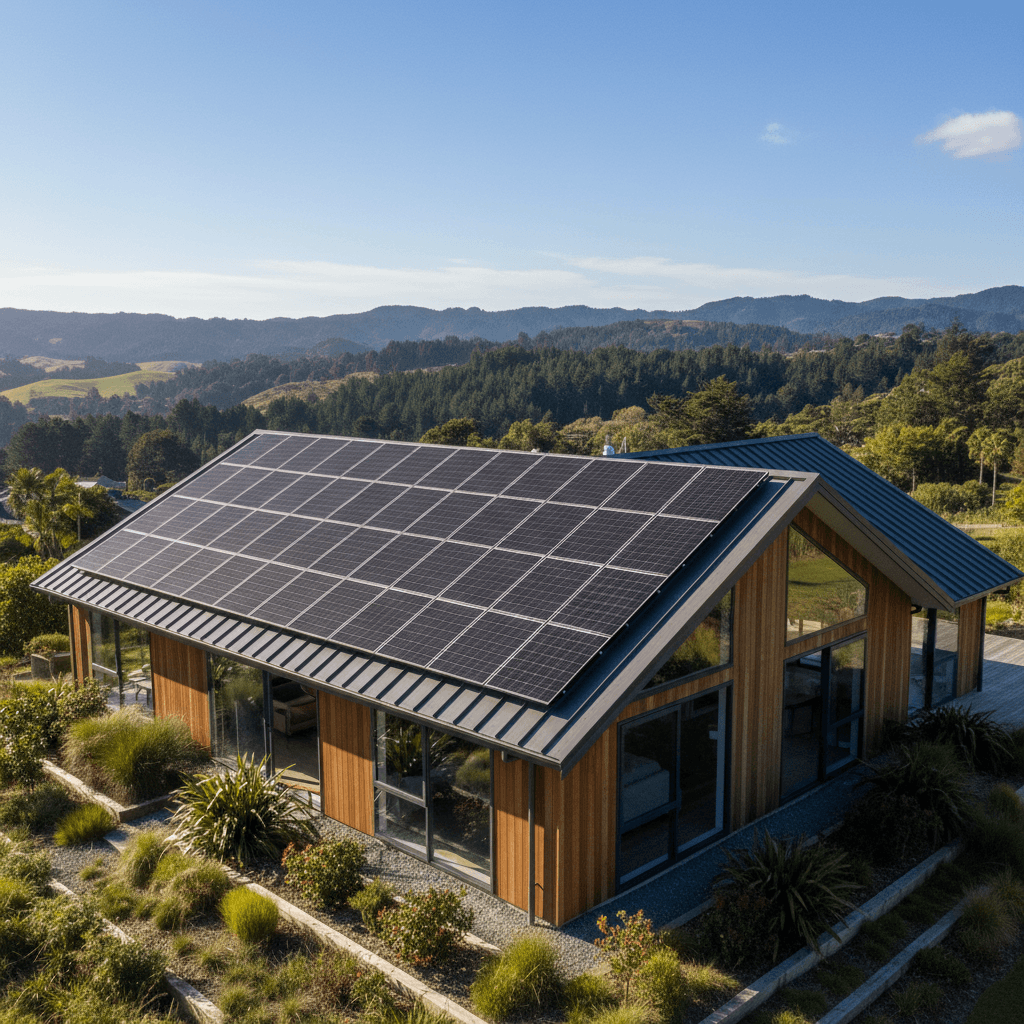
Solar panels on a typical Wellington residential weatherboard house

How Much Power Will Solar Panels Generate in Wellington?

Let’s address the elephant in the room: yes, Wellington is windier and cloudier than Auckland. But solar panels still work extremely well here. Here’s why.

Wellington Sun Hours

Wellington receives approximately 3.5–4.0 peak sun hours per day on an annual average. That’s less than Auckland’s 4.2–4.5 hours, but more than enough to make solar highly viable. Modern panels are designed to generate electricity from diffused light on overcast days — not just direct sunshine.

Realistic Output by System Size

System Size Daily Output (Average) Annual Output % of Typical Home Usage
3kW 10–12 kWh 3,800–4,200 kWh ~50%
5kW 17–20 kWh 6,300–7,000 kWh ~85%
6kW 20–24 kWh 7,500–8,400 kWh ~100%
8kW 27–32 kWh 10,000–11,200 kWh ~130%
10kW 34–40 kWh 12,500–14,000 kWh ~165%

These figures assume a north-facing roof with minimal shading. A northwest or northeast orientation will produce around 85–90% of these values, while an east or west-facing setup produces around 75–80%.

How Wellington Compares to Other NZ Cities

City Peak Sun Hours (Daily Avg) 6kW System Annual Output
Nelson / Blenheim 4.5–5.0 9,500–10,500 kWh
Auckland 4.2–4.5 8,800–9,500 kWh
Tauranga 4.3–4.6 9,000–9,800 kWh
Wellington 3.5–4.0 7,500–8,400 kWh
Christchurch 3.8–4.2 8,000–8,800 kWh
Dunedin 3.2–3.6 6,700–7,500 kWh

Wellington sits in the middle of the pack — not the sunniest, but far from the worst. And as you’ll see in the next section, Wellington’s higher electricity prices more than compensate for the slightly lower generation.

What About the Wind?

Wellington’s wind is actually a minor advantage for solar. Wind keeps panels cool, and cooler panels are more efficient. Solar panels lose efficiency in extreme heat (above 25°C cell temperature), so Wellington’s temperate, breezy climate helps maintain consistent output. The key is ensuring your mounting system is rated for high wind zones — which any experienced Wellington installer will specify as standard.

Solar Panel Payback Period in Wellington

Here’s where Wellington homeowners have a genuine advantage. Wellington electricity prices are among the highest in New Zealand, typically ranging from 35–40 cents per kWh. Higher power costs mean every kilowatt-hour your solar panels generate saves you more money.

Payback Calculation: 6kW System Example

Let’s walk through a real-world example for a typical Wellington home:

Factor Value
System cost (installed) $15,000
Annual generation 7,800 kWh
Self-consumption (70%) 5,460 kWh
Exported to grid (30%) 2,340 kWh
Savings from self-consumption (@ 37c/kWh) $2,020/year
Income from exports (@ 8c/kWh buy-back) $187/year
Total annual benefit $2,207/year
Simple payback period 6.8 years

With electricity prices rising 5–8% annually (the trend over the past decade), your actual payback is likely closer to 6 years. After that, your solar is generating free power for the remaining 20+ years of the system’s life. For a deeper breakdown of the financial return, read our guide on how long solar panels take to pay for themselves.

Self-Consumption vs Export: Maximising Your Return

The biggest factor in your payback period is self-consumption — using the solar power yourself rather than exporting it. Power you use directly saves you 35–40c per kWh, while exported power earns you only 7–12c per kWh from most retailers.

Tips to maximise self-consumption in Wellington:

  • Run appliances during the day — set your dishwasher, washing machine, and dryer to run between 10am and 3pm
  • Heat your hot water with solar — a solar diverter sends excess generation to your hot water cylinder
  • Charge your EV during the day — if you work from home or can charge at home during daylight hours
  • Consider a battery later — store daytime generation for evening use (best added once you understand your consumption patterns)

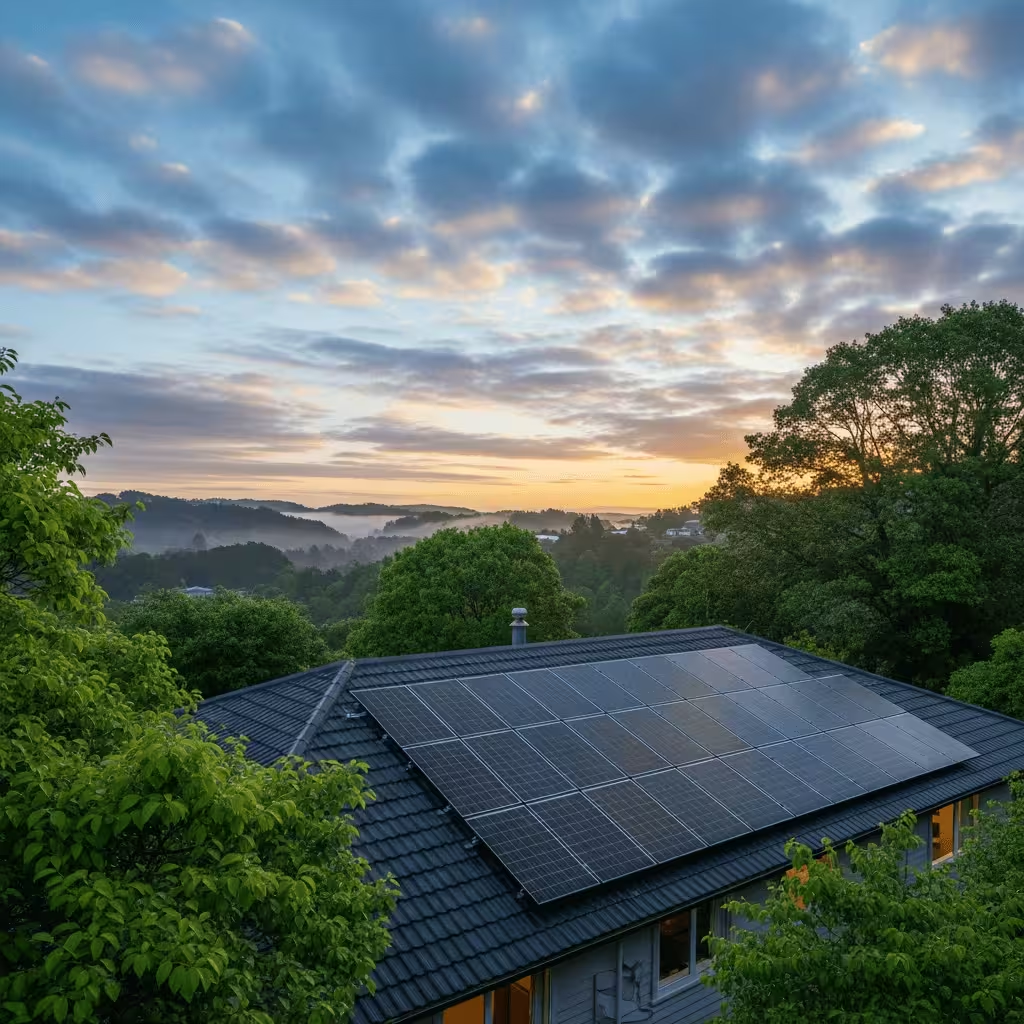
Electrician installing solar panels on a Wellington rooftop

Solar Installation Process in Wellington

Knowing what to expect during the solar installation process helps you plan ahead. Here’s the step-by-step process for getting solar panels installed on your Wellington home.

1. Site Assessment

A qualified installer visits your property to assess:

  • Roof condition — the roof needs to be in good condition with at least 15–20 years of life remaining
  • Roof orientation — north-facing is ideal, but northwest and northeast work well too
  • Shading — trees, neighbouring buildings, and chimneys that cast shadows reduce output
  • Structural integrity — your roof needs to support the weight of the panels (roughly 20kg per panel)
  • Wind exposure — Wellington-specific assessment to determine the correct wind-rated mounting system
  • Switchboard condition — older switchboards may need upgrading to accommodate solar

2. System Design and Quote

Based on the site assessment, your installer designs a system matched to your power usage, roof space, and budget. You’ll receive a detailed quote covering panels, inverter, mounting, electrical work, and any switchboard upgrades needed.

3. Building Consent

Good news for Wellington homeowners: since the October 2025 rule changes, most residential solar panel installations are consent-exempt. This means no building consent is required for standard residential rooftop solar, saving you $1,000–$2,000 and several weeks of waiting. There are exceptions for heritage buildings and some structural situations, which your installer will advise on.

4. Installation Day

A typical residential solar installation takes 1–2 days. The process involves:

  • Installing the mounting rails and roof brackets (with appropriate waterproofing)
  • Fitting the solar panels to the rails
  • Running DC cabling from the panels to the inverter location
  • Installing and wiring the inverter (usually near the switchboard)
  • Connecting to your switchboard and completing all electrical work
  • Installing a generation meter and monitoring system

5. Inspection and Compliance

All electrical work requires a Certificate of Compliance (COC) issued by a registered electrician. This confirms the installation meets NZ electrical safety standards.

6. Grid Connection

Your installer handles the application to your local lines company (Wellington Electricity for most of the region) to connect your solar system to the grid. This allows you to export surplus power and earn buy-back credits. The connection process typically takes 1–2 weeks after installation.

Best Areas for Solar in Wellington

Solar performance varies across the Wellington region depending on shelter from wind, sun exposure, and typical cloud patterns. Here’s how different areas stack up.

Lower Hutt and Upper Hutt — Excellent

The Hutt Valley is one of the best areas for solar panels in the Wellington region. The valley is more sheltered from coastal winds, gets good sun hours, and homes tend to have larger, simpler roof layouts. If you live in solar panels Lower Hutt or the wider Hutt Valley, you’re in an ideal position for solar generation.

Porirua — Very Good

Porirua offers a good balance of sun exposure and reasonable shelter. Suburbs like Whitby, Aotea, and Papakowhai are particularly well-suited with newer housing stock and good north-facing roof aspects.

Kapiti Coast — Excellent

Paraparaumu, Waikanae, and Raumati benefit from some of the best sun hours in the Wellington region. The Kapiti Coast is slightly warmer and sunnier than central Wellington, making it excellent for solar power generation.

Wellington CBD, Miramar, and Karori — Good (Varies)

Central Wellington suburbs are more variable. South-facing hillside homes in Brooklyn or Kelburn face challenges, but north-facing properties in Miramar, Roseneath, and Oriental Bay can perform very well. Karori is more sheltered than many expect and produces solid results with a north-facing roof.

Johnsonville and Tawa — Very Good

These northern suburbs benefit from being more sheltered than the exposed coastal areas. They typically get good sun hours and have a mix of housing that works well for solar installation.

Wherever you are in the Wellington region, a proper site assessment will determine your specific solar potential. Even in less ideal locations, modern panels are built to perform for 25–30 years and generate meaningful savings.

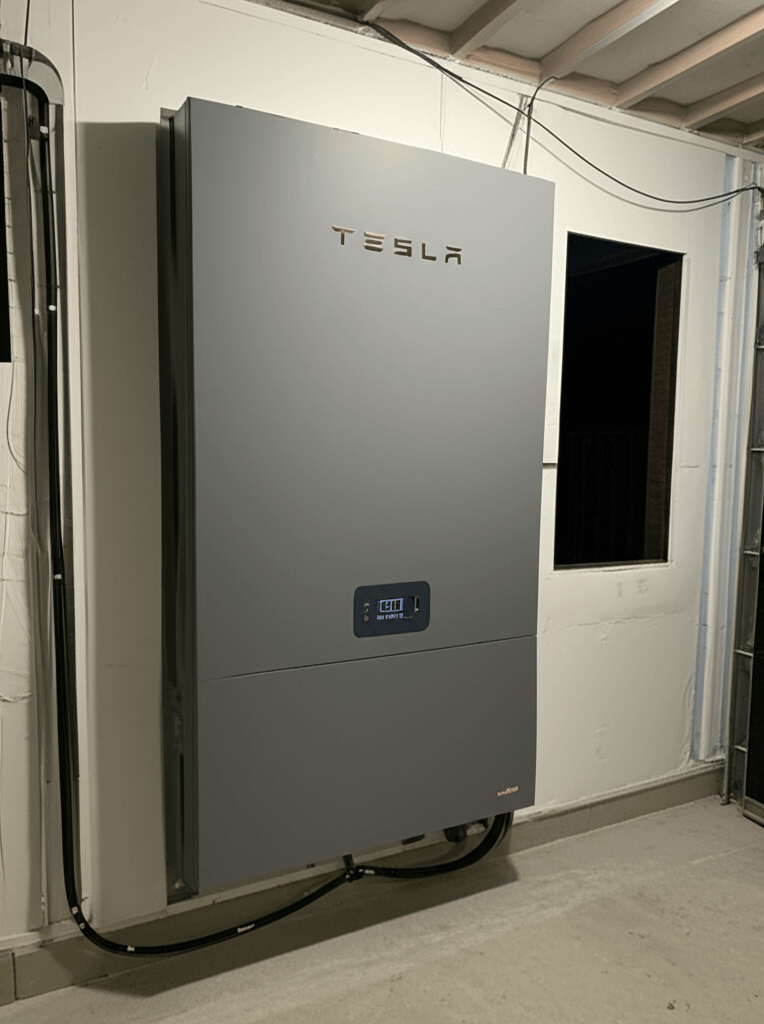
Solar power monitoring system and switchboard in a Wellington home

Why Choose Weka Electrical for Solar Panel Installation in Wellington

Installing solar panels is an electrical job — and it needs to be done right. At Weka Electrical, our solar panel installation in Wellington service covers everything from the initial site assessment through to grid connection and ongoing support.

Here’s what sets us apart:

  • Registered Master Electricians — We’re fully registered and certified. Every installation comes with a Certificate of Compliance and meets all NZ electrical safety standards.
  • Local Wellington team — We live and work in the Wellington region. We understand the wind zones, the council requirements, and the local lines company processes. No out-of-town installers unfamiliar with local conditions.
  • Complete electrical service — Solar installation often requires switchboard upgrades, new circuit breakers, or rewiring. We handle the full electrical scope in-house, so you don’t need a separate electrician.
  • Quality components — We use premium panels and inverters with proven track records and genuine manufacturer warranties. No cheap imports that won’t last.
  • Wind-rated installations — Every system we install uses mounting hardware rated for Wellington’s wind conditions. Your panels stay secure through every southerly.
  • Honest advice — If solar isn’t right for your property, we’ll tell you. We’d rather give you the right advice than sell a system that won’t deliver a good return.

GET A FREE SOLAR QUOTE

Frequently Asked Questions

Do solar panels work in Wellington’s cloudy weather?

Yes. Modern solar panels generate electricity from diffused light on overcast days, not just direct sunshine. You’ll produce less on a heavily overcast day than a clear one, but your panels are still working. Wellington’s annual average of 3.5–4.0 peak sun hours is more than enough for an excellent return on investment.

Will Wellington’s wind damage my solar panels?

Not if they’re installed correctly. Solar panels installed with wind-rated mounting systems are engineered to withstand wind speeds well beyond what Wellington typically experiences. The key is using a qualified installer who specifies the right mounting hardware for your specific wind zone. Panels are also relatively aerodynamic — they sit close to the roof surface, which minimises wind uplift.

Do I need a building consent for solar panels in Wellington?

In most cases, no. Since the October 2025 regulatory changes, standard residential rooftop solar panel installations are consent-exempt in New Zealand. Exceptions may apply for heritage-listed buildings or unusual structural situations. Your installer will confirm whether consent is needed during the site assessment.

How much can I earn from selling excess solar power back to the grid?

Most NZ electricity retailers offer buy-back rates of 7–12 cents per kWh for exported solar power. Some retailers offer higher rates through solar plans. However, the real savings come from self-consumption — using the power yourself at 35–40c/kWh is three to five times more valuable than exporting it. A good system design focuses on maximising the power you use directly.

What size solar system do I need for my Wellington home?

A typical 3–4 bedroom Wellington home uses 7,000–8,000 kWh per year. A 6kW system (16–18 panels) will cover roughly 100% of this on an annual basis. If you have an electric vehicle, a pool, or particularly high usage, an 8–10kW system may be more appropriate. We’ll recommend the right size based on your actual power bills during the site assessment.

Can I add a battery to my solar system later?

Absolutely. Many Wellington homeowners install solar panels first and add battery storage 2–3 years later when battery prices drop further. A hybrid inverter (installed from the start) makes adding a battery later straightforward and avoids the cost of replacing your inverter. We recommend this approach for most homeowners and can specify a battery-ready system from day one.

Related Articles

Leave a Comment

Your email address will not be published. Required fields are marked *

Scroll to Top