Energy-efficient LED lighting dramatically reduces electricity usage, lasting longer and cutting costs compared to traditional lighting solutions.
- Introduction
- Benefits of LED Lighting
- Practical Applications and Success Stories of LED Lighting
- Why Choose Weka Electrical for Energy-efficient LED lighting
- Frequently Asked Questions
- What is the lifespan of LED bulbs compared to traditional lighting?
- How do energy-efficient LED lighting bulbs help save on electricity bills?
- Are LED bulbs suitable for all types of light fixtures?
- Can LED lighting have an impact on the environment?
- What colour options are available with LED lighting?
- Is the light quality of LEDs similar to traditional bulbs?
- Do LEDs require special disposal methods?
- How quickly can switching to LEDs impact energy savings in a Wellington home?
Lighting plays a crucial role in modern energy management, with significant differences between energy-efficient LED lighting and traditional lighting techniques. Over recent years, LEDs have become a prominent choice for both residential and commercial lighting solutions, owing to their substantial energy savings and longevity. These efficient lighting options have proven advantageous for reducing electricity costs and environmental impact, particularly in Wellington, New Zealand, where businesses like Weka Electrical champion their use.
The Evolution of Lighting
The journey of lighting technology from incandescent to energy-efficient solutions reflects a shift towards more sustainable practices. Incandescent bulbs, once the standard, are being steadily replaced by LEDs due to the latter’s ability to save up to 85% of electricity, drastically lowering power bills. With the increased lifespan of LEDs—lasting 10 to 25 times longer than traditional bulbs—consumers and businesses alike benefit from reduced replacement costs and maintenance. These factors make LEDs a superior choice in terms of both performance and cost-effectiveness.
Environmental Impact and Savings
Switching to LED lighting has substantial environmental benefits. If entire households were to convert all their lighting to LEDs, it could potentially save up to 1,000 kWh per year per home. Furthermore, this change is pivotal in addressing larger environmental concerns, such as reduction in national emissions by tens of thousands of tonnes, showcasing how individual actions contribute to larger, positive ecological outcomes. This is why Weka Electrical is at the forefront of advocating for LED usage throughout Wellington, both for economic and environmental reasons.
Adopting LED Technology
The widespread adoption of LED technology is not merely a trend but a crucial step in achieving cost efficiency and sustainability in energy consumption. As electricity prices increase and the demand for environmentally friendly practices grows, LEDs present a robust solution. By investing in LEDs, consumers are not only reducing their electricity bills but also participating in a broader effort to cut energy costs and reduce environmental footprints. As an industry leader, Weka Electrical offers insights and services that facilitate this transition, making it accessible for everyone in Wellington.
Benefits of LED Lighting
LED lighting has revolutionised the way we illuminate our spaces, offering a multitude of advantages over traditional lighting solutions. Its adoption is driven by tangible benefits that span energy efficiency, cost savings, and environmental sustainability. As businesses like Weka Electrical in Wellington continue to endorse energy-efficient LED lighting, understanding these benefits becomes crucial for informed decision-making.
Energy Efficiency
One of the standout features of LED lighting is its remarkable energy efficiency. LED bulbs use at least 75% less energy than incandescent lighting, allowing for significant reductions in energy consumption. This is partly due to their ability to convert more electricity into visible light while generating less heat. Such efficiency not only delivers on cost-saving promises but also aligns with global energy reduction goals. The minimal energy wastage of LEDs starkly contrasts with the higher energy demands of traditional bulbs, making them a preferable choice for both residential and commercial applications.
Cost Savings
Although the initial purchase price of LED lighting might be higher than traditional options, the long-term cost savings are substantial. LEDs have a longer lifespan, often lasting up to 25 times longer than incandescent bulbs, which significantly reduces the frequency of replacements and associated maintenance costs. Moreover, the decreased energy usage results in lower electricity bills, offering a rapid return on investment. Over time, these savings can far exceed the upfront costs, providing financial relief especially for businesses looking to optimise operational expenses.
Environmental Impact
The environmental effects of LED lighting also contribute to its growing appeal. As they consume less electricity, they reduce the overall demand for energy, which in turn decreases greenhouse gas emissions from power plants. Furthermore, LEDs do not contain hazardous materials like mercury, unlike some traditional light sources, making them safer for disposal and less likely to contribute to environmental pollution. By integrating energy-efficient LED lighting, consumers and businesses alike can make significant contributions towards sustainability goals, supporting global initiatives to protect the climate.
Versatility and Design Flexibility
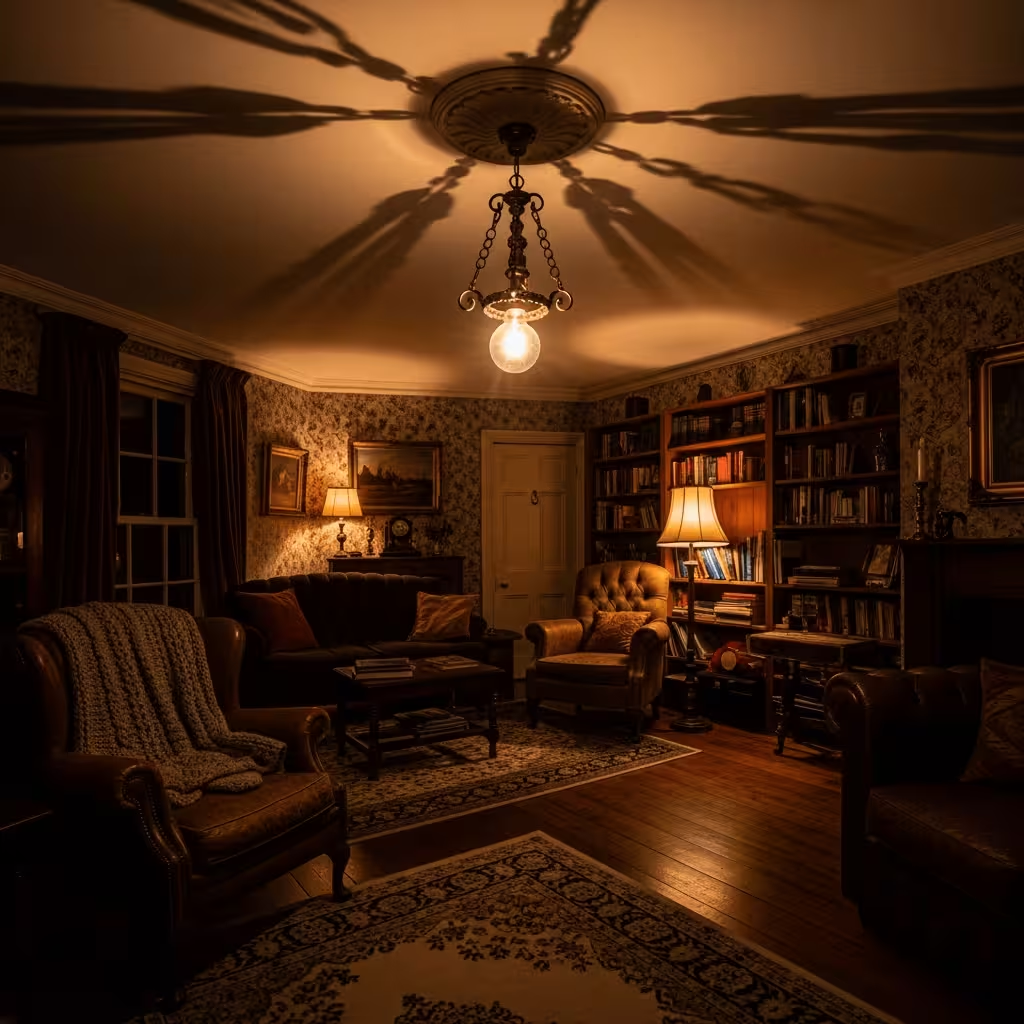
Another benefit of LED technology is its versatility and design flexibility. LEDs are available in an array of colours and can be easily dimmed, providing applications across diverse environments. This adaptability makes them suitable for a range of uses, from industrial settings to cosy residential ambiances, thanks to their technical features that facilitate creative lighting design. The compact size of LEDs allows for integration into smaller devices or architectural elements where traditional bulbs might not fit, enhancing their usability and aesthetic potential.
The features outlined highlight why energy-efficient LED lighting offers myriad advantages over traditional lighting solutions, enabling smarter energy use and cost efficiency. This comprehensive understanding lays the groundwork for exploring practical implementations and success stories in the next section.
Practical Applications and Success Stories of LED Lighting
While the benefits of LED lighting are evident in theory, real-world applications truly demonstrate its impact. Industries across various sectors have adopted LED lighting solutions, witnessing substantial energy savings and enhanced operational efficiency. This section explores how these applications are transforming spaces and shares success stories that illustrate the tangible benefits of switching to LED lighting.
In Industrial Settings
In manufacturing facilities, energy consumption is a primary concern due to continuous operations. Switching to LED lighting has proven effective in reducing energy costs significantly. A case study of a manufacturing plant in Lower Hutt, which installed LED fixtures, revealed a 60% reduction in energy expenses within the first year. This aligns with global trends where LEDs not only lower power bills but also extend operational life due to their durability. Such changes spur companies to reinvest savings into further improvements, promoting sustainable business practices across the board.
Commercial and Retail Environments
Retail environments have equally embraced LED lighting, mainly due to benefits such as improved lighting quality and energy efficiency, which enhance the customer experience. In downtown Wellington, a prominent shopping centre switched to LED lighting for its display areas, reporting a 50% decrease in utility costs alongside a noticeable improvement in product visibility. This shift to LEDs has also complemented corporate social responsibility initiatives, as these businesses aim to reduce their carbon footprint and appeal to environmentally conscious consumers.
Public and Residential Spaces
Community projects, such as street lighting upgrades, showcase LED’s influence on public spaces. In a Wellington suburb, replacing traditional streetlights with LEDs resulted in improved safety due to better lighting coverage and a 40% reduction in energy consumption. In residential applications, households that transition to LED bulbs enjoy a reduction in electricity bills and a longer lifespan for lighting solutions, requiring less frequent replacements. These changes not only enhance living conditions but also contribute to broader community energy conservation efforts.
From these insights, it is evident that LED lighting is a powerful tool for businesses and communities aiming to improve efficiency and sustainability. As the demand for energy-efficient solutions grows, entities like Weka Electrical stand ready to facilitate such transitions with unrivalled expertise and commitment to quality.
Why Choose Weka Electrical for Energy-efficient LED lighting
When it comes to choosing the right provider for energy-efficient LED lighting, Weka Electrical stands out as a top choice in Wellington. With an impressive local reputation and a dedicated team of professionals, we are committed to delivering high-quality LED solutions tailored to meet your unique needs. As a trusted partner, our experience and understanding of the local market ensure that every project not only meets but exceeds customers’ expectations, focusing on sustainability and efficiency.
Experienced Local Experts
Weka Electrical’s team comprises highly skilled electrical contractors who are deeply rooted in Wellington. This local expertise allows us to offer tailored solutions that align with the city’s specific requirements and regulations. Our professional Wellington electrician team ensures that all installations adhere to the highest safety and performance standards, guaranteeing both security and efficacy in every project. By leveraging our comprehensive understanding of local building codes and practices, we provide clients with peace of mind that the work will be done right the first time.
What Sets Us Apart
Our commitment to quality and innovation makes us a leading choice for energy-efficient LED installations. Unlike other providers, Weka Electrical offers a customer-focused approach, involving our clients at every stage of the process to ensure their requirements are both understood and met. We pride ourselves on our transparent communication and reliability, which have earned us the trust and loyalty of our clientele. Furthermore, our dedication to using only high-quality materials from reputable manufacturers ensures that your investment in LED lighting is protected and durable.
Choosing Weka Electrical means investing in exceptional service quality and unparalleled customer satisfaction. Our thorough, bespoke approach, combined with our innovative LED solutions, has proven effective for numerous satisfied clients across Wellington. To explore how we can assist you with your LED lighting needs, visit our website today and discover why we are the preferred choice for many.
Our next section, ‘Frequently Asked Questions’, will answer some of the most common queries about energy-efficient LED lighting, providing readers with further clarity and confidence in choosing the best lighting solutions for their needs.
Frequently Asked Questions
What is the lifespan of LED bulbs compared to traditional lighting?
LED bulbs can last between 10,000 to 50,000 hours, compared to traditional incandescent bulbs that generally last about 1,000 hours. This means LEDs often last 10 to 25 times longer.
How do energy-efficient LED lighting bulbs help save on electricity bills?
Energy-efficient LED lighting can reduce electricity use by up to 85%, which significantly decreases power bills. The initial investment in LEDs quickly pays for itself through these ongoing savings.
Are LED bulbs suitable for all types of light fixtures?
Yes, LED bulbs come in many shapes and sizes to fit most fixtures. It’s important to check compatibility, especially with dimmable fixtures, to ensure optimal performance.
Can LED lighting have an impact on the environment?
Absolutely, by using significantly less power and reducing greenhouse gas emissions, LEDs play a critical role in environmental protection. They are also free from toxic elements like mercury, commonly found in other types of bulbs.
What colour options are available with LED lighting?
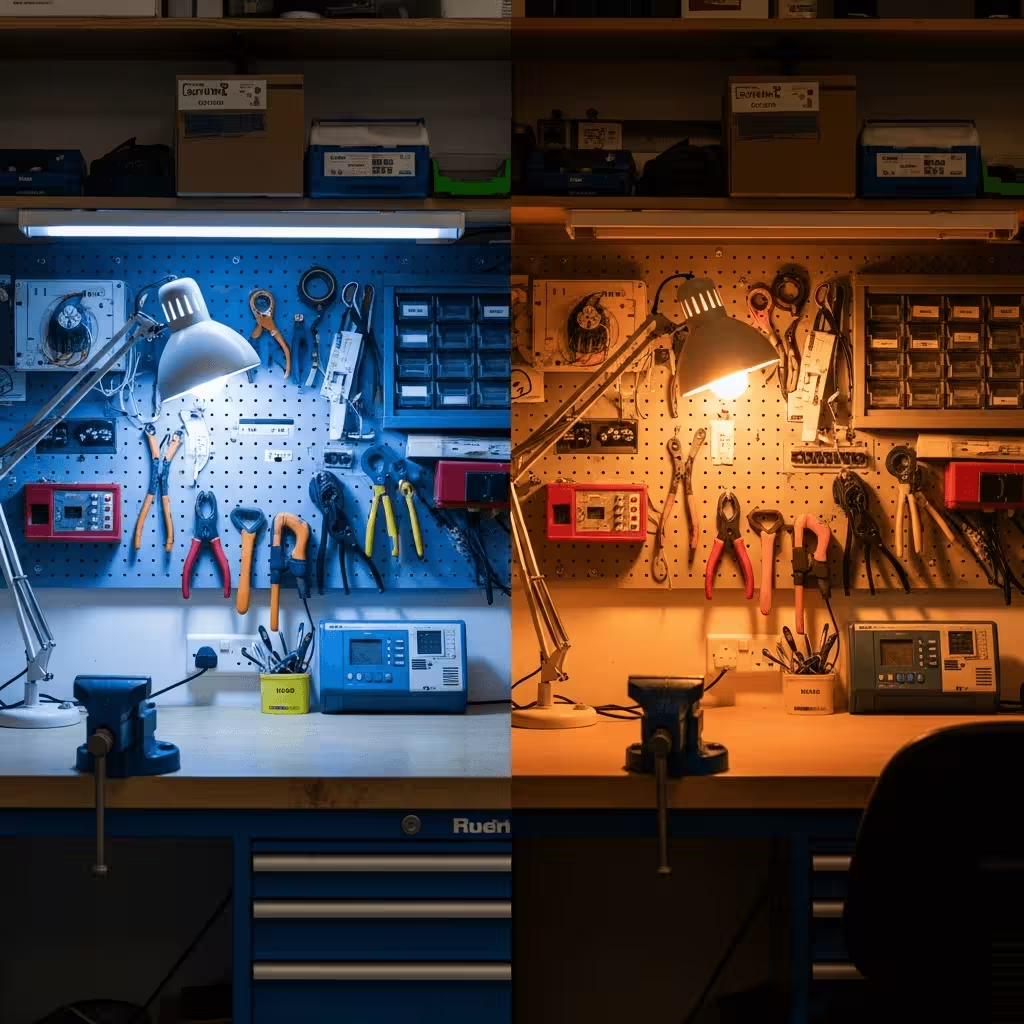
LED lights offer a wide range of colour temperatures, from warm whites that mimic the glow of traditional bulbs to cool whites for a more modern or bright feel, covering various preferences and needs.
Is the light quality of LEDs similar to traditional bulbs?
Yes, modern LED bulbs provide high-quality lighting that is comparable, if not superior, to traditional bulbs. They offer stable light output without flickering and are available in many colour temperatures.
Do LEDs require special disposal methods?
While LEDs are more environmentally friendly, they still contain materials that should be recycled properly. Many recycling facilities accept LEDs, so it’s best not to dispose of them in general waste.
How quickly can switching to LEDs impact energy savings in a Wellington home?
Households can notice energy savings almost immediately after switching to LEDs, as they consume significantly less power. Over time, these savings can contribute to annual reductions of up to 1,000 kWh.
Key Insights
Energy-efficient LED lighting offers substantial advantages for electricians in Wellington, with LEDs using up to 85% less energy than traditional incandescent or halogen bulbs and lasting 10-20 times longer. This results in significant energy savings for clients, lower power bills, and fewer maintenance or replacement needs, making LEDs an excellent choice for both residential and commercial projects. The adoption of LED lighting across homes in New Zealand also directly reduces carbon emissions, aligning with sustainability goals, and can save up to $75–$100 per lamp over its lifetime due to reduced electricity and replacement costs[5].
LEDs provide focused, directional lighting, improve safety by emitting less heat, and can further enhance a building’s insulation efficiency since select LED downlights are safe to insulate over. If every household in New Zealand switched to LEDs, it would cut tens of thousands of tonnes in greenhouse gas emissions annually, contributing to both national and local environmental targets[1].