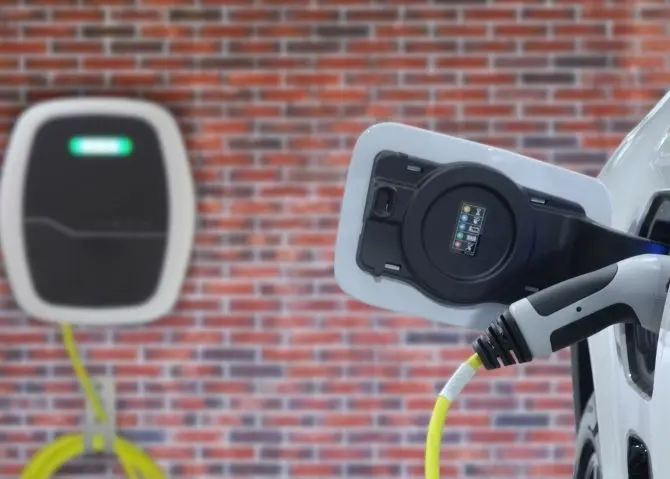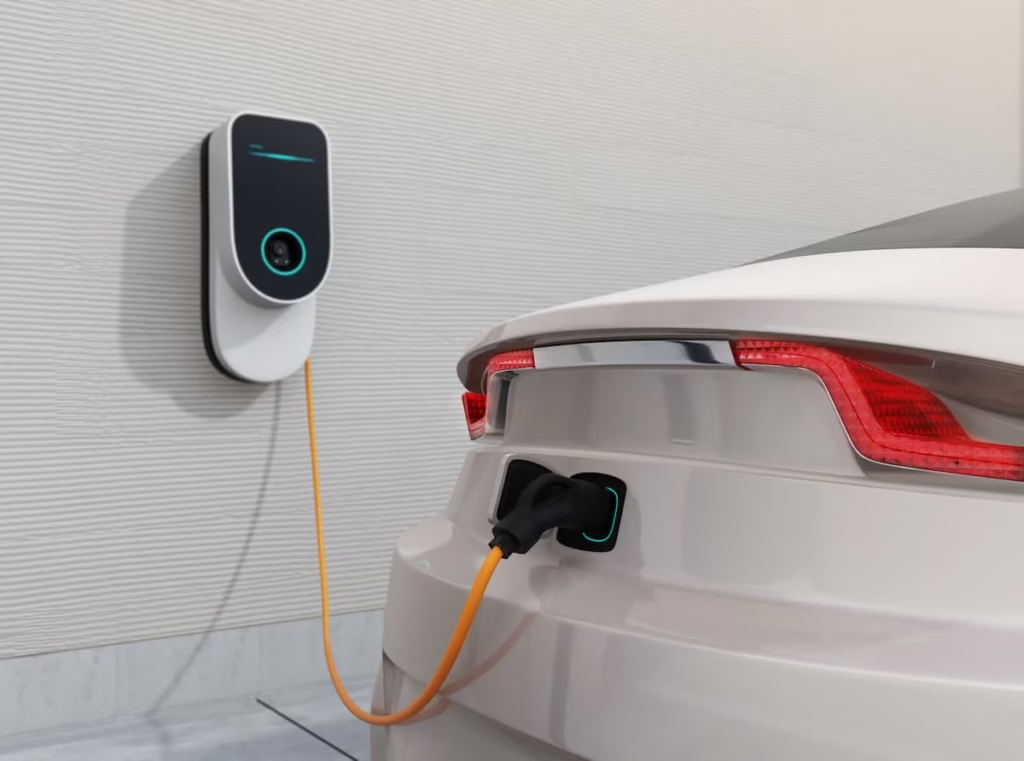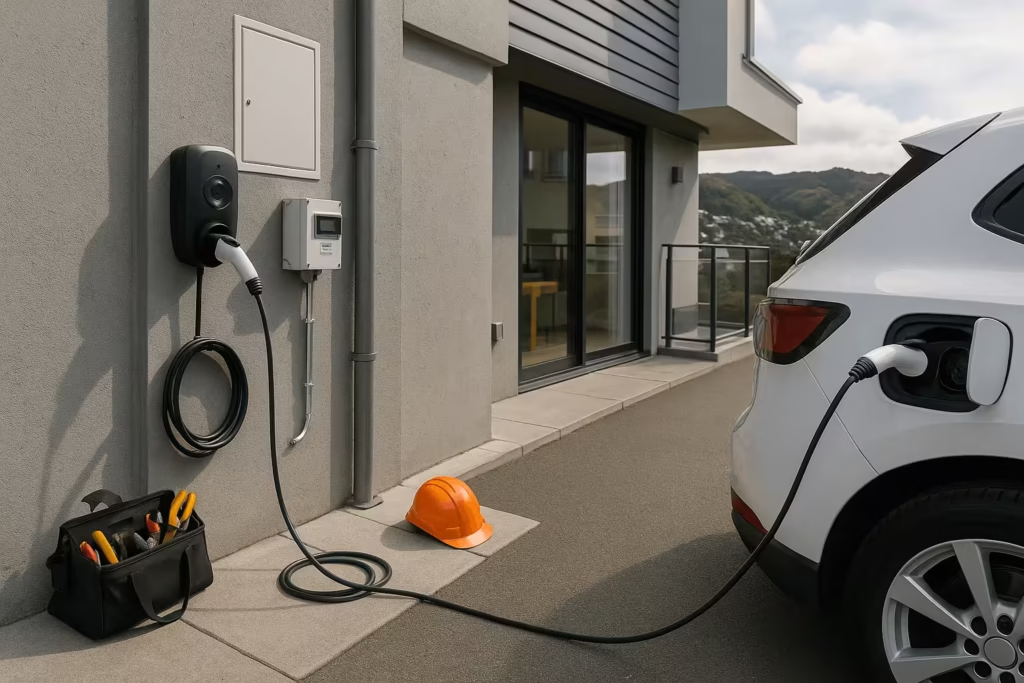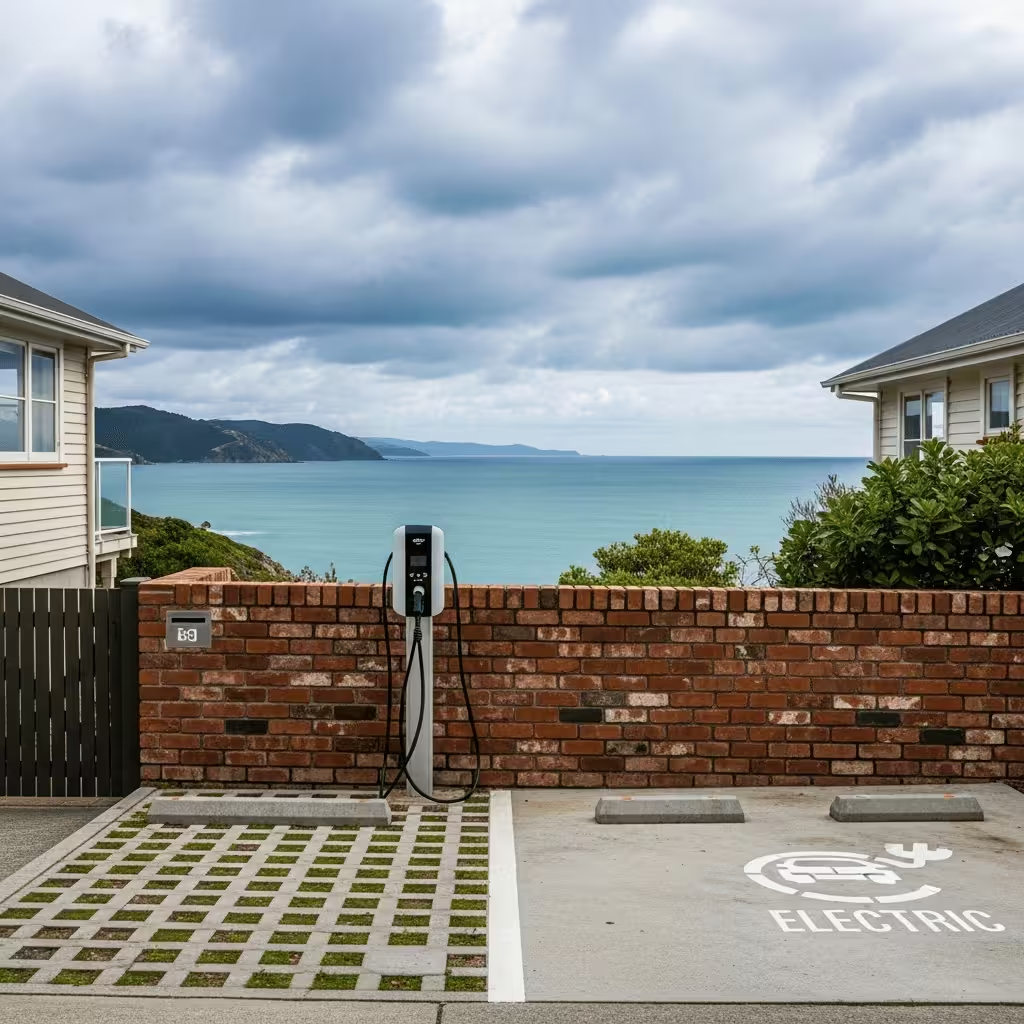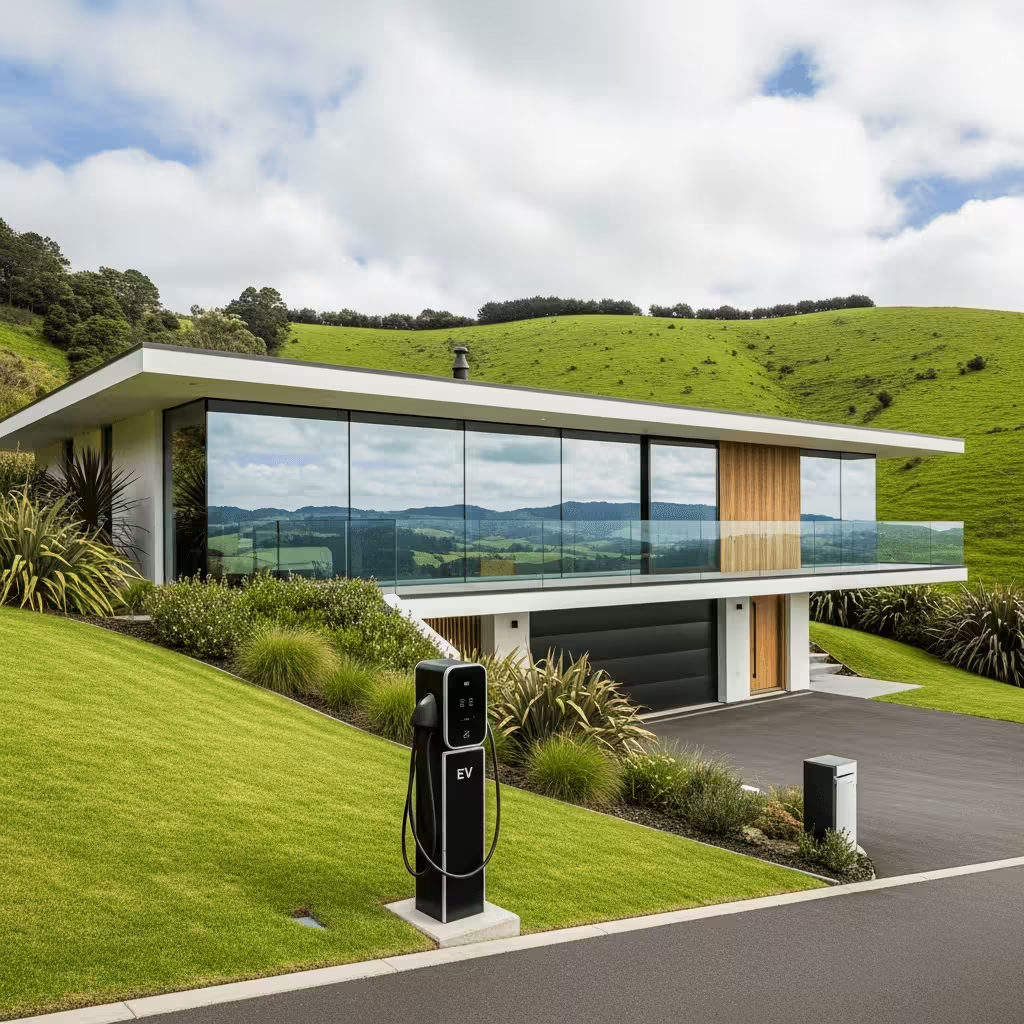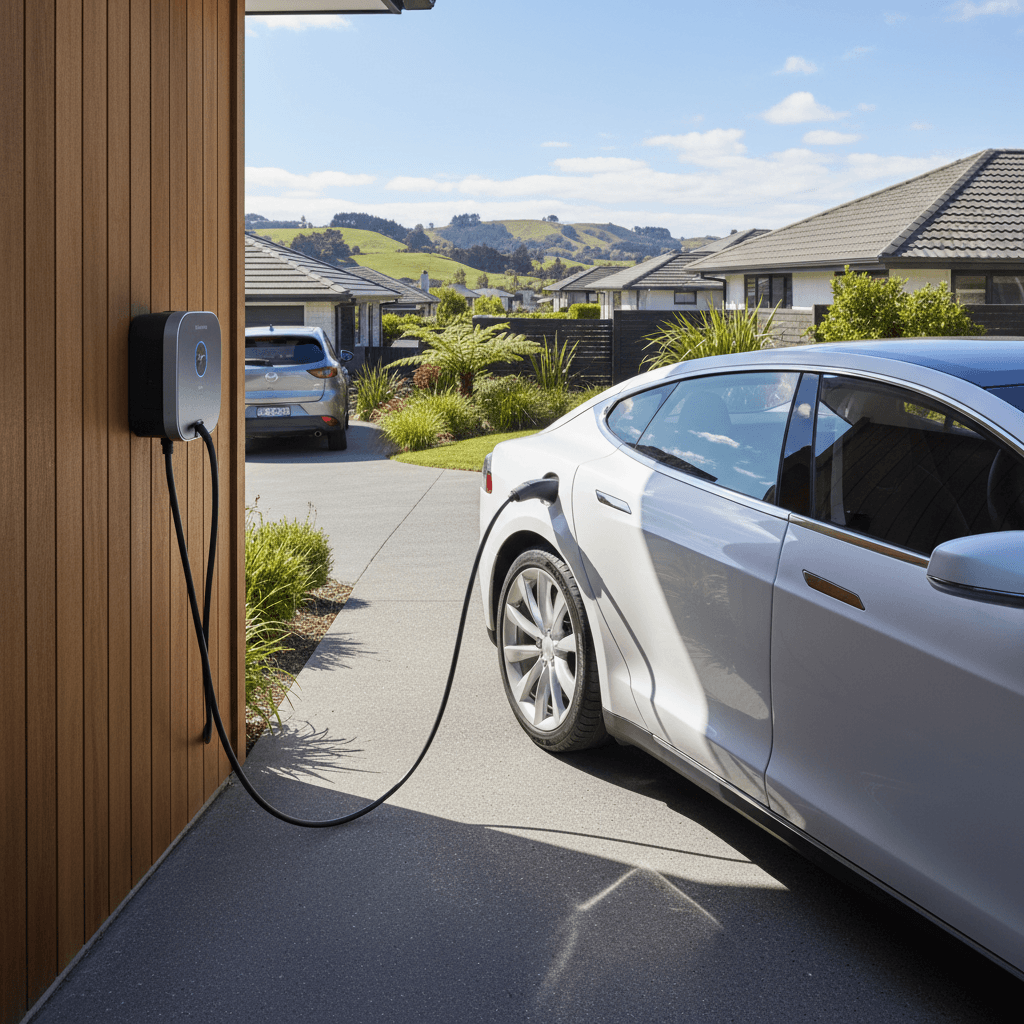
The implementation of workplace EV charging in Wellington is crucial for businesses aiming to enhance electric vehicle adoption and meet sustainability goals. By enabling employees to charge at work, companies can increase PHEV usage and contribute to the city’s growing climate initiatives.
- Introduction
- Implementing Workplace EV Charging Solutions
- Best Practices for Maintenance and Operation of EV Charging Stations
- Why Choose Weka Electrical for Workplace EV Charging in Wellington
- Frequently Asked Questions
- How can workplace EV charging benefit my business?
- What considerations should I keep in mind when installing EV charging stations?
- Is there government support available for workplace EV charging projects?
- How do we ensure the chargers are used correctly and efficiently?
- Can offering EV charging at the workplace really make a difference in EV adoption?
- What costs should I expect when setting up workplace EV charging stations?
- Are there specific regulations for workplace EV charging in Wellington?
- How can we future-proof our EV charging infrastructure?
As electric vehicles (EVs) become increasingly prevalent, the importance of integrating practical workplace EV charging solutions in Wellington has never been more apparent. Facilitating such a transition not only supports environmental goals but also aligns with New Zealand’s broader climate commitments. The uptake of EVs is directly linked to the availability of charging infrastructure, and workplaces play a pivotal role. Recent research indicates that in Wellington, providing workplace charging stations can significantly bolster the adoption of EVs, with reports demonstrating that up to 41% of PHEV users utilize workplace chargers regularly. Thus, installing these facilities is not merely a perk for employees—it becomes a strategic business decision.
Boosting EV Adoption Through Workplace Charging
The strategic placement of workplace EV charging stations in Wellington has been shown to boost the ownership of electric vehicles remarkably. Reports highlight that businesses can increase electric vehicle ownership rates up to 20 times by providing accessible charging options at work. This development is critical as Wellington continues to roll out public chargers, striving for comprehensive coverage across the city to support both residents and businesses in pursuing sustainable practices. Clearly, by integrating EV charging capabilities, companies can cement their role as leaders in sustainable business operations.
Wellington’s Sustainability Goals and Initiatives
Wellington is at the forefront of sustainable development with a robust plan to expand its public EV charging infrastructure. This initiative is part of a broader strategy to reduce emissions and support the national climate action agenda. By incorporating workplace EV charging stations, companies are not only contributing to these municipal goals but also taking advantage of the expanding infrastructure that aims to make EV charging as accessible as refueling traditional vehicles. Businesses such as Weka Electrical in Wellington can benefit from this expansion by becoming key players in advancing the city’s green transition, providing both a service to employees and a contribution to the environmental fabric of the urban landscape.
Benefits for Businesses in Wellington
Providing workplace EV charging stations offers businesses in Wellington multiple benefits that extend beyond environmental stewardship. Aside from enhancing employee satisfaction by offering a modern, innovative workplace amenity, companies can also improve their corporate image—demonstrating a commitment to sustainability. Moreover, these charging solutions can help businesses like Weka Electrical reduce their carbon footprint and reflect positively on their bottom line by attracting and retaining eco-conscious clients and employees.

Implementing Workplace EV Charging Solutions
The transition to workplace EV charging solutions in Wellington is not just a strategic move towards sustainability but also a critical operational enhancement that benefits businesses, employees, and the community. Leveraging these charging systems enhances your business’s appeal to environmentally-conscious employees and stakeholders, strengthens your brand image, and helps reduce overall parking demand as more commuters transition to electric vehicles. To successfully implement an EV charging infrastructure, companies must consider several key factors, from technology selection to logistical planning.
Choosing the Right Charging Technology
One of the first steps in setting up workplace EV charging is to select the appropriate charging technology. EV chargers are generally classified into three levels: Level 1 uses a standard electrical outlet and provides a slow charge, making it more suitable for small fleets or long-term parking; Level 2 offers a faster charge and is the most common solution for workplace settings; and Level 3, or DC fast chargers, provide the quickest charge available. While Levels 1 and 2 can cover most everyday needs, investing in a mix of Level 2 and some fast chargers may better accommodate diverse employee schedules and vehicle types. Moreover, consider smart chargers which enable energy management tools to monitor and control electricity consumption, optimize costs, and integrate with renewable energy sources.
Logistical Considerations
Beyond choosing the right technology, businesses need to address several logistical considerations. The number of charging stations required will depend on employee demand, which can be assessed through surveys or approximations based on the percentage of employees who drive and have access to EVs. Strategic placement of chargers is crucial for accessibility and convenience, often aligning them with existing parking structures or near employee entry points to enhance practicality and security. Additionally, accounting for future scalability is essential as the demand for EVs rises, ensuring that your infrastructure can be expanded with minimal disruption. Consideration of electrical capacity is also vital, requiring assessments to ensure the building’s existing electrical systems can handle the additional load or if upgrades are necessary. Partnering with an experienced provider like Weka Electrical can help navigate these complexities smoothly and efficiently.
Cost and Financing Options
Implementing workplace EV charging stations involves financial investment, but there are cost-effective ways to manage this expense. Government incentives and grants may be available in Wellington to promote EV adoption and can significantly offset initial costs. Additionally, businesses can explore partnerships with energy providers or charging networks that offer installation packages or leasing options, reducing upfront capital requirements. Understanding the potential return on investment is important too. Gains may include lower operational expenses via solar-integrated systems and increased employee satisfaction and retention, which can lead to enhanced productivity. By evaluating these aspects, businesses can create a financially viable plan for their EV charging strategy.
As businesses in Wellington continue to drive towards a more sustainable future, integrating workplace EV charging solutions stands as a pivotal step in aligning with broader environmental goals while simultaneously benefiting from operational advantages. Following a structured implementation plan will ensure businesses can adapt seamlessly to the growing presence of EVs, making the transition smooth and beneficial for all stakeholders.
Best Practices for Maintenance and Operation of EV Charging Stations
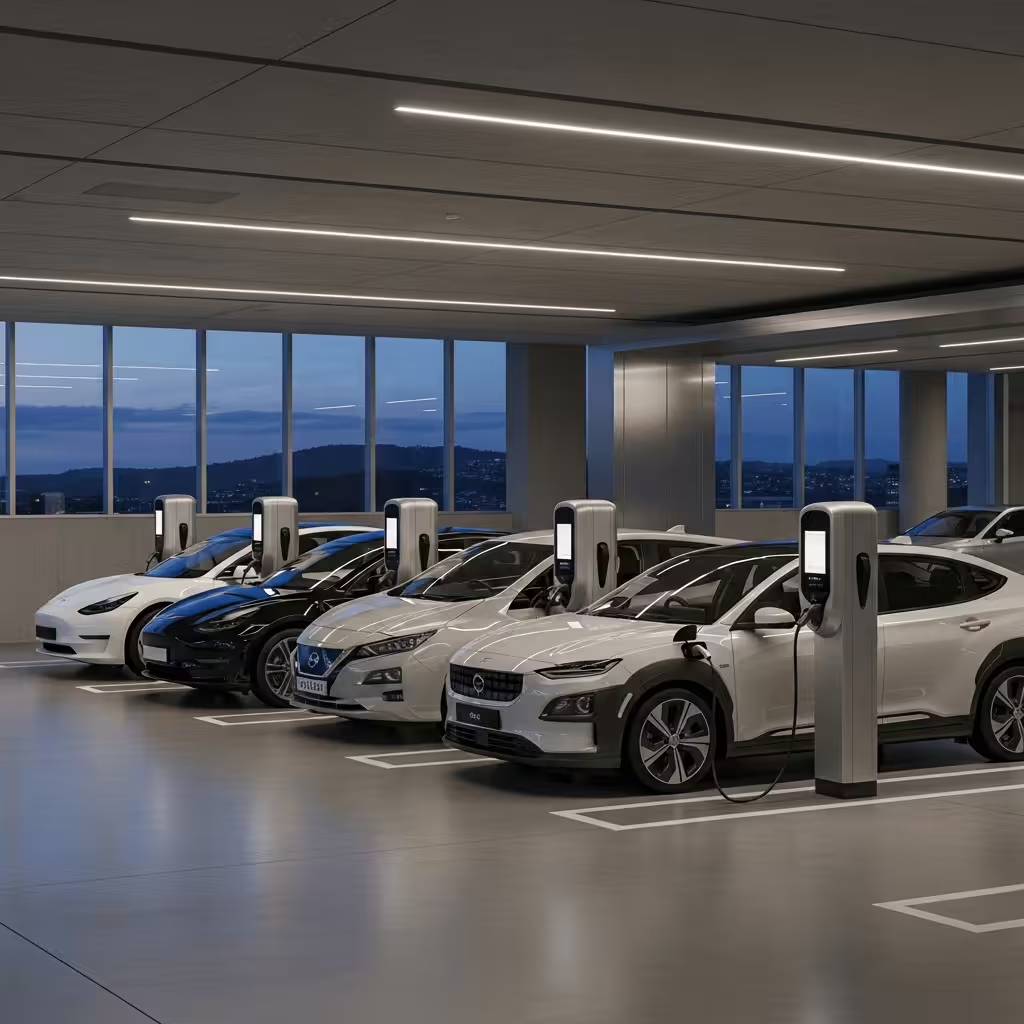
Ensuring the efficient operation and longevity of EV charging stations is crucial for businesses looking to support a growing fleet of electric vehicles. Effective maintenance and operation practices not only enhance the user experience but also safeguard the financial and environmental investments made by companies. In this section, we explore pragmatic strategies that businesses can adopt to maintain optimal functionality of charging infrastructure.
Regular Maintenance Strategies
Regular maintenance is key to preventing technical issues that can disrupt service. A maintenance schedule should be established that includes routine inspections to check for wear and tear and ensure all components are functioning as expected. Cleaning station exteriors and connectors regularly prevents dust and debris accumulation, which can interfere with electrical connections. Using qualified technicians, such as those from reputable local companies, ensures servicing is in line with safety standards. Additionally, integrating predictive maintenance technologies, like those used in smart EV chargers, allows businesses to preemptively address potential issues.
Optimizing EV Charging Networks
For businesses with multiple chargers, optimizing the network’s operation involves both strategic placement and smart software solutions. Efficiently placed chargers reduce bottlenecks and ensure equitable access for all employees. Software management systems track usage patterns, providing valuable data to inform when to scale up infrastructure or optimize energy use. Demand response programs can enable dynamic pricing models that incentivize off-peak charging, easing grid demand and lowering costs. Collaborating with utility companies can further enhance the network’s efficiency and sustainability.
User Engagement and Education
Educating employees on proper EV charging etiquette and station use contributes significantly to the smooth operation of workplace charging networks. Clear signage and user-friendly guides can be distributed to explain device features, reservation protocols, and troubleshooting tips. Hosting regular educational sessions empowers users to utilise the technology effectively, minimising misuse and encouraging responsible energy consumption. Feedback mechanisms, such as quick surveys or a digital suggestion box, can help address user concerns and foster continuous improvement.
Planning for Future Expansion
Future-proofing EV charging initiatives is an essential component of long-term operational success. As electric vehicle adoption rises, the demand for charging stations will increase. Businesses should anticipate these changes by planning for scalable infrastructure. This includes reserving physical space for additional units and investing in adaptable power solutions that can accommodate increased load. Assessing advancements in rapid charging technologies and renewable energy integrations presents opportunities for future upgrades, ensuring the network remains efficient and sustainable over time.
Employing these best practices not only maximises performance but also underscores a business’s commitment to sustainable initiatives. In the next section, we will explore why choosing Weka Electrical for implementing workplace EV charging Wellington is a smart decision for businesses, highlighting our expertise and comprehensive service offerings tailored to meet local business needs.
Why Choose Weka Electrical for Workplace EV Charging in Wellington
When it comes to reliable and innovative solutions for workplace EV charging in Wellington, Weka Electrical stands out as the top choice. Leveraging extensive industry experience and a strong local presence, Weka Electrical meets the city’s growing demand for sustainable energy solutions.
Experienced Local Experts
Weka Electrical’s team is comprised of highly skilled professionals deeply familiar with Wellington’s unique infrastructure and environmental considerations. Their understanding of the local market nuances ensures that each project is tailored precisely to fit the needs of Wellington businesses, making them an ideal partner for implementing efficient EV charging stations.
Their commitment to the community extends beyond just installation services. They assure businesses of quality, locally adapted solutions that support the city’s green initiatives.
What Sets Us Apart
Weka Electrical differentiates itself through its personalized approach and customer-centric service. Their comprehensive solutions encompass not just installation, but also include maintenance, upgrades, and ongoing support for EV charging stations. Such a model ensures seamless operation and maximum uptime, which is crucial for keeping pace with Wellington’s bustling business environment.
Furthermore, Weka Electrical is known for their transparent pricing, thus providing businesses with a clear understanding of costs upfront. With this approach, clients can trust that there are no hidden fees, guaranteeing value for money. Sunlight Electric is also recognized through a vast number of positive testimonials and success stories, solidifying its reputation as a reliable service provider.
Their comprehensive ev charger installation service for Wellington businesses and dedication to client satisfaction set them apart as the premier choice for workplace EV charging solutions.
The next section will delve into answering common queries, providing clarity and assurance to those considering workplace EV charging options.
Frequently Asked Questions
How can workplace EV charging benefit my business?
Implementing workplace EV charging can attract and retain environmentally conscious employees, reduce carbon footprint, and showcase your business’s commitment to sustainability. These benefits align your company with Wellington’s climate goals, potentially enhancing your brand image and competitive edge.
What considerations should I keep in mind when installing EV charging stations?
When planning to install EV charging stations, consider factors such as the number of charging units needed, available electrical capacity, installation costs, and potential future expansion. Engaging with a professional service like Weka Electrical can provide expert guidance tailored to your business’s needs.
Is there government support available for workplace EV charging projects?
Yes, various government incentives and grants exist for businesses looking to install EV charging stations. These support schemes can offset some of the initial costs, encouraging more enterprises to participate in the transition to sustainable transport.
How do we ensure the chargers are used correctly and efficiently?
Implementing a clear usage policy and providing employee training can ensure the proper and efficient use of EV chargers. Regular maintenance and monitoring tools can also help maintain optimal charger performance and address any issues promptly.
Can offering EV charging at the workplace really make a difference in EV adoption?
Absolutely. Research indicates that offering EV charging at workplaces significantly boosts EV adoption rates. In Wellington, providing workplace charging can increase ownership by up to 20 times, contributing to a more sustainable city environment.
What costs should I expect when setting up workplace EV charging stations?
Costs can vary widely based on factors such as site-specific requirements, the number of chargers, and the technology chosen. It’s advisable to obtain detailed quotes and explore financing options, which might include government support or incentives.
Are there specific regulations for workplace EV charging in Wellington?
While New Zealand does not have stringent regulations specifically for workplace EV charging, compliance with local electrical safety standards is required. Consulting with specialists like Weka Electrical ensures adherence to all relevant codes.
How can we future-proof our EV charging infrastructure?
Planning for future expansion is key. Installing scalable infrastructure, selecting adaptable technologies, and staying informed about advances in EV charging can help future-proof your investment. Collaborate with experts to develop a forward-thinking strategy.
Key Insights
Workplace EV charging in Wellington has seen increased investment and tailored solutions, with recent installations focusing on operational flexibility, cost efficiency, and strategic charger placement for businesses transitioning to electric vehicle fleets. Data-driven site assessments and ongoing management support are key trends, enhancing reliability for staff who rely on charging during breaks and shift changes. Charger infrastructure solutions are being integrated into broader public and private sector transition strategies to support measurable growth in EV adoption and decarbonisation[1].
Business case analysis highlights the importance of future-proofing energy decisions, optimising charger locations, and leveraging municipal capital budgets to accelerate EV uptake. Current infrastructure rollouts aim to ensure equitable coverage across Wellington, incorporating workplace charging needs and real usage patterns to deliver efficient, cost-effective service for companies preparing for evolving government policy and market conditions[2].
Recent credible data: workplace chargers tailored for Wellington’s operational needs enable business fleets to reliably electrify; strategic site selection and budgeted public rollouts are driving EV growth and sustainability[1][2].