Solar panels in New Zealand typically last between 25 to 30 years, offering a dependable energy solution for decades with minimal upkeep. Advanced models, such as those warrantied for up to 40 years, retain 87-90% efficiency near the end of their life span.
- Introduction
- Factors Affecting Solar Panel Lifespan
- Understanding Solar Panel Efficiency
- Why Choose Weka Electrical for Your Solar Needs
- Frequently Asked Questions
- How long do solar panels last in New Zealand?
- What factors affect the lifespan of solar panels?
- Do solar panels lose efficiency over time?
- How does Wellington’s climate affect solar panels?
- Are there warranties available for solar panels?
- What maintenance do solar panels require?
- Can solar panels withstand extreme weather conditions?
- How can I tell if my solar panels need replacement?
Solar energy has steadily gained traction as a sustainable and long-term solution for clean power generation in the Wellington Region of New Zealand. Understanding how long solar panels last is crucial for anyone considering this eco-friendly transition. Generally, solar panels in New Zealand have an expected lifespan of 25 to 30 years. However, advancements in technology have seen some leading models, backed by warranties, stretching up to 40 years.
Importance of Durability
The longevity of solar panels is a primary concern for potential buyers, as it directly relates to the return on investment. In regions like Wellington, where climatic conditions are conducive for solar energy, well-installed panels can maintain significant productivity over their anticipated life span. Warranties offered by manufacturers assure that by the end of their designated life, panels retain 87-90% of their initial efficiency, making them a reliable energy source over the long haul.
Impact of Climate on Solar Panel Longevity
The unique climate of the Wellington Region contributes positively to the durability and performance of solar panels. Mild temperatures and ample sunlight ensure that systems installed here by seasoned companies, such as Weka Electrical, operate efficiently with little maintenance required. Optimised for the local environment, these systems often exceed the typical 30-year lifespan, making a strong case for their adoption across homes and businesses in the area.
Continual innovation in solar technology means that newer panels not only feature longer lifespans but also incorporate advanced materials and designs that enhance their resilience. This is particularly beneficial in ensuring that solar energy remains a cost-effective and sustainable choice in the near future.
Economic and Environmental Benefits
Investing in solar panels is not merely about cutting down on electricity bills but also about contributing to environmental sustainability. Over their extended lifetimes, solar panels help reduce carbon footprints, supporting global green initiatives. The economic benefits, bolstered by the savings on energy costs and potential incentives for renewable energy installation, position solar panels as a financially sound investment for residents and businesses alike in New Zealand.
Given these advantages, the durability and effectiveness of solar panels continue to garner interest, compelling more homeowners to explore this renewable energy source. As Weka Electrical exemplifies, expert installation coupled with premium-quality panels ensures that solar systems operate optimally, offering decades of reliable service.
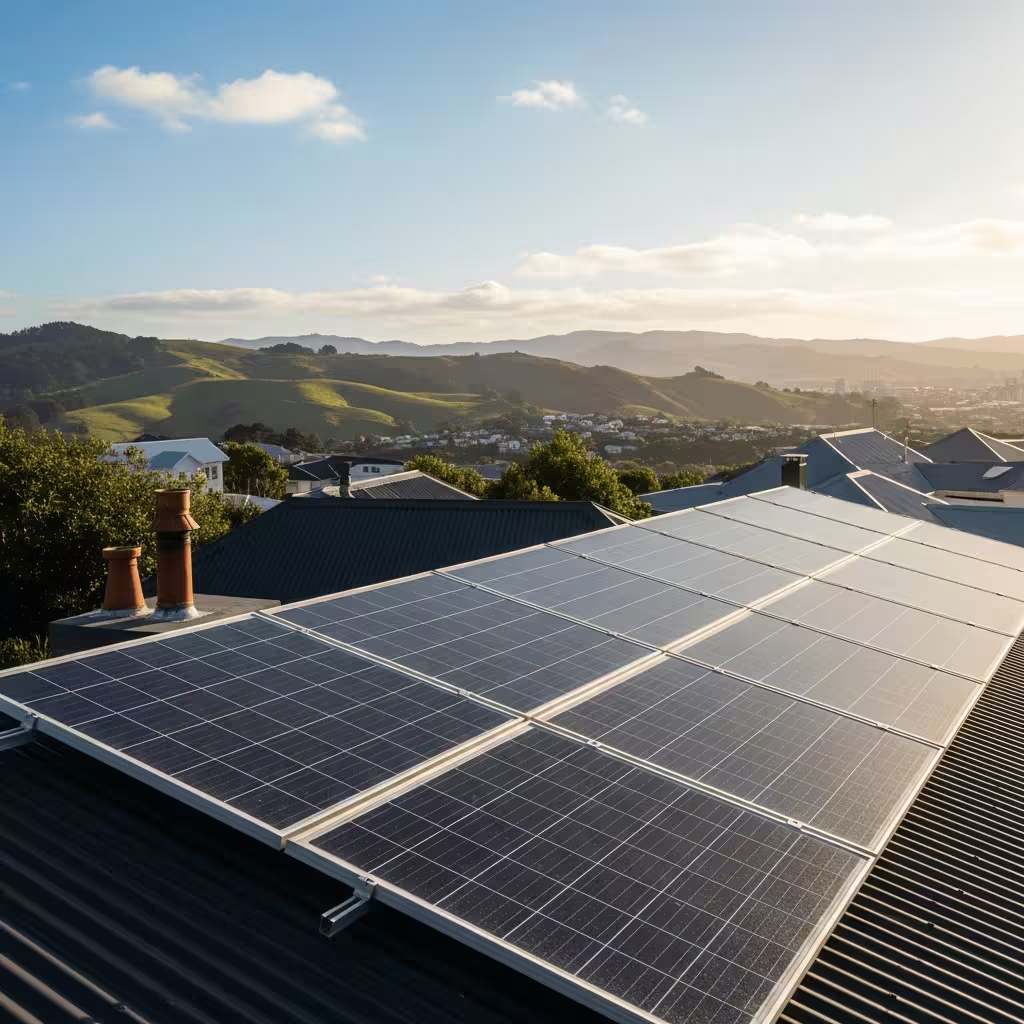
Factors Affecting Solar Panel Lifespan
Understanding how long solar panels last involves diving into the myriad of factors that influence their durability and efficiency over time. While technological advancements play a crucial role, it’s essential to consider the holistic environment in which these panels operate. Recognising these contributing aspects can help you optimise the lifespan of your solar investment.
Environmental Conditions
The geographical location of solar panels critically impacts their lifespan. In the Wellington Region, the weather conditions present unique challenges and advantages. Frequent winds and occasional storms necessitate robust installations to ensure that panels remain secure, while the temperate climate generally contributes to efficient energy production and extends the panel lifespan. Additionally, avoiding areas prone to heavy snowfall or prolonged periods of shading can prevent potential physical and operational stress on the system.
Component Quality and Performance
The quality of the materials used in the construction of solar panels is a decisive factor in determining their duration of efficiency. Panels manufactured using high-grade materials such as monocrystalline or polycrystalline silicon are typically more resilient to wear and tear. Inverters, junction boxes, and mounting equipment, which are fundamental components of a solar energy system, also significantly influence longevity. Regular inspections for damage or degradation can prevent small issues from escalating into significant faults.
Maintenance and Care
Consistent maintenance practices are paramount to sustaining the optimal performance of solar panels. Routine cleaning to remove debris and dirt ensures maximum sunlight absorption, whilst periodic inspections by professional electricians, such as those offered by Weka Electrical, are essential to identify potential problems early. An efficient maintenance schedule can extend the operational life of the system, thereby maximising your return on investment.
Understanding Solar Panel Efficiency
The efficiency of solar panels is a pivotal factor in determining their overall longevity and effectiveness. Efficiency refers to the panels’ ability to convert sunlight into electricity. High-efficiency panels generate more power even in lower light conditions, providing a reliable energy source over a longer period. This capability is particularly relevant in regions like the Wellington Region, where weather conditions can vary significantly throughout the year. Investing in high-efficiency panels can thus maximise the return on investment by ensuring substantial energy output despite atmospheric fluctuations.
Optimising Efficiency Through Technology
Technological advancements have radically enhanced the efficiency of modern solar panels. Cutting-edge materials such as monocrystalline and polycrystalline silicon have elevated energy conversion rates. Monocrystalline panels typically offer higher efficiency due to their uniform structure, which facilitates smoother electron flow, thus boosting power output. Additionally, innovations like bifacial modules, which capture sunlight on both sides of the panel, have contributed to increased efficiency. These technologies enable solar users to harness more energy throughout the day, making them an ideal choice for Wellington’s diverse weather patterns.
Maintenance and Its Impact on Efficiency
Regular maintenance is critical for sustaining solar panel efficiency over time. Dust, debris, and shade can adversely affect a panel’s ability to generate electricity. In New Zealand’s conditions, which include both coastal influences and a mix of sunny and cloudy days, keeping panels clean ensures unobstructed exposure to sunlight. Professional cleaning services or DIY methods using non-abrasive materials can effectively remove accumulations without damaging the sensitive surface of the panels. Furthermore, monitoring systems can assist in promptly identifying and addressing any efficiency losses, thereby maintaining optimal operational performance.
Strategic Placement to Enhance Efficiency
The geographical placement and orientation of solar panels are crucial in optimising efficiency. Panels should typically face true north in the Southern Hemisphere to capture the maximum amount of sunlight. Adjusting the tilt of panels to match the specific latitude of the installation site can also improve efficiency. In Wellington, installers must consider the prevalent wind conditions to ensure panels are securely mounted. Such strategic placements not only enhance solar absorption but also protect the structural integrity of the installation against environmental stressors.
Why Choose Weka Electrical for Your Solar Needs
Choosing a reliable service provider for solar panels is essential in ensuring their longevity and efficiency. Weka Electrical stands out as a premier choice for addressing your solar needs in the Wellington Region, New Zealand. With a commitment to quality and customer satisfaction, Weka Electrical sets the benchmark in the industry.
Experienced Local Experts
Based in the Wellington Region, Weka Electrical boasts a team of seasoned professionals acquainted with the local climate and geographical nuances that influence solar panel performance. This local expertise ensures that their solutions are tailor-made to maximise energy efficiency and durability specific to New Zealand’s unique weather patterns. As expert electricians in the Wellington Region, New Zealand, they deliver bespoke services that adapt to both urban and rural settings, ensuring that your installations meet the highest standards.
What Sets Us Apart
What makes Weka Electrical truly unique is their dedication to innovation and client-centered service. They keep abreast of the latest advancements in solar technology to offer cutting-edge solutions that not only extend the lifespan of your solar panels but also enhance their efficiency. This proactive approach is complemented by their exceptional customer service and transparent business practices, which have earned them a reputation for reliability and professionalism.
An additional factor that enhances their appeal is their comprehensive guide to how long solar panels take to pay for themselves. This invaluable resource demonstrates their commitment to educating clients and helping them make informed decisions. For those considering a venture into renewable energy, check out the solar panel installation service page. This offers a snapshot of all available support, ensuring seamless project execution from start to finish.
Up next, we will tackle Section 5, “Frequently Asked Questions”, where we aim to clarify common queries about how long solar panels last. This FAQ section will provide additional clarity and boost your confidence in making a well-informed decision regarding your solar investments.
Frequently Asked Questions
How long do solar panels last in New Zealand?
Most solar panels in New Zealand are designed to last between 25 and 30 years, with high-end models now warrantied for up to 40 years. They often continue to produce around 87–90% of their original output even towards the end of this period.
What factors affect the lifespan of solar panels?
The lifespan of solar panels can be influenced by several factors including environmental conditions, the quality of installation, and the materials used in manufacturing. Regular maintenance and cleaning also play a critical role in longevity.
Do solar panels lose efficiency over time?
Yes, solar panels do experience a slight reduction in efficiency over time. However, with advancements in technology and proper maintenance, this loss is minimal, allowing panels to operate at a high efficiency for many years.
How does Wellington’s climate affect solar panels?
Wellington’s climate, with its moderate temperatures and sunlight levels, is conducive to maintaining the efficiency and prolonging the lifespan of solar panels. High-quality installations can perform effectively in this region for over three decades.
Are there warranties available for solar panels?
Yes, most solar panels come with warranties that cover 25 to 30 years. High-end solar panels may offer warranties extending up to 40 years, providing assurance of their durability and efficiency over time.
What maintenance do solar panels require?
Solar panels require minimal maintenance, mainly periodic cleaning to remove dust and debris. It’s also recommended to have a professional inspection every few years to ensure everything is functioning optimally.
Can solar panels withstand extreme weather conditions?
Solar panels are designed to endure extreme weather conditions, including high winds and heavy rain. It’s essential, however, that they are installed correctly to ensure their resilience and longevity.
How can I tell if my solar panels need replacement?
If your energy bills start to increase unexpectedly or your solar panels show visible damage or significant efficiency loss, it might be time to consider a replacement. Professional assessments are advised to determine their condition accurately.
Key Insights
Solar panels in New Zealand typically last 25-40 years, with high-quality models like SunPower Maxeon offering 40-year warranties guaranteeing at least 88% efficiency after that period, while large-scale projects like the Ruakākā Solar Farm are designed for a 35-year lifespan followed by recycling.[2][1]
Proper installation by Wellington-region electricians and minimal maintenance ensure panels perform near maximum output for decades, with gradual efficiency decline thereafter; inverters may need replacement within 10-15 years.[2]