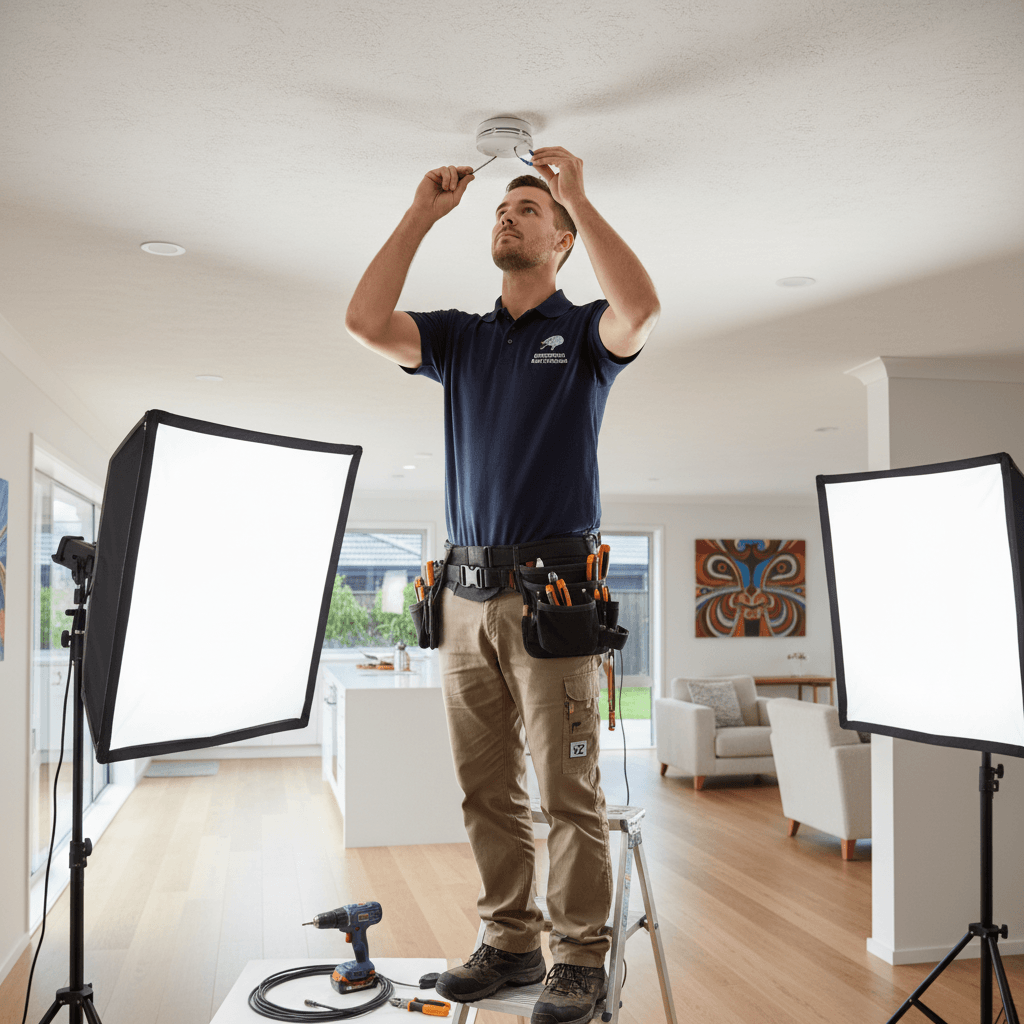
Quick Answer: Bathroom extractor fan installation in New Zealand typically costs between $300 and $800 fully installed by a registered electrician. All bathroom electrical work must be carried out by a licensed professional to comply with NZ regulations, and proper ventilation is essential to prevent moisture damage and mould growth.
What’s in This Guide
- Why Your Bathroom Needs an Extractor Fan
- Types of Bathroom Extractor Fans
- Bathroom Extractor Fan Installation Cost NZ
- NZ Regulations for Bathroom Electrical Work
- How to Choose the Right Extractor Fan
- Why Choose Weka Electrical
- Frequently Asked Questions
Why Your Bathroom Needs an Extractor Fan
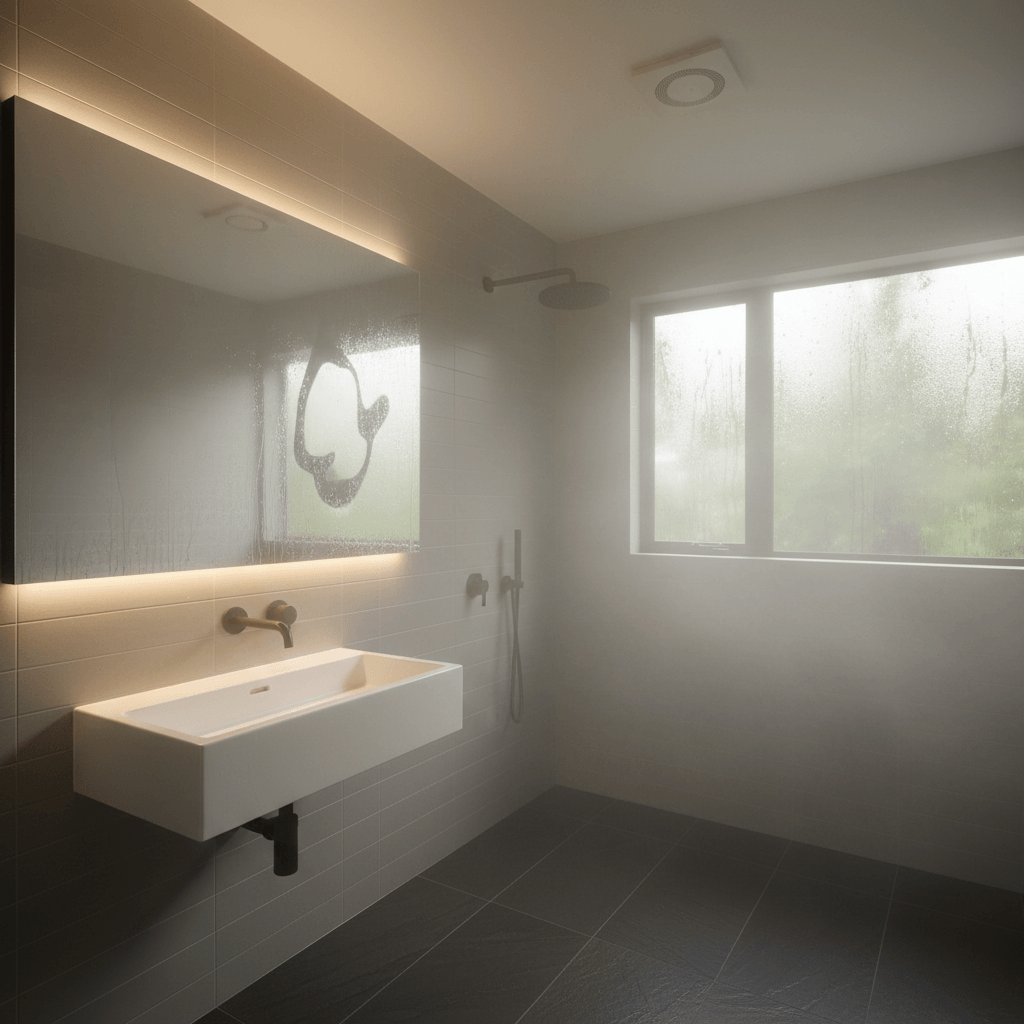
Every hot shower sends litres of moisture into the air. Without proper bathroom ventilation installation, that moisture settles on walls, ceilings, and window frames, creating the perfect conditions for mould, mildew, and structural damage. In New Zealand’s damp climate, this is a serious concern for homeowners across the Wellington region.
Here is why installing an extractor fan matters:
- Prevents mould and mildew: Mould spores thrive in damp, poorly ventilated spaces. Mould not only damages paint and grout, it can cause respiratory issues, especially for children and those with asthma.
- Protects your home’s structure: Persistent moisture rots timber framing, damages plasterboard, and corrodes metal fixtures. Repairs from moisture damage can cost thousands of dollars.
- Meets NZ Building Code requirements: Clause G4 (Ventilation) of the New Zealand Building Code requires that habitable spaces, including bathrooms, have adequate ventilation. A mechanical extractor fan is the most reliable way to achieve this.
- Healthy Homes Standards compliance: Under the Healthy Homes Standards, rental properties must have functioning extractor fans in bathrooms (or an openable window). Landlords who fail to comply face penalties. Even if you own your home, meeting these standards protects your family’s health.
- Eliminates foggy mirrors and lingering odours: A properly sized extractor fan clears steam in minutes, keeping your bathroom fresh and functional.
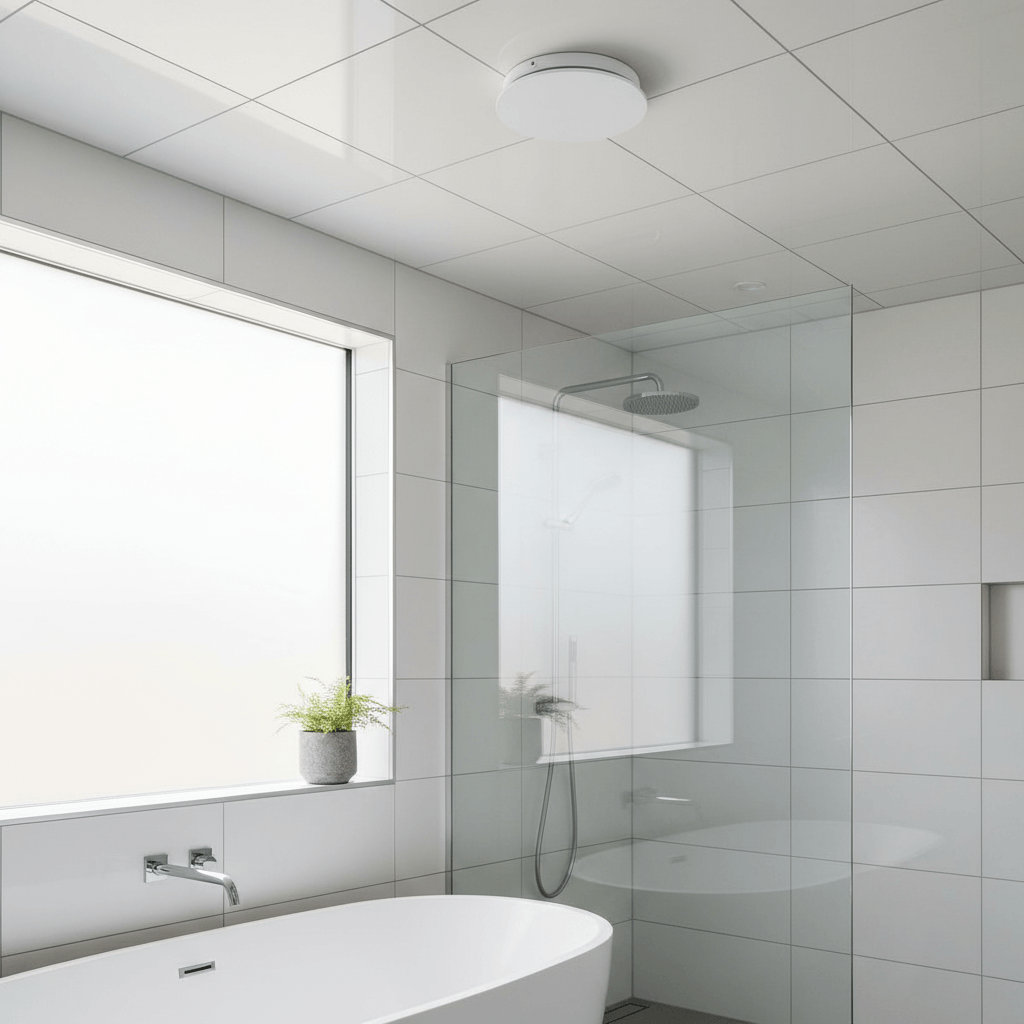
If your bathroom has peeling paint, black spots on the ceiling, or windows that are constantly dripping with condensation, a bathroom exhaust fan installation should be a top priority.
Types of Bathroom Extractor Fans
Choosing the right type of bathroom extractor fan depends on your bathroom layout, ceiling space, and budget. Here is a breakdown of the most common options available in New Zealand.
Ceiling Mounted Extractor Fans
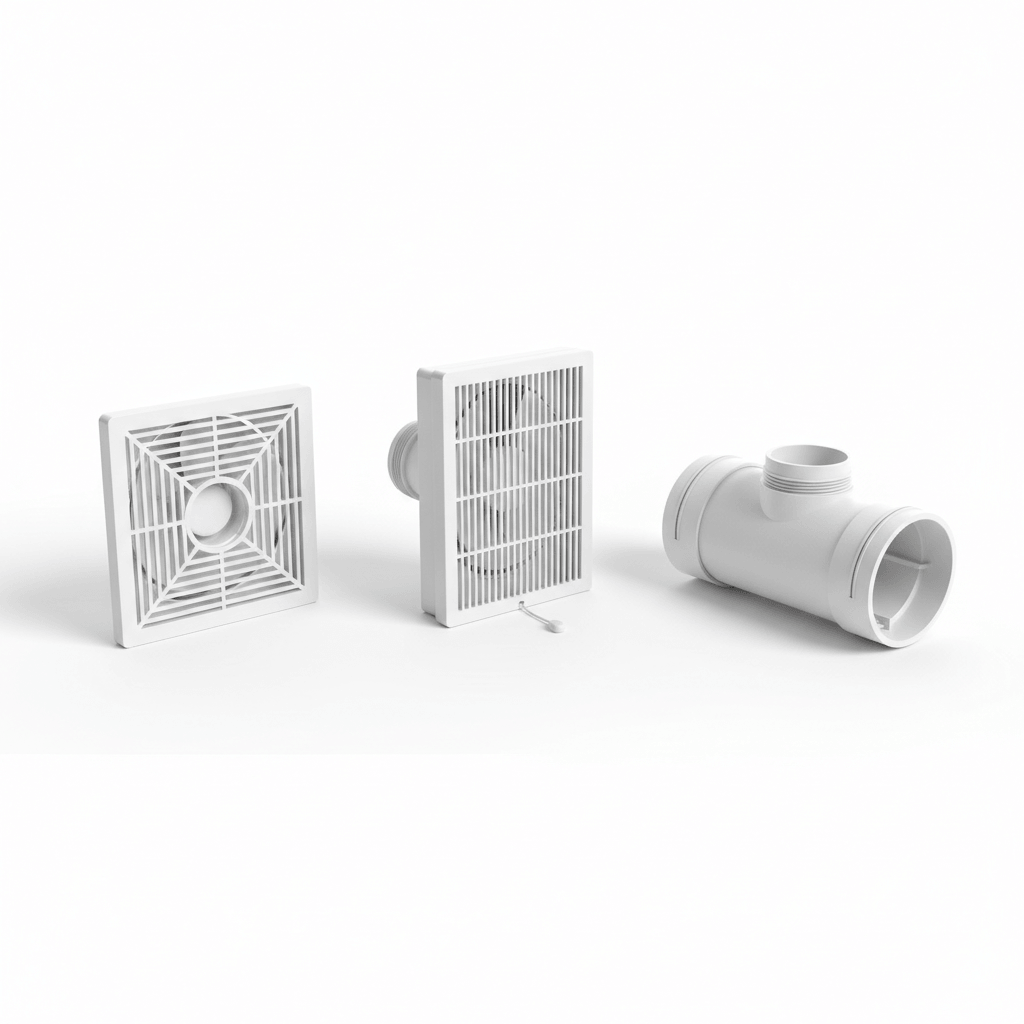
The most popular choice for bathroom ceiling fan installation. These fans sit flush in the ceiling and duct moisture out through the roof space. They are ideal for standard bathrooms with accessible ceiling cavities and work well in both new builds and renovations.
Wall Mounted Extractor Fans
Installed directly into an exterior wall, these fans are a practical solution when ceiling ducting is not possible. They are commonly used in older Wellington homes where roof access is limited. Wall mounted fans tend to be the most affordable option.
Inline Extractor Fans
Inline fans are mounted inside the ceiling cavity or ducting, away from the bathroom itself. This makes them significantly quieter than ceiling or wall mounted models. They are a great choice for master ensuites or situations where noise is a concern.
Fans with Humidity Sensors
These smart fans detect rising moisture levels and switch on automatically. They turn off once humidity drops to a safe level. This is the most energy-efficient option and ensures your bathroom is always protected, even if you forget to flick the switch.
Fans with Timers
Timer fans run for a set period after you switch them off (usually 10 to 20 minutes). This ensures enough moisture is extracted after a shower without wasting energy by running all day.
Bathroom Extractor Fan Comparison
| Fan Type | Best For | Noise Level | Price Range (NZ) | Key Feature |
|---|---|---|---|---|
| Ceiling Mounted | Standard bathrooms | Moderate | $80 – $250 | Most common, easy to install |
| Wall Mounted | Older homes, no ceiling access | Moderate to Loud | $60 – $200 | No ducting required |
| Inline | Ensuites, noise-sensitive areas | Quiet | $150 – $400 | Mounted away from bathroom |
| Humidity Sensor | Set-and-forget efficiency | Varies | $150 – $350 | Auto on/off with moisture |
| Timer Fan | Everyday family bathrooms | Varies | $100 – $280 | Runs after switch-off |
Bathroom Extractor Fan Installation Cost NZ
The total cost to install an extractor fan in a New Zealand bathroom depends on several factors. Here is what you can expect to budget.
Typical Price Ranges
| Installation Type | Cost Range (NZ) | Includes |
|---|---|---|
| Basic replacement (like-for-like) | $300 – $450 | Fan unit + labour, existing wiring |
| New ceiling fan installation | $400 – $650 | Fan + new wiring + ducting + roof vent |
| Inline fan with ducting | $550 – $800 | Inline unit + extended ducting + labour |
| Fan with humidity sensor or timer | $450 – $750 | Smart fan unit + wiring + installation |
Factors That Affect Price
- Existing wiring: If your bathroom already has wiring for a fan, a replacement is cheaper. New installations require running cables from the switchboard.
- Ducting requirements: Longer duct runs or difficult roof spaces add labour time and materials. Ideally, ducting should be as short and straight as possible.
- Fan type and brand: A basic ceiling fan costs around $80, while a premium inline unit with a humidity sensor can be $350 or more.
- Accessibility: Single-storey homes with accessible ceiling spaces are straightforward. Multi-storey homes, concrete ceilings, or tight roof cavities increase installation complexity.
- Switching options: Connecting to the existing light switch is cheapest. Adding a separate switch or timer adds to the cost.
DIY vs Registered Electrician
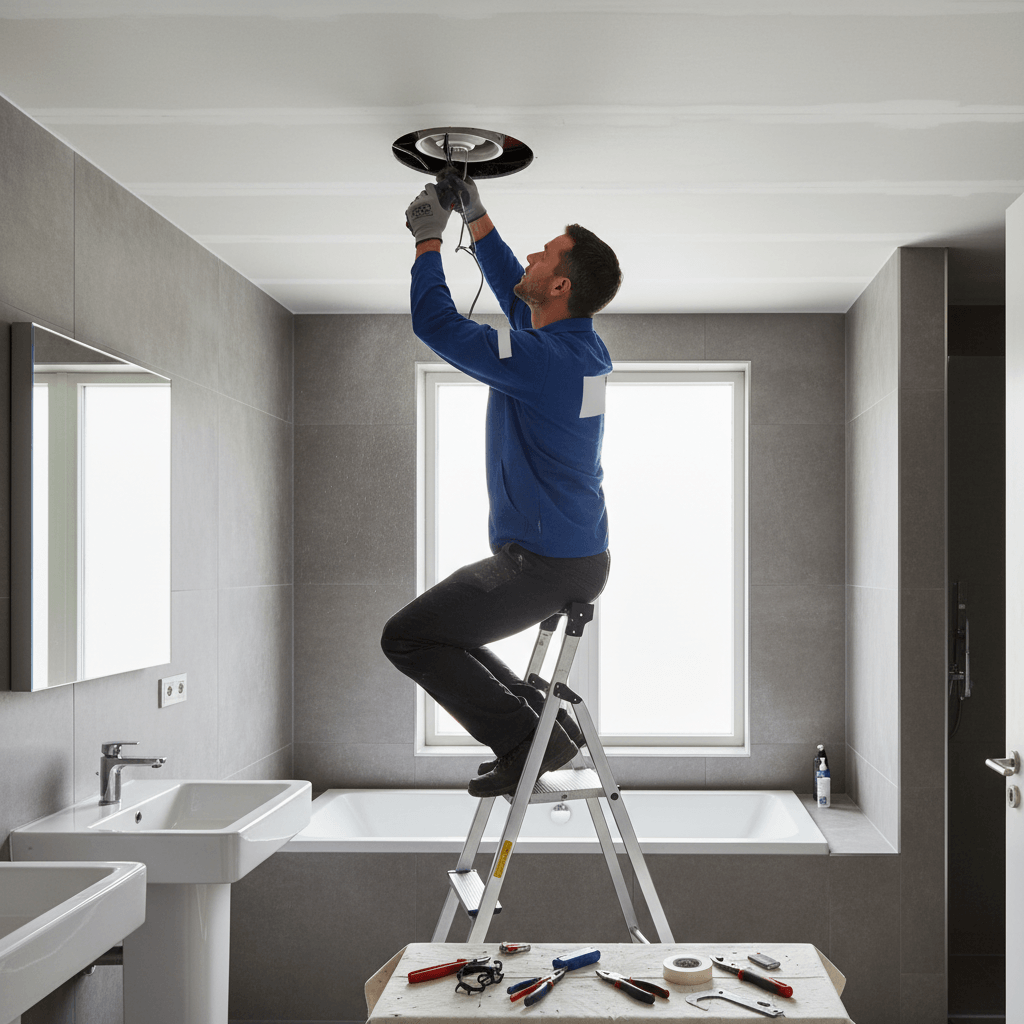
In New Zealand, all bathroom electrical work must be done by a registered electrician. Bathrooms are classified as wet areas, which means strict safety regulations apply. Even if you are handy, attempting to wire a fan yourself is illegal and dangerous. An unqualified installation can void your insurance and create serious fire or electrocution risks.
The only DIY-safe tasks are cleaning an existing fan or replacing a filter. Everything involving wiring, ducting through the roof, or connecting to circuits requires a professional.
NZ Regulations for Bathroom Electrical Work
Bathroom extractor fan installation falls under several New Zealand regulations that homeowners should be aware of.
Registered Electrician Required
Under the Electricity Act 1992 and the Electricity (Safety) Regulations 2010, all prescribed electrical work must be carried out by a registered electrician. Bathroom fan installation involves connecting to mains power in a wet area, so it absolutely qualifies as prescribed work. Your electrician will issue a Certificate of Compliance (CoC) after the job is complete.
Bathroom Electrical Zones
AS/NZS 3000 (the Wiring Rules) defines safety zones in bathrooms:
- Zone 0: Inside the bath or shower tray. No electrical equipment permitted.
- Zone 1: Directly above the bath or shower up to 2.25m height. Only fixed equipment rated IPX4 or higher.
- Zone 2: 0.6m beyond Zone 1, and above Zone 1 up to 3m. Equipment must be at least IPX4 rated.
Your electrician will determine which zone the extractor fan falls within and ensure the correct IP-rated unit is installed. Fans installed directly above a shower need at least an IPX4 rating to handle water splashes.
Building Code G4: Ventilation
Clause G4 of the New Zealand Building Code requires adequate ventilation for all habitable rooms. For bathrooms, this means either a mechanical ventilation system (extractor fan) or an openable window with an area of at least 5% of the floor area. In practice, a fan is far more effective than a window, especially in Wellington’s wet and windy climate.
Healthy Homes Standards
Rental properties must meet the Healthy Homes ventilation standard, which requires extractor fans in kitchens and bathrooms that are ducted to the outside (not just into the ceiling cavity). Landlords have until specified compliance dates to ensure their rental properties meet these requirements.
How to Choose the Right Extractor Fan
Not all extractor fans are created equal. Here is how to make sure you pick the right one for your bathroom.
Sizing: Air Changes Per Hour
The key measurement is air changes per hour (ACH). For bathrooms, you want at least 15 air changes per hour. To calculate the minimum fan capacity you need:
- Calculate your bathroom volume: Length (m) x Width (m) x Height (m)
- Multiply by 15 (the recommended ACH)
- Divide by 60 to get litres per second (L/s)
Example: A bathroom that is 2.5m x 2m x 2.4m = 12m3. Multiply by 15 = 180m3/hr. Divide by 3.6 = 50 L/s. You would need a fan rated at 50 L/s or higher.
Most standard New Zealand bathrooms need a fan rated between 25 L/s and 50 L/s. Larger bathrooms or those with spa baths may need higher capacity.
Noise Levels
Fan noise is measured in decibels (dB). Here is a general guide:
| Noise Level | Decibels (dB) | Comparable To |
|---|---|---|
| Very Quiet | Under 25 dB | Whisper |
| Quiet | 25 – 35 dB | Library |
| Moderate | 35 – 45 dB | Quiet office |
| Loud | Over 45 dB | Normal conversation |
For bedrooms with ensuites, aim for a fan under 30 dB. For main bathrooms, anything under 40 dB is acceptable. Inline fans are typically the quietest option since the motor sits away from the room.
Features to Look For
- Humidity sensor: Automatically activates when moisture rises. Best for set-and-forget convenience.
- Overrun timer: Keeps the fan running 10-20 minutes after you switch it off. Ensures thorough moisture extraction.
- LED indicator light: Lets you know the fan is operating, useful for quiet models.
- Easy-clean grille: Removable covers make maintenance simple. Dust buildup reduces fan efficiency over time.
- IPX4 rating (minimum): Essential for installation above or near showers.
- Energy efficiency: Look for fans that draw under 30 watts. Running costs are minimal, typically only a few dollars per year.
Why Choose Weka Electrical for Bathroom Fan Installation
Weka Electrical has been helping Wellington homeowners with electrical repairs and installations for years, and bathroom extractor fan installation is one of our most common jobs. Here is what sets us apart.
- Registered and qualified electricians: Every job comes with a Certificate of Compliance, so you know the work is safe and legal.
- Upfront pricing: We provide a clear quote before starting, with no hidden charges. The price we quote is the price you pay.
- Right fan for your space: We assess your bathroom size, layout, and existing wiring to recommend the best fan type and capacity. No guesswork.
- Clean and tidy work: We respect your home. We clean up after every job and leave your bathroom ready to use.
- Wellington-wide service: We cover all of the greater Wellington region, including Lower Hutt, Upper Hutt, Porirua, and the Kapiti Coast.
Frequently Asked Questions
Do I need an electrician to install a bathroom extractor fan?
Yes. In New Zealand, all bathroom electrical work must be carried out by a registered electrician. Bathrooms are classified as wet areas with strict safety regulations under AS/NZS 3000. Your electrician will issue a Certificate of Compliance to confirm the work meets all legal requirements.
How long does bathroom extractor fan installation take?
A straightforward replacement of an existing fan typically takes 1 to 2 hours. A brand new installation with new wiring, ducting, and a roof vent usually takes 2 to 4 hours, depending on accessibility and the complexity of the ducting run.
Can I replace an existing bathroom fan myself?
No. Even replacing a like-for-like fan involves disconnecting and reconnecting mains wiring in a wet area. This is prescribed electrical work under New Zealand law and must be done by a registered electrician. The only maintenance you can safely do yourself is cleaning the fan grille and removing dust buildup.
What size extractor fan do I need for my bathroom?
For most standard New Zealand bathrooms (around 6 to 10 square metres), a fan rated at 25 to 40 L/s is sufficient. Larger bathrooms or those with spa baths may need 50 L/s or more. Your electrician will calculate the exact requirement based on the room volume and the recommended 15 air changes per hour.
How much does it cost to install a bathroom extractor fan in NZ?
Expect to pay between $300 and $800 for a fully installed bathroom extractor fan. A basic replacement with existing wiring sits at the lower end ($300 to $450), while a new installation with ducting, wiring, and a premium fan unit costs $550 to $800. We provide free quotes so you know the exact cost before any work begins.
Do I need building consent to install an extractor fan?
In most cases, no. Installing a standard bathroom extractor fan is considered exempt building work under Schedule 1 of the Building Act 2004, provided it does not alter the building structure. However, if the installation involves significant changes to the roof or wall structure, consent may be required. Your electrician can advise on your specific situation.