Quick Answer: All New Zealand homes must have working smoke alarms. Since July 2024, rental properties are required to have long-life photoelectric smoke alarms in every bedroom, hallway, and living area under the Healthy Homes Standards. New builds must have hard-wired, interconnected smoke alarms that comply with the NZ Building Code and AS 3786.
What’s in This Guide
- NZ Smoke Alarm Regulations 2026
- Types of Smoke Alarms Explained
- Smoke Alarm Placement Guide
- Smoke Alarm Requirements for Rental Properties
- Smoke Alarm Installation Cost NZ
- Why Choose Weka Electrical
- Frequently Asked Questions
NZ Smoke Alarm Regulations 2026
New Zealand’s smoke alarm regulations have undergone significant updates in recent years. Whether you own your home, rent, or manage investment properties, understanding these rules is essential for keeping your household safe and legally compliant.
Key Regulations at a Glance
Under the Residential Tenancies (Smoke Alarms and Insulation) Regulations and the Healthy Homes Standards, the core requirements are:
- All residential properties must have at least one working smoke alarm on every level of the home.
- Rental properties must have long-life photoelectric smoke alarms installed in every bedroom, every hallway or landing that serves a bedroom, and every living area that does not have a bedroom attached. These alarms must be interconnected so that when one sounds, they all sound.
- New builds and major renovations require hard-wired, interconnected smoke alarms that meet the NZ Building Code clause F7 and comply with the AS 3786 standard.
- Owner-occupied homes are strongly recommended to meet the same standard as rentals, though the interconnection requirement is not yet legally mandated for non-rental properties.
Building Code Clause F7
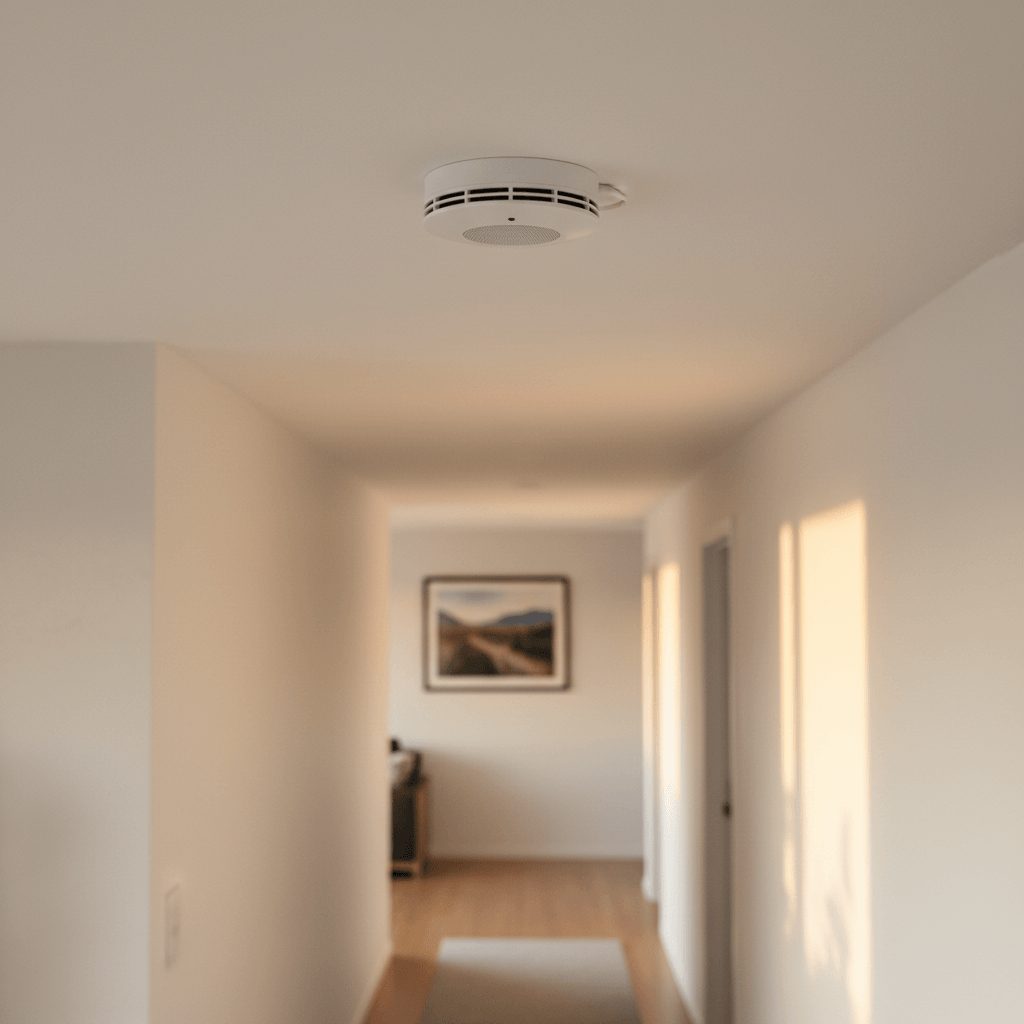
The NZ Building Code clause F7 “Warning Systems” sets out the minimum requirements for smoke detection in new residential construction. It requires that alarms be interconnected and hard-wired with battery backup. This means if a fire starts in one room, the alarm in every other room sounds simultaneously, giving occupants maximum warning time to evacuate.
AS 3786 Standard
All smoke alarms sold in New Zealand must comply with the Australian/New Zealand Standard AS 3786. This standard covers alarm sensitivity, reliability testing, and construction quality. When purchasing alarms, look for the AS 3786 mark on the packaging to ensure compliance.
Types of Smoke Alarms Explained
Choosing the right smoke alarm depends on your property type, budget, and legal obligations. Here is a breakdown of the main types available in New Zealand.
Photoelectric vs Ionisation
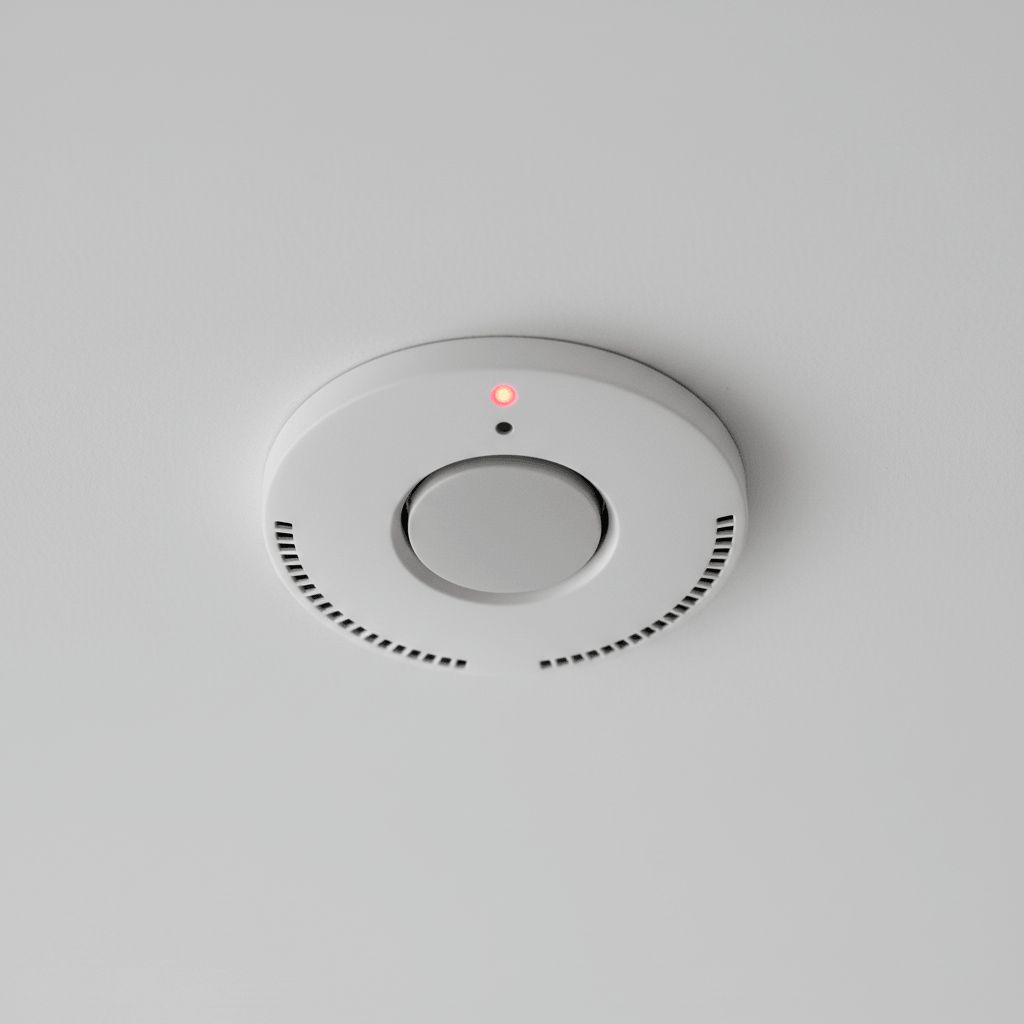
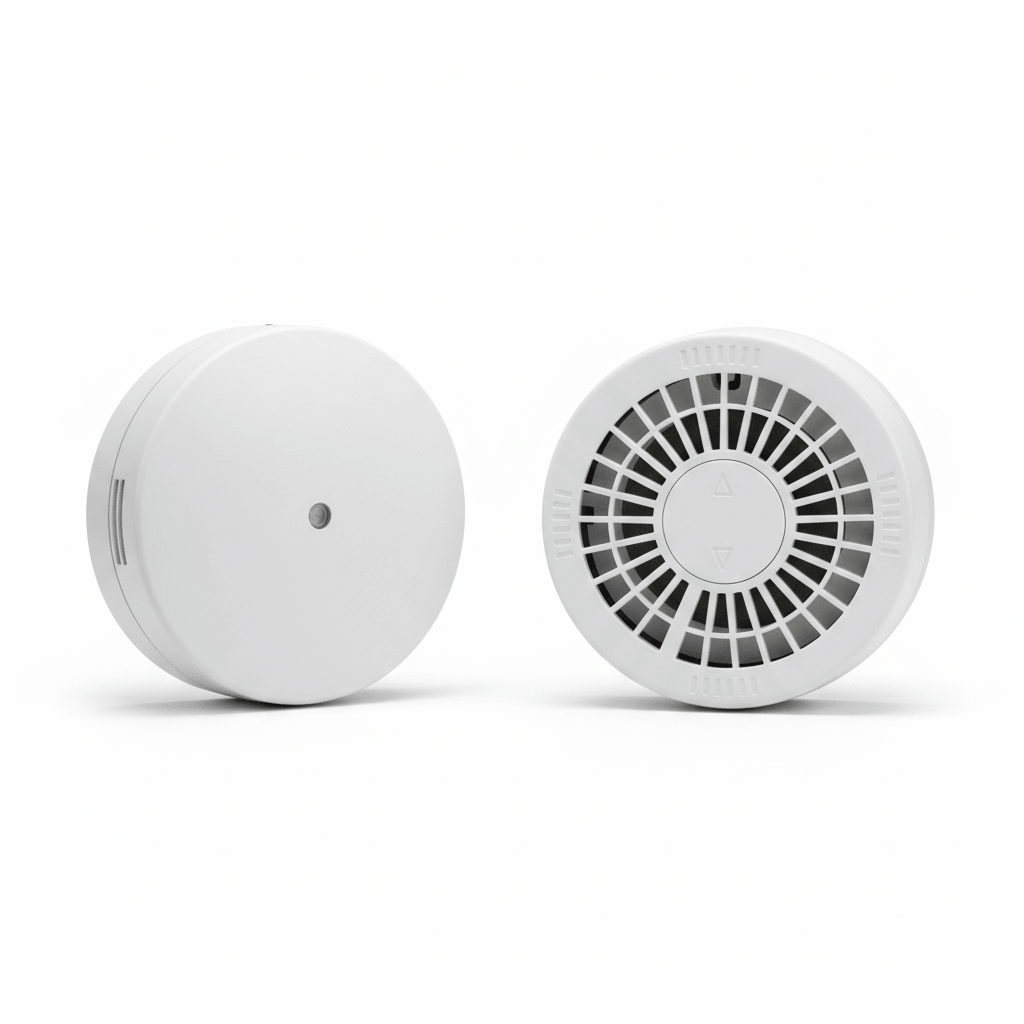
Photoelectric smoke alarms use a light sensor to detect smoke particles. They are best at detecting slow, smouldering fires, which are the most common cause of fatal house fires in New Zealand. These are the only type accepted under the Healthy Homes Standards for rental properties.
Ionisation smoke alarms use a small amount of radioactive material to detect fast-flaming fires. While they respond quickly to open flames, they are prone to nuisance alarms from cooking and steam. They are not recommended for NZ rental compliance and are being phased out in many countries.
Smoke Alarm Comparison Table
| Feature | Photoelectric | Ionisation |
|---|---|---|
| Best for | Smouldering fires | Fast-flaming fires |
| NZ rental compliant | Yes | No |
| False alarms | Rare | Common (cooking, steam) |
| Recommended by FENZ | Yes | No |
| Lifespan | 10 years | 10 years |
Standalone vs Interconnected
Standalone alarms operate independently. When one alarm detects smoke, only that alarm sounds. These are acceptable for owner-occupied homes but do not meet rental property requirements.
Interconnected smoke alarms are linked together either by wiring or wireless radio frequency. When one alarm triggers, every alarm in the network sounds simultaneously. This is the required standard for all NZ rental properties and new builds. Interconnected systems are significantly safer because they alert occupants throughout the entire home, even if the fire starts in a distant room.
Battery vs Hard-Wired
Battery-powered alarms are easier to install (no electrician needed for basic models) and use sealed long-life lithium batteries lasting up to 10 years. Wireless interconnected battery alarms are available and meet rental compliance requirements.
Hard-wired alarms are connected directly to the home’s mains power with a battery backup. They require installation by a registered electrician. Hard-wired systems are mandatory in new builds and offer the highest reliability.
Smart Smoke Alarms
Smart smoke alarms connect to your home Wi-Fi and send alerts to your phone when triggered. Some models also monitor battery life and perform self-testing. While convenient, smart features are not a substitute for meeting the legal interconnection requirements. If you choose a smart alarm, ensure it also meets AS 3786 and has RF interconnection capability.
Smoke Alarm Placement Guide
Correct placement is just as important as having the right type of alarm. A poorly positioned smoke alarm may not detect smoke quickly enough to save lives.
Where to Install Smoke Alarms
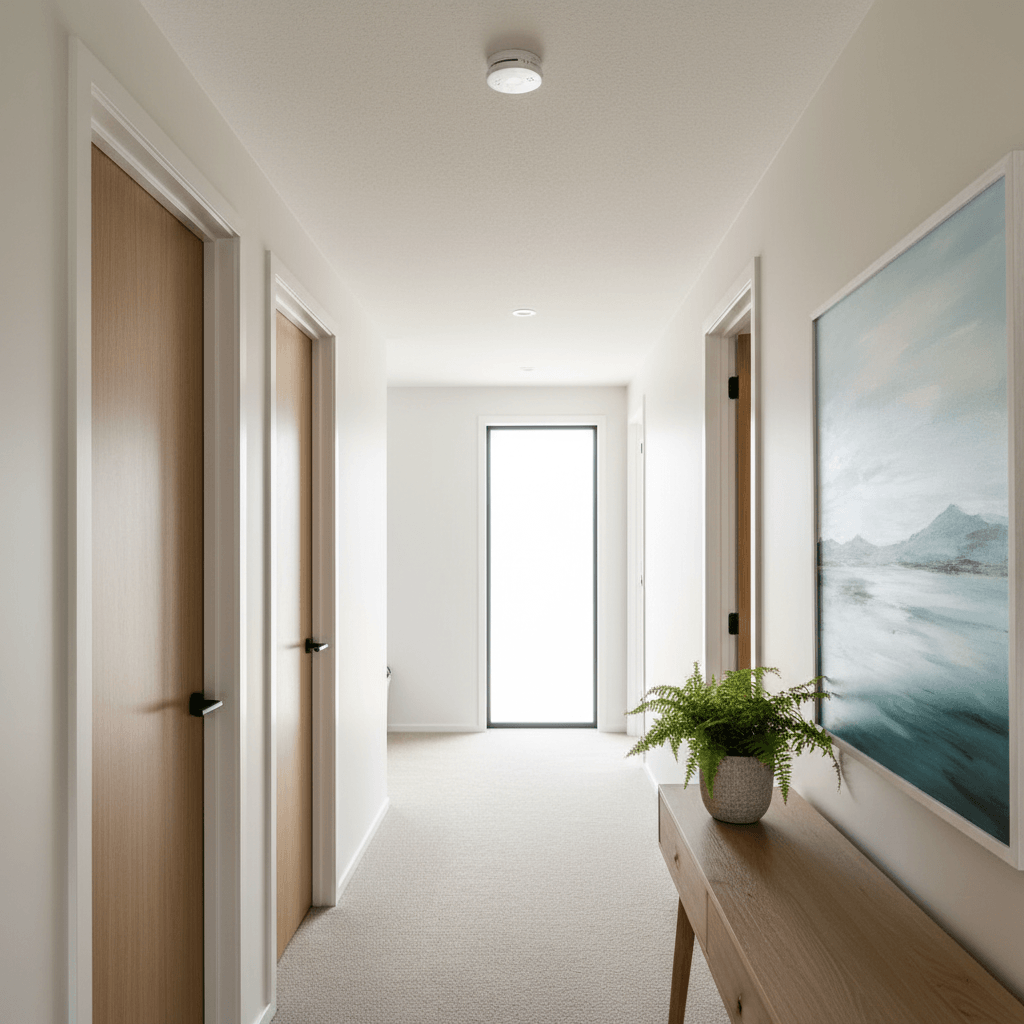
- Every bedroom – One alarm on the ceiling of each bedroom.
- Every hallway or landing that connects to a bedroom.
- Every living area (lounge, family room) that does not have a bedroom directly attached.
- Every level of a multi-storey home, including the basement and attic if used as living space.
Ceiling Mounting Requirements
- Mount on the ceiling, ideally in the centre of the room.
- Keep at least 300mm away from any wall or corner.
- Keep at least 300mm away from light fittings.
- If ceiling mounting is not possible, mount high on the wall, between 100mm and 300mm below the ceiling.
Where NOT to Install Smoke Alarms
- Kitchen – Cooking fumes cause frequent false alarms. Instead, use a heat alarm in the kitchen.
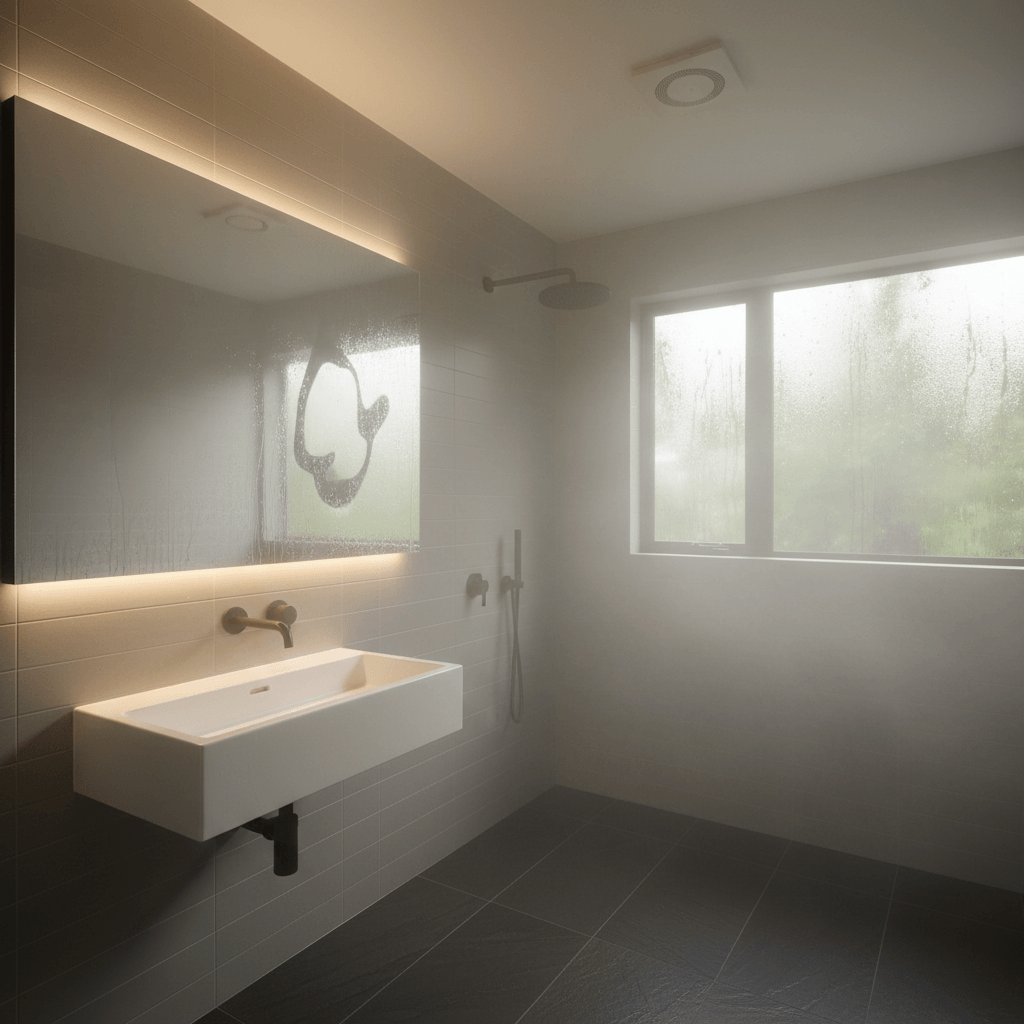
- Bathroom or laundry – Steam and humidity trigger false alarms.
- Garage – Exhaust fumes and dust particles cause nuisance alarms. Use a heat alarm instead.
- Near windows or doors – Drafts can prevent smoke from reaching the sensor.
- Near air vents or fans that create airflow away from the sensor.
How Many Smoke Alarms Do You Need?
| Home Size | Bedrooms | Minimum Alarms (Rental) |
|---|---|---|
| 1-bedroom flat | 1 | 3 (bedroom, hallway, living area) |
| 2-bedroom house | 2 | 4 (2 bedrooms, hallway, living area) |
| 3-bedroom house | 3 | 5 (3 bedrooms, hallway, living area) |
| 4-bedroom, 2-storey | 4 | 7+ (4 bedrooms, 2 hallways, living area) |
Smoke Alarm Requirements for Rental Properties
The Healthy Homes Standards place specific obligations on landlords regarding smoke alarms. Non-compliance can result in significant penalties, so it is critical for property owners and managers to understand their responsibilities.
Landlord Obligations
Under the Healthy Homes Standards (smoke alarms), landlords must:
- Install photoelectric smoke alarms (ionisation alarms do not comply).
- Ensure alarms are interconnected so that when one triggers, all alarms in the property sound.
- Place alarms in every bedroom, hallway serving a bedroom, and living area without an adjoining bedroom.
- Use alarms with a long-life sealed battery (minimum 8 years) or hard-wired alarms with battery backup.
- Replace alarms before their expiry date (check the date of manufacture stamped on the unit).
- Provide a signed statement confirming Healthy Homes compliance at the start or renewal of each tenancy.
Tenant Responsibilities
Tenants are responsible for:
- Not tampering with, removing, or disabling smoke alarms.
- Replacing user-replaceable batteries if required (though long-life sealed batteries should not need replacement).
- Testing alarms regularly (monthly is recommended).
- Notifying the landlord immediately if an alarm is faulty or not working.
Penalties for Non-Compliance
Landlords who fail to comply with the Healthy Homes smoke alarm standards face:
- Infringement notices of up to $4,000 per breach.
- Exemplary damages of up to $7,200 awarded by the Tenancy Tribunal.
- Court-ordered compliance requiring immediate installation and ongoing monitoring.
Timeline
| Date | Requirement |
|---|---|
| 1 July 2024 | All new and renewed tenancies must comply with Healthy Homes smoke alarm standards |
| 1 July 2025 | All existing tenancies must comply (full enforcement) |
| Ongoing | Landlords must maintain compliance and replace expired alarms |
Smoke Alarm Installation Cost NZ
The cost of smoke alarm installation in New Zealand varies depending on the type of system, the number of alarms, and whether you need an electrician.
Typical Costs
| Type | Unit Cost | Installation | Total (3-bed home) |
|---|---|---|---|
| Standalone battery (DIY) | $30-$60 | DIY | $150-$300 |
| Wireless interconnected | $60-$120 | DIY or electrician | $300-$600 |
| Hard-wired interconnected | $80-$150 | Electrician required | $800-$1,500+ |
| Smart interconnected | $120-$200 | Electrician recommended | $600-$1,200 |
DIY vs Professional Installation
DIY battery alarms are the cheapest option and do not require an electrician. However, standalone battery alarms do not meet rental compliance requirements. If you are a landlord, you will need at minimum wireless interconnected photoelectric alarms.
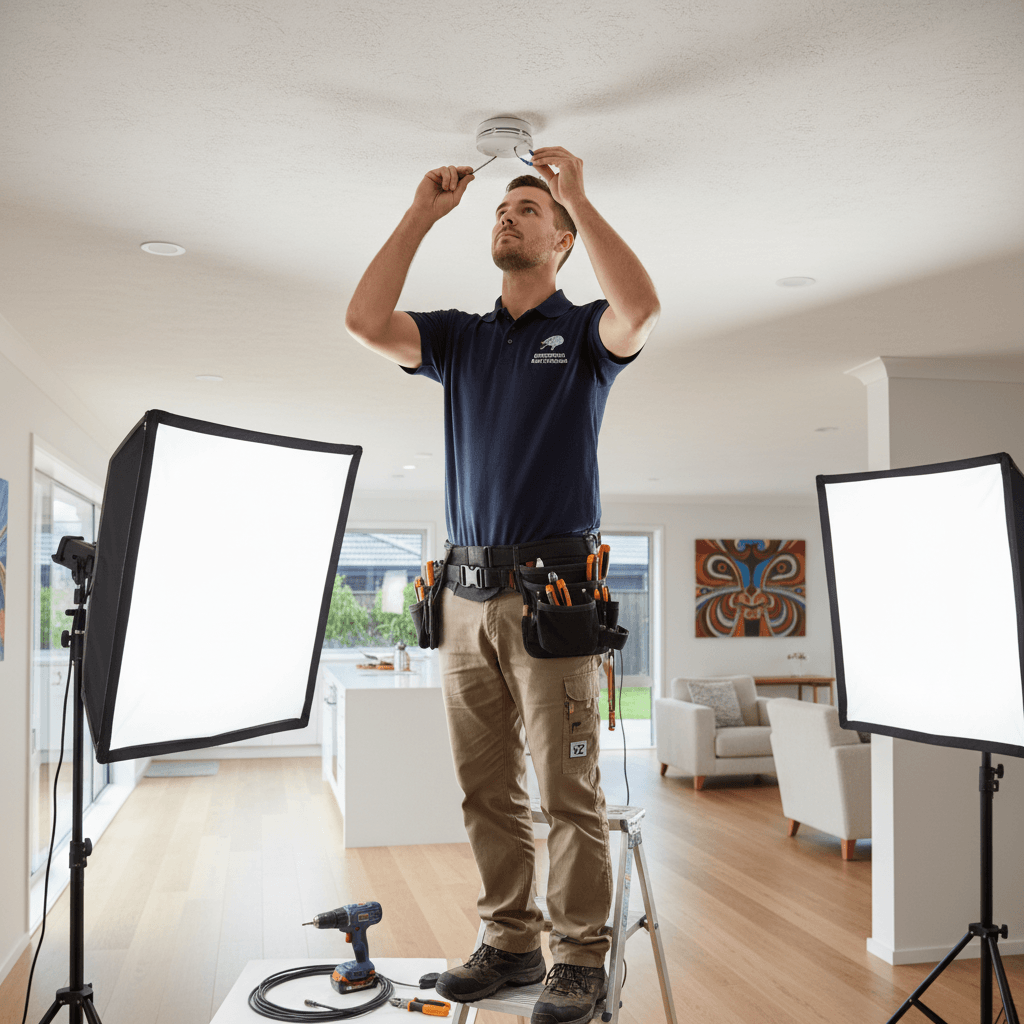
Electrician-installed hard-wired systems are the gold standard. They connect to your home’s mains power with battery backup, ensuring continuous protection even during a power outage. A registered electrician must install hard-wired alarms, and this is mandatory for all new builds. The labour cost typically ranges from $300 to $600 depending on the number of alarms and the complexity of the wiring.
For rental property compliance, many landlords find that wireless interconnected alarms offer the best balance of compliance, cost, and ease of installation. However, for long-term reliability and new builds, hard-wired systems remain the preferred choice.
Why Choose Weka Electrical
At Weka Electrical, our Wellington-based team of registered electricians specialises in smoke alarm installation and compliance work across the greater Wellington region. Our electrical repair and installation services ensure your home meets all current NZ smoke alarm regulations, whether you are a homeowner upgrading your existing system or a landlord ensuring Healthy Homes compliance.
- Registered and qualified electricians who understand NZ Building Code and Healthy Homes Standards.
- Full compliance service including assessment, supply, installation, and certification.
- Hard-wired and wireless interconnected systems tailored to your property type and budget.
- Prompt, reliable service across Wellington, Lower Hutt, Upper Hutt, and Porirua.
Frequently Asked Questions
Do rental properties need interconnected smoke alarms in NZ?
Yes. Under the Healthy Homes Standards, all rental properties in New Zealand must have interconnected photoelectric smoke alarms installed in every bedroom, hallway serving a bedroom, and living area. When one alarm triggers, all alarms in the home must sound simultaneously. This requirement applies to all new and renewed tenancies from July 2024 and all existing tenancies from July 2025.
How many smoke alarms do I need in my house?
At minimum, you need one smoke alarm on every level of your home. For rental compliance, you need alarms in every bedroom, every hallway or landing connecting to bedrooms, and every living area without an adjoining bedroom. A typical 3-bedroom home requires at least 5 interconnected alarms.
Can I install smoke alarms myself?
You can install battery-powered and wireless interconnected smoke alarms yourself. However, hard-wired smoke alarms must be installed by a registered electrician as they connect to the mains power supply. Even for DIY installations, ensure your alarms are photoelectric, comply with AS 3786, and are positioned correctly on the ceiling at least 300mm from walls.
How often should smoke alarms be replaced?
Smoke alarms should be replaced every 10 years from the date of manufacture (not the date of installation). Check the manufacturing date stamped on the back of the alarm. Alarms lose sensitivity over time, so even if they appear to work, they should be replaced at the 10-year mark.
What type of smoke alarm is best for NZ homes?
Photoelectric smoke alarms are recommended by Fire and Emergency New Zealand (FENZ) and are the only type that meets Healthy Homes compliance for rental properties. For maximum safety, choose interconnected photoelectric alarms so every room is alerted when smoke is detected anywhere in the home.
Do I need an electrician to install smoke alarms?
You need a registered electrician for hard-wired smoke alarm installation, which is required in new builds. For existing homes, wireless interconnected battery alarms can be installed without an electrician and still meet rental compliance requirements. That said, an electrician can ensure optimal placement and test the interconnection to confirm all alarms are communicating correctly.