Quick Answer: If your smoke alarm is beeping or chirping intermittently, it most likely needs a new battery. A single chirp every 30 to 60 seconds is the universal low-battery warning. However, if your smoke alarm is beeping continuously, it could be detecting smoke, steam, or dust — or the unit may have reached the end of its 10-year lifespan and needs replacing.
A beeping smoke alarm in the middle of the night is one of those frustrating household issues every New Zealander deals with at some point. Before you grab a chair and rip it off the ceiling, it helps to understand what your alarm is actually trying to tell you. This guide covers every reason your smoke alarm might be beeping, how to fix it yourself, and when you need a licensed electrician — especially if you have a hardwired system.
What’s in This Guide
- Why Your Smoke Alarm Is Beeping
- Types of Smoke Alarm Beeps & What They Mean
- How to Stop Your Smoke Alarm Beeping
- When to Replace Your Smoke Alarm
- NZ Smoke Alarm Regulations
- Why Choose Weka Electrical
- FAQs
Why Your Smoke Alarm Is Beeping
There are several reasons a smoke detector starts beeping, and not all of them mean there is a fire. Understanding the cause helps you decide whether it is a quick DIY fix or something that needs professional attention.
Low Battery (Most Common)
The number one reason for a smoke alarm chirping is a flat or dying battery. Most alarms use a 9V battery or AA lithium batteries, and they are designed to warn you well before the battery dies completely. This low-battery chirp usually starts as a single beep every 30 to 60 seconds and can go on for days or even weeks.
End of Life
Smoke alarms do not last forever. Photoelectric smoke alarms — the type required in New Zealand — have a lifespan of about 10 years. Once the unit reaches the end of its life, it will chirp or beep to tell you it needs replacing entirely, not just a new battery.
Dust, Insects, or Debris
Dust build-up inside the sensing chamber can trigger false alarms or intermittent beeping. Spiders and small insects are also common culprits in New Zealand homes, especially during warmer months. A quick clean with a vacuum or compressed air often solves the problem.
Steam or Humidity
Smoke alarms installed too close to bathrooms or kitchens can be triggered by steam from showers or cooking. This is a common issue in smaller NZ homes and apartments where the alarm is near the kitchen or bathroom door.
Interconnected Alarm Triggering
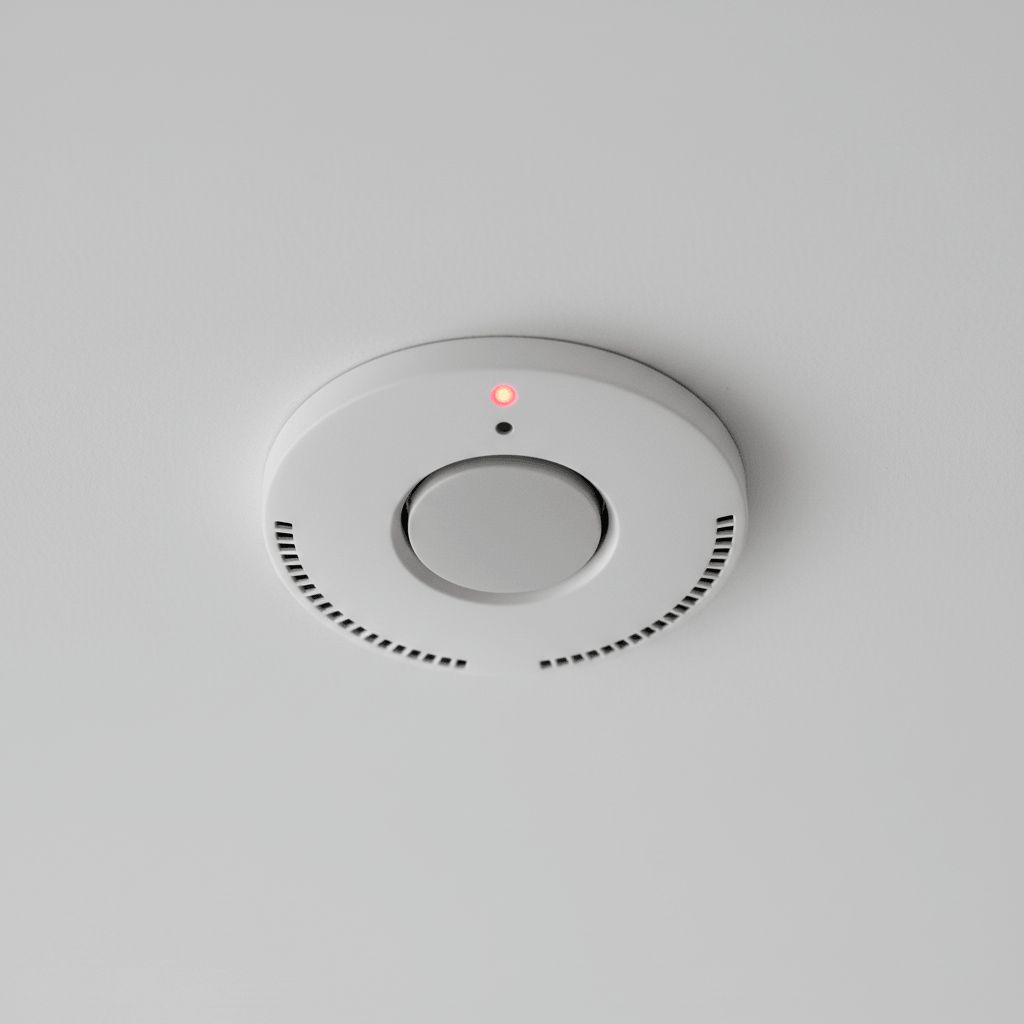
If you have interconnected smoke alarms (required in new NZ builds since 2023), one alarm detecting an issue can cause all alarms in the house to go off. Check which alarm initiated the alert — it usually has a different LED pattern or a steady red light.
Power Supply Issues (Hardwired Alarms)
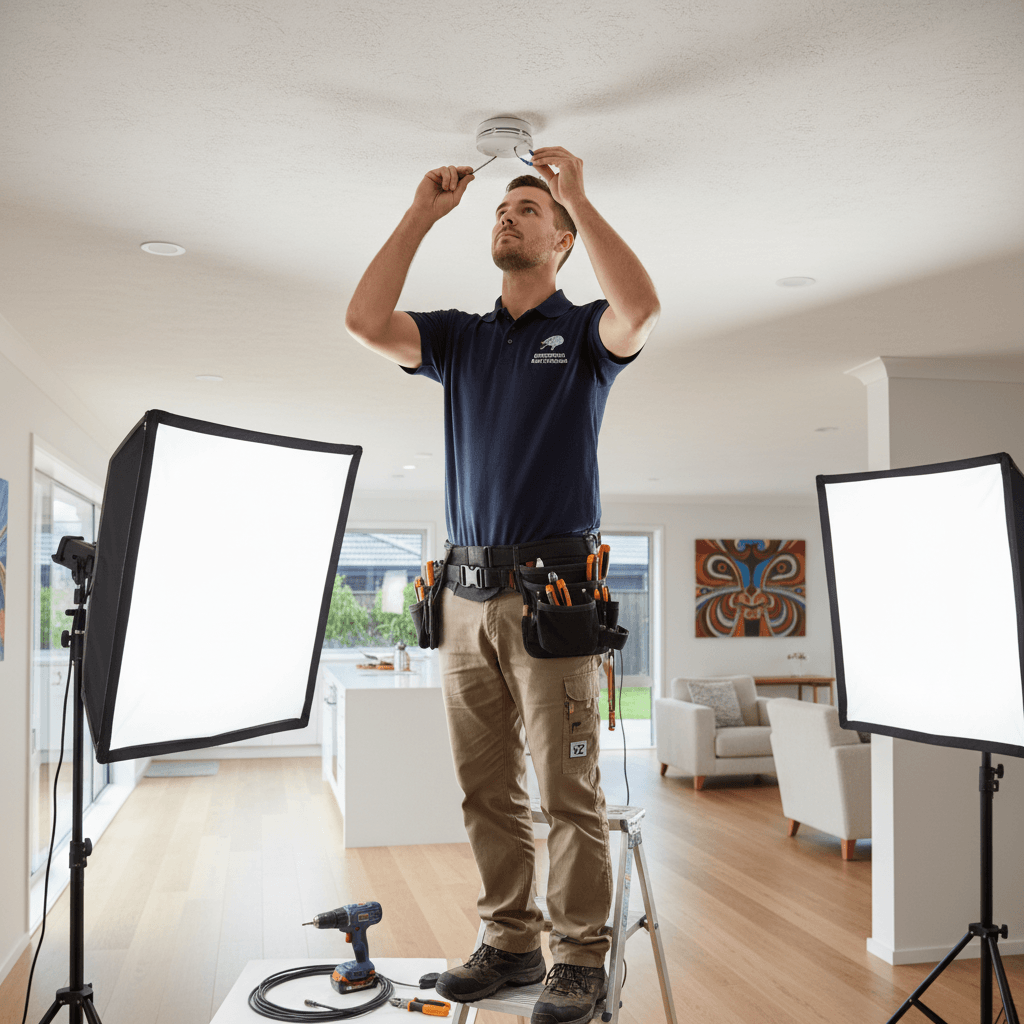
Hardwired smoke alarms connected to your mains electricity can beep if there is a power interruption, a tripped circuit breaker, or loose wiring. These issues need a licensed electrician to diagnose and fix safely.
| Beep Pattern | Likely Cause | Action Required |
|---|---|---|
| Single chirp every 30-60 seconds | Low battery | Replace the battery |
| Continuous loud beeping | Smoke or fire detected | Evacuate and call 111 |
| 3 beeps, pause, 3 beeps | Smoke detected (some models) | Check for smoke, ventilate |
| Chirping every few minutes | End of life or malfunction | Replace the entire alarm |
| Multiple alarms sounding | Interconnected system triggered | Find the initiating alarm |
| Intermittent beeping after power cut | Power supply issue (hardwired) | Call a licensed electrician |
Types of Smoke Alarm Beeps & What They Mean
Not all beeps are created equal. Your smoke alarm uses different sound patterns to communicate different problems. Here is what each pattern typically means.
Single Chirp Every 30 to 60 Seconds
This is the classic low-battery warning. It is designed to be annoying enough that you will do something about it, but quiet enough that you know there is no immediate danger. Replace the battery and the chirping should stop. If it continues after a fresh battery, the alarm itself may be faulty or past its expiry date.
Continuous Loud Beeping
A continuous, loud alarm means the smoke detector is actively sensing smoke particles in the air. This is a genuine alarm. If there is no visible smoke or fire source, it could be steam from cooking, a shower, or a buildup of dust triggering a false positive. Ventilate the area and press the hush button if your model has one. If there is actual smoke or fire, evacuate immediately and call 111.
Three Beeps, Pause, Repeat
Many modern smoke alarms use a pattern of three beeps followed by a pause to indicate smoke detection. This pattern is distinct from the single chirp of a low battery. Check your alarm’s user manual, as different manufacturers use slightly different patterns.
Multiple Alarms Going Off Simultaneously
If you have an interconnected smoke alarm system, all alarms will sound when one detects smoke or reaches a fault condition. Look for the alarm with a steady or flashing red LED — that is usually the one that triggered the alert. Newer wireless interconnected systems like those from Cavius or FireAngel are increasingly common in NZ homes.
How to Stop Your Smoke Alarm Beeping
Once you have identified why your alarm is beeping, here is how to fix it step by step.
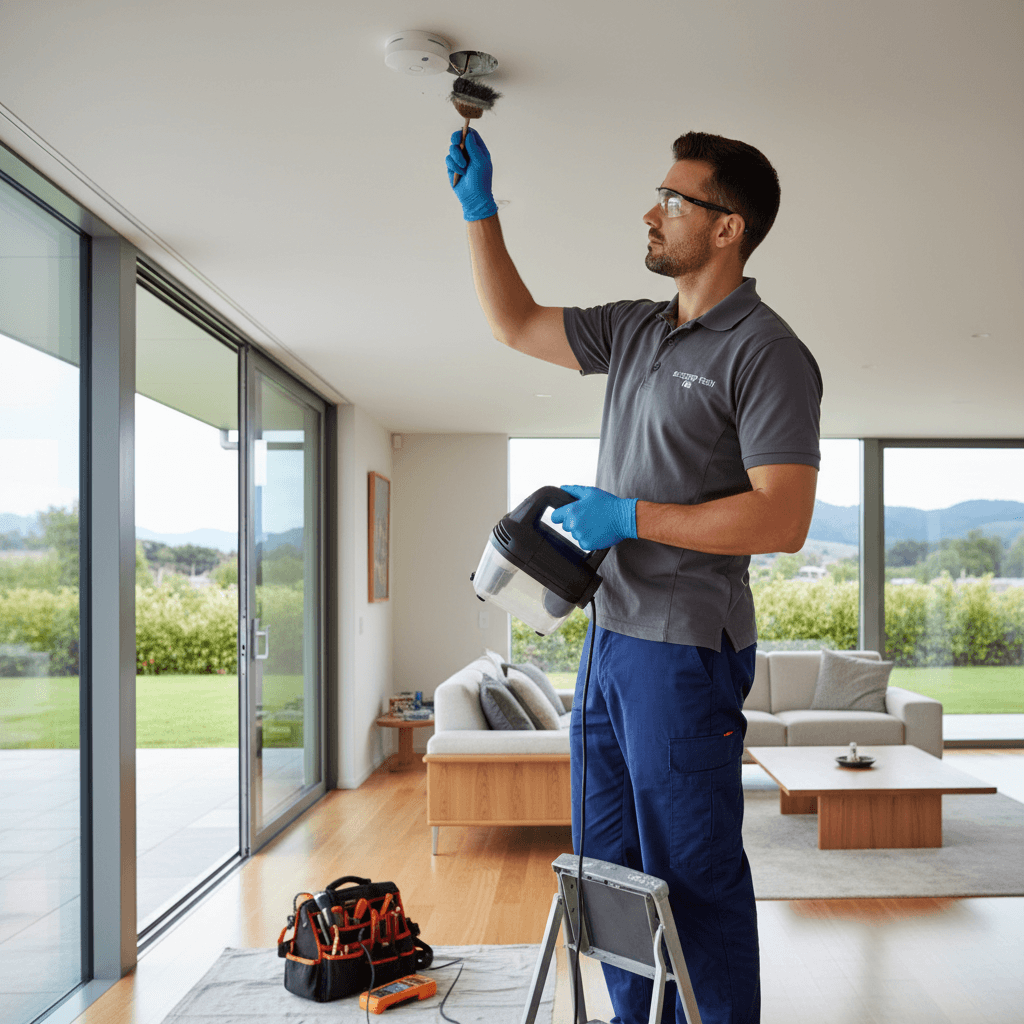
Step 1: Replace the Battery
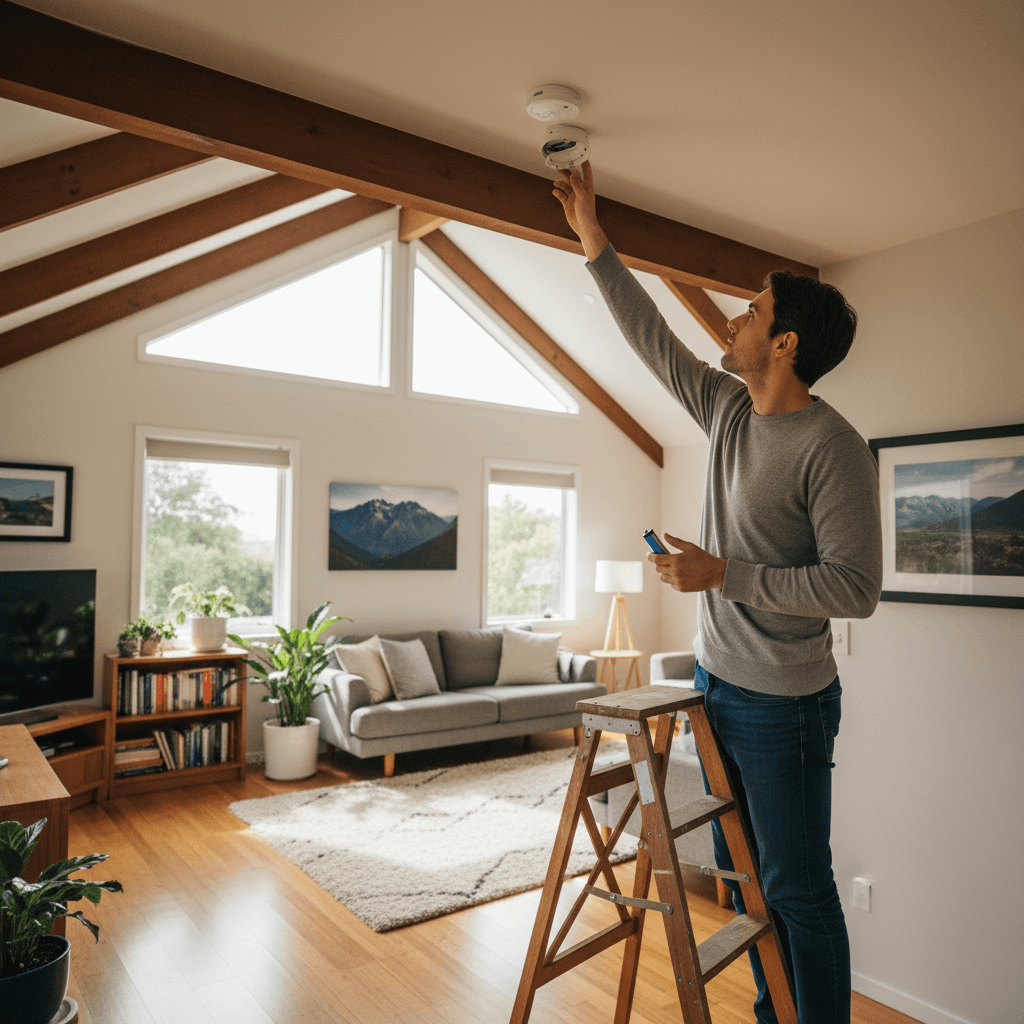
Start with the simplest fix. Remove the alarm from its mounting plate (usually a quarter-turn anticlockwise), open the battery compartment, and replace the battery. Use a quality 9V alkaline or lithium battery. Lithium batteries last significantly longer — up to 10 years in some models — and handle NZ temperature extremes better.
Step 2: Clean the Alarm
Use a vacuum cleaner with a brush attachment to gently clean around the vents and sensing chamber. You can also use a can of compressed air to blow out dust and cobwebs. Do this every six months as part of your regular home maintenance.
Step 3: Press the Reset Button
Most smoke alarms have a test/reset button on the front. After replacing the battery or cleaning, press and hold this button for 10 to 15 seconds. You should hear a short beep or chirp confirming the reset. For hardwired alarms, you may need to turn off the circuit breaker, press reset, then restore power.
Step 4: Check the Expiry Date
Flip the alarm over and look for the manufacture date printed on the back. If the alarm is more than 10 years old, no amount of new batteries or cleaning will fix it. Replace the entire unit.
Step 5: Check for Environmental Triggers
If your alarm keeps going off near the kitchen or bathroom, consider relocating it. NZ building standards recommend installing smoke alarms at least 3 metres from cooking appliances. If relocation is not practical, a photoelectric alarm with a hush feature can help reduce nuisance alarms.
Important: Never disconnect or remove a smoke alarm to stop the beeping. Under NZ law, working smoke alarms are a legal requirement in all residential properties. Disabling one puts your household at serious risk and may breach your tenancy agreement or insurance conditions.
When to Replace Your Smoke Alarm
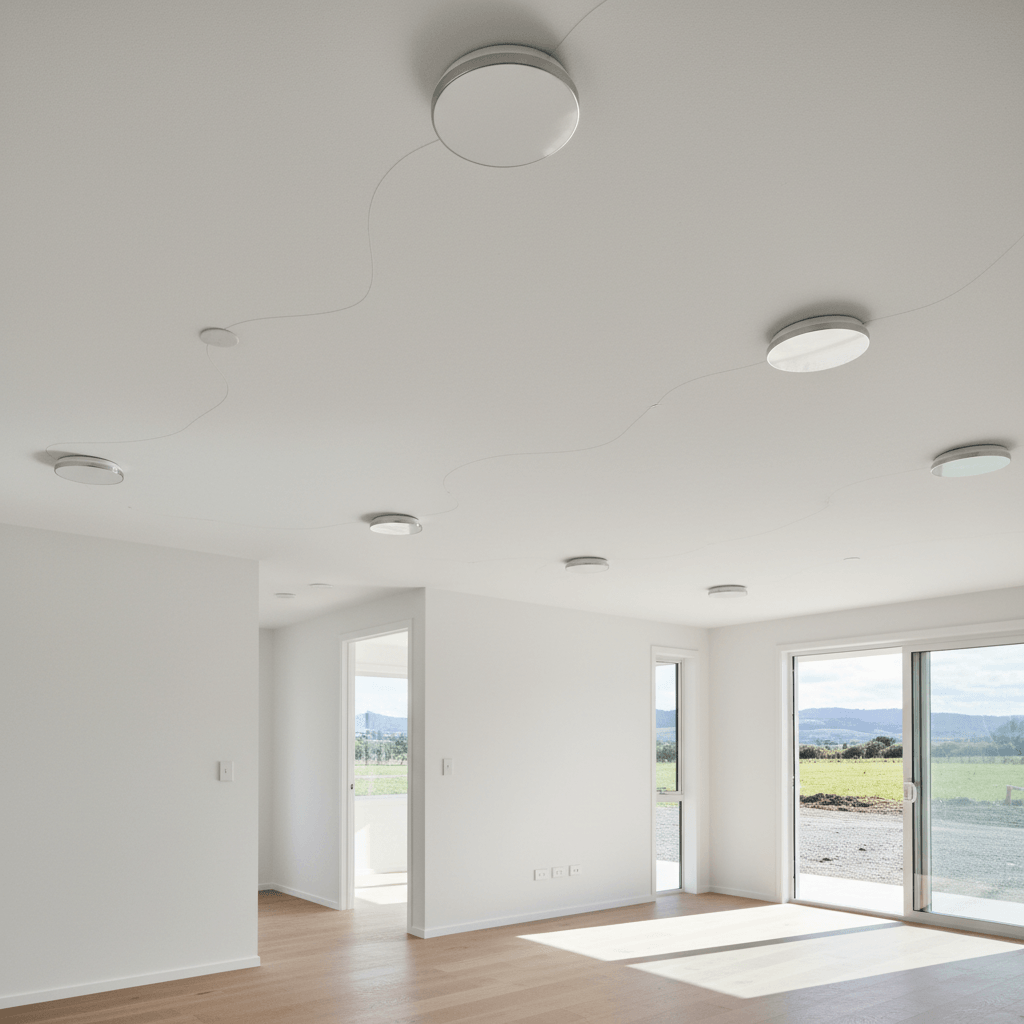
Smoke alarms have a limited lifespan, and knowing when to replace them is just as important as knowing how to maintain them.
| Sign | What It Means |
|---|---|
| Alarm is more than 10 years old | Sensors degrade over time — replace the unit |
| Chirping continues after new battery | Internal fault — replace the unit |
| Yellow discolouration on the casing | UV degradation — alarm may not function correctly |
| Failed test (no sound when test button pressed) | Unit is faulty — replace immediately |
| Frequent false alarms despite cleaning | Sensor contamination — replace the unit |
When replacing smoke alarms, choose photoelectric models that comply with AS 3786:2014 (the Australian/NZ standard). Avoid ionisation-type alarms — they are slower to detect smouldering fires and are being phased out in NZ. For new installations or upgrades, consider interconnected systems where all alarms sound together if one detects smoke.
NZ Smoke Alarm Regulations
New Zealand has specific rules about smoke alarms depending on whether you own your home, rent, or are building new.
Owner-Occupied Homes
There is no legal requirement for owner-occupiers to install smoke alarms, but it is strongly recommended by Fire and Emergency New Zealand (FENZ). Every bedroom and hallway should have a working alarm. FENZ will install free smoke alarms for eligible households — visit their website to check if you qualify.
Rental Properties
Under the Residential Tenancies (Healthy Homes Standards) Regulations 2019, landlords must install smoke alarms within 3 metres of each bedroom door. The alarms must be photoelectric, long-life (sealed lithium battery or hardwired), and have a minimum 8-year battery or be connected to mains power. Tenants are responsible for telling the landlord if an alarm stops working, but must not remove or tamper with them.
New Builds (Since 2023)
The NZ Building Code now requires interconnected photoelectric smoke alarms in all new residential builds. Alarms must be installed in every bedroom, every hallway leading to a bedroom, and on every level of the home. Hardwired interconnected systems are the standard for new construction and major renovations.
For a full breakdown of the current rules, read our complete guide to NZ smoke alarm regulations for 2026.
Why Choose Weka Electrical
If your smoke alarm keeps beeping after you have tried replacing the battery and cleaning it, there is likely a wiring or system fault that needs professional attention. Our electrical repair services across Wellington include smoke alarm diagnostics, hardwired alarm installation, and full interconnected system upgrades for homes of all sizes.
Here is why Wellington homeowners and landlords trust Weka Electrical for their smoke alarm needs:
- Licensed and registered — All our electricians are licensed by the Electrical Workers Registration Board
- Smoke alarm specialists — We install, replace, and upgrade smoke alarm systems to meet current NZ regulations
- Wellington-wide service — We cover the entire Wellington region including Lower Hutt, Upper Hutt, Porirua, and the Kapiti Coast
- Landlord compliance — We help rental property owners meet Healthy Homes smoke alarm requirements with compliant installations and documentation
- Same-day availability — Beeping alarms cannot wait. We offer prompt service to get your smoke alarms sorted quickly
Frequently Asked Questions
Why is my smoke alarm beeping every 30 seconds?
A single chirp or beep every 30 to 60 seconds almost always means the battery is low and needs replacing. Swap in a fresh 9V or AA battery (depending on your model) and press the test/reset button. If the chirping continues with a new battery, the alarm may be past its 10-year lifespan and needs to be replaced entirely.
Can I just take the battery out to stop the beeping?
You should never remove the battery or disconnect a smoke alarm as a permanent solution. In NZ rental properties, tampering with smoke alarms can breach your tenancy agreement. Even in owner-occupied homes, a disconnected alarm leaves your household unprotected. Fix the root cause — replace the battery, clean the alarm, or install a new unit.
Why does my smoke alarm beep at night?
Batteries tend to lose voltage as temperatures drop overnight. The lower temperature causes the battery voltage to dip just enough to trigger the low-battery warning. This is why smoke alarm chirping is often most noticeable at 2 or 3 in the morning when your house is at its coldest.
How do I stop a hardwired smoke alarm from beeping?
Hardwired alarms usually have a battery backup. Try replacing that backup battery first. If it still beeps, turn off the circuit breaker supplying the alarm, press and hold the reset button for 15 seconds, then restore power. If problems persist, there may be a wiring fault — call a licensed electrician.
How often should I replace my smoke alarms in NZ?
Replace all smoke alarms every 10 years, regardless of whether they appear to be working. Check the manufacture date on the back of each unit. For rental properties, landlords must ensure alarms are functional and compliant with the Healthy Homes Standards, which require photoelectric alarms with long-life batteries or hardwired connection.
Do I need an electrician to replace a smoke alarm?
Battery-only smoke alarms can be replaced by anyone — simply twist the old unit off the mounting plate and attach the new one. However, hardwired smoke alarms (connected to your home’s electrical wiring) must be installed or replaced by a licensed electrician. This is a legal requirement in New Zealand under the Electricity Act 1992.