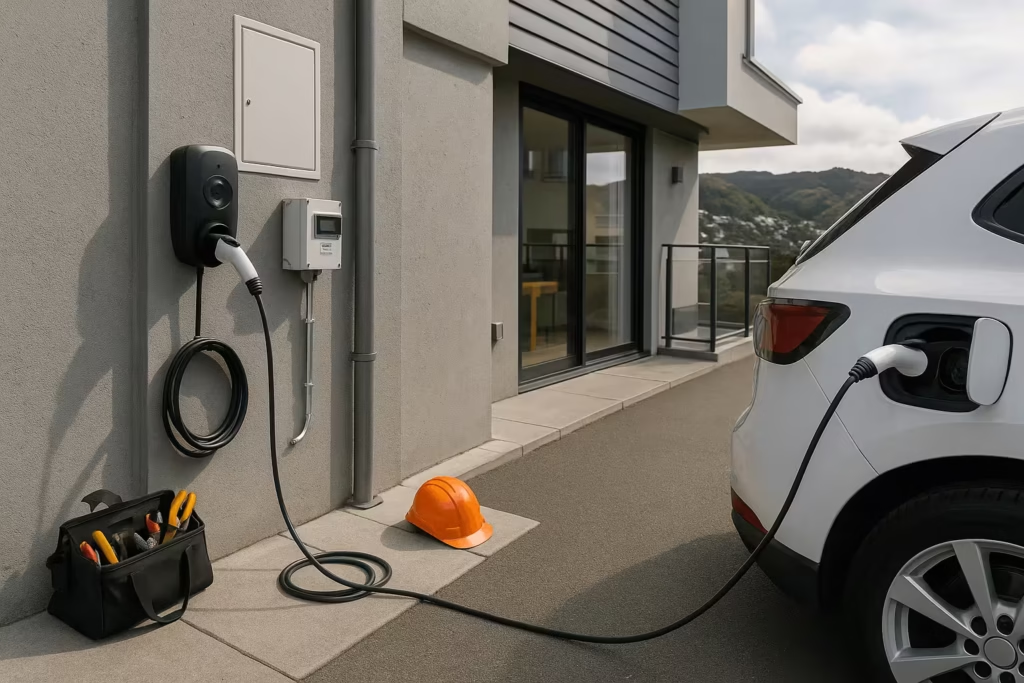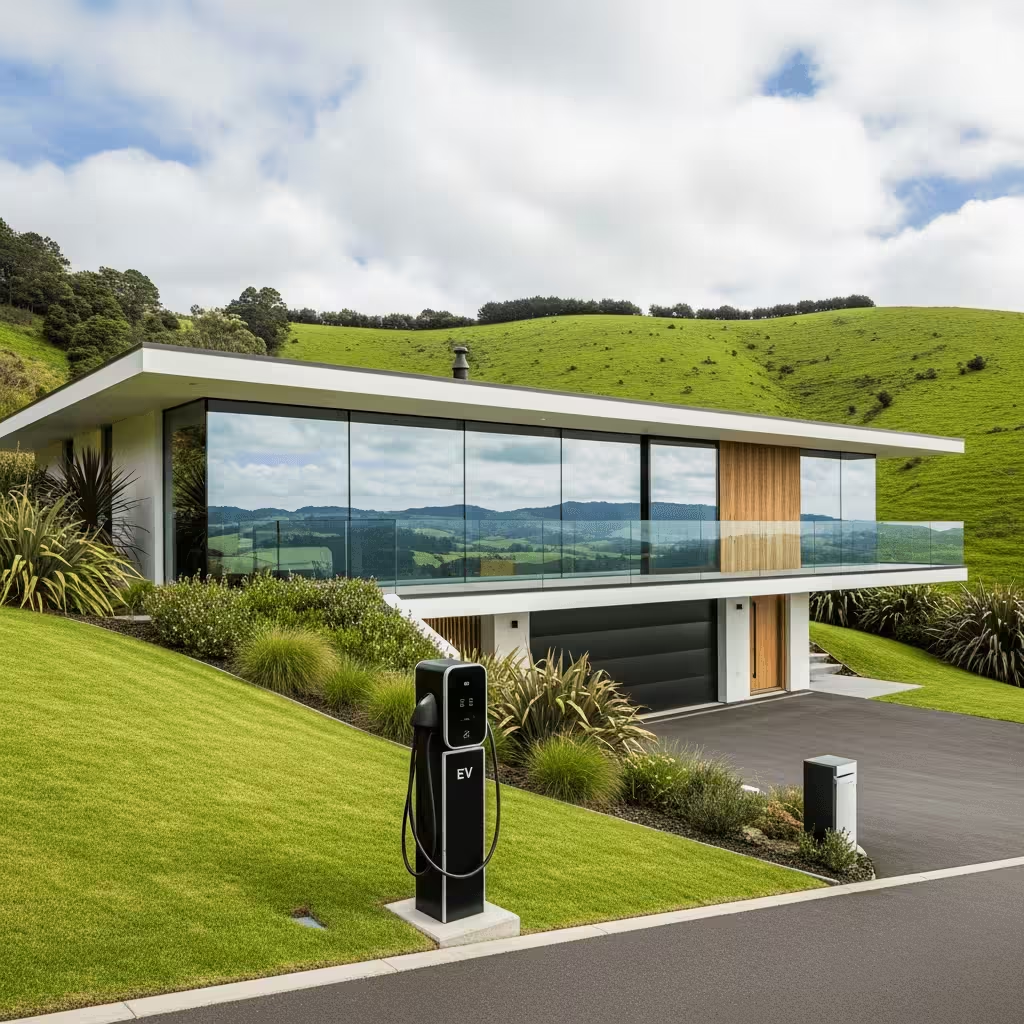
Most Wellington homes can handle an EV charger, but a professional assessment is vital to ensure safe installation and optimal charging speeds.
- How do I know if my home’s electrical system can handle an EV charger?
- What are the differences between a 7kW and a 22kW EV charger?
- Are load management systems necessary for older homes?
- Can my home in Wellington handle an EV charger immediately?
- What should I do if my switchboard is outdated?
- How does charging an EV overnight save costs?
- Is it necessary to hire a professional installer?
- What role does smart technology play in EV charging?
In recent years, the rise of electric vehicles (EVs) in New Zealand has sparked curiosity among Wellington homeowners: can your Wellington home handle an EV charger? This question is not merely about plugging in a charger; it involves delving into the electrical capacity and infrastructure specific to your dwelling. Wellington’s residential landscape presents a unique blend of homes—from charming older villas to contemporary builds—all with distinct electrical setups that can influence their capacity to support an EV charging unit.
Understanding the power capacity of your home is often the first step in determining its suitability for an EV charger. Most EV chargers typically require a dedicated circuit to avoid overloading the home’s electrical system. In New Zealand, particularly in Wellington, over 97% of EV owners conveniently charge their vehicles overnight at home, benefiting from dedicated circuits that optimise both safety and cost-effectiveness.
Power Capacity and Supply
A crucial factor to consider is whether your home’s current power supply and switchboard can sustain the additional load of an EV charger. Especially for older properties, like many villas found in Wellington, the existing electrical infrastructure might be outdated or already operating near its maximum capacity. Ensuring that your switchboard is capable of managing the extra demand or identifying whether an upgrade is necessary can prevent potential blackouts and electrical hazards.
Charger Options: 7kW vs 22kW
When choosing an EV charger, Wellington homeowners often need to decide between 7kW and 22kW units, with each suiting different requirements. A 7kW charger is ideal for most residential situations, especially where overnight charging suffices. However, a 22kW charger, while faster, demands a significantly more robust electrical setup, typically found in newer or specifically upgraded homes.
Whether living in a historic villa or a modern townhouse, consulting a professional electrician is crucial. Weka Electrical, based in Wellington, offers expertise in evaluating your home’s electrical capacity, advising on necessary upgrades, and ensuring compliance with safety standards, empowering you to make informed choices about installing an EV charger.
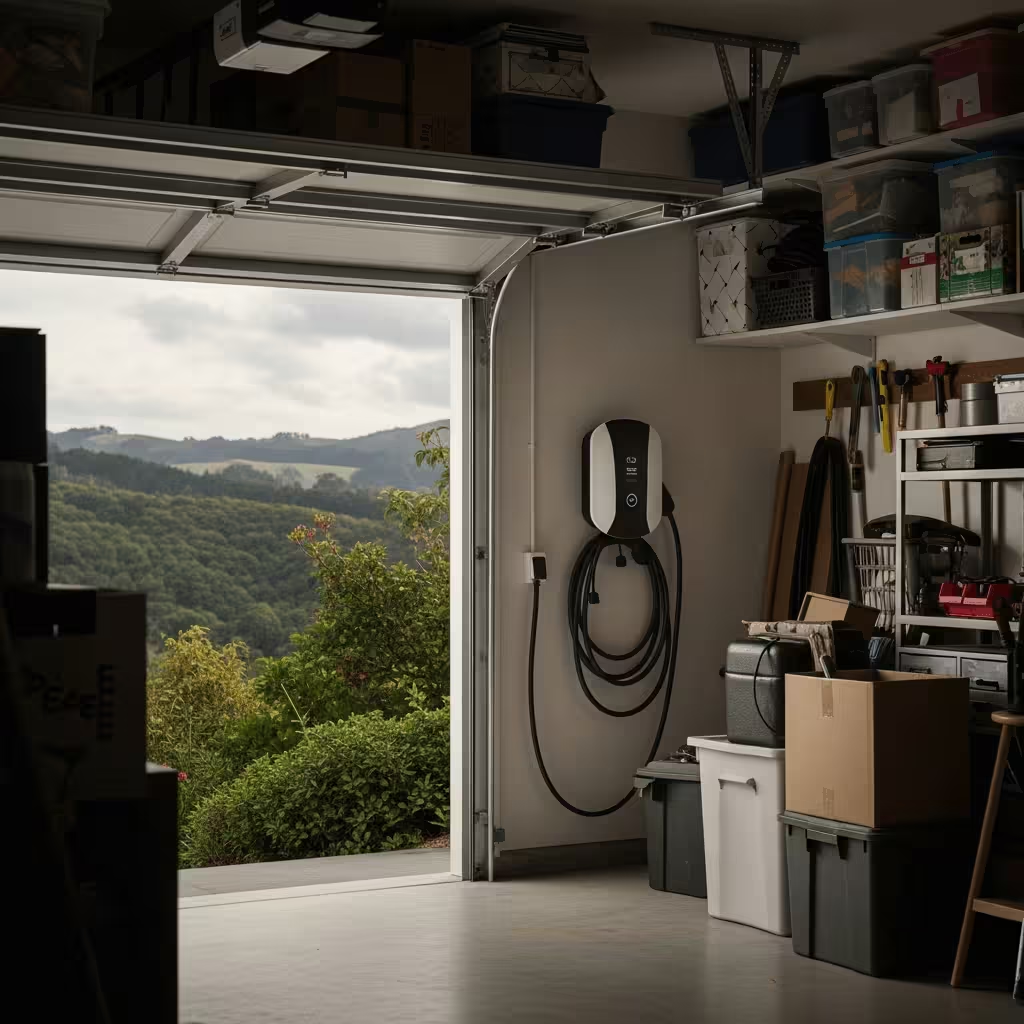
Electrical Infrastructure in Older Wellington Homes
The charm of Wellington’s heritage villas and quintessential older homes is unmistakable. However, these properties often come with distinct electrical systems, originally designed well before the advent of electric vehicles. Understanding these limitations is crucial when considering installing an EV charger.
Typical Electrical Systems and Challenges
Many heritage homes in Wellington feature electrical setups that date back several decades. These systems are typically characterised by lower power capacities, often ranging around a 15-amp service, which is insufficient for the demands of modern-day technologies, particularly for an EV charger. For instance, a standard Level 2 charger, which many EV owners prefer, generally requires a dedicated circuit capable of handling 32 amps or more. Unfortunately, homes with such antiquated systems must first undergo an assessment to determine their current capabilities and necessary upgrades.
A common challenge with these older homes is the condition of the switchboard. Many current switchboards are not only outdated but may also lack vital safety features, such as Residual Current Devices (RCDs) and Miniature Circuit Breakers (MCBs), which are essential for the safe installation of high-power chargers. Upgrading these components is often necessary to meet current safety standards and support additional electrical loads effectively.
Addressing Load Management and Upgrades
Load management plays a pivotal role in upgrading older homes to accommodate electric vehicle charging. Load management systems can help distribute available power effectively, preventing overloads by managing the simultaneous operation of various electrical devices. For older Wellington homes, installing a load management system might be an advisable step before adding an EV charger, ensuring that the existing electrical infrastructure continues to function safely and efficiently.
Homeowners may need to consult professionals like Weka Electrical to conduct a comprehensive audit of the current electrical system. This involves a detailed analysis of wiring conditions, switchboard capabilities, and overall electrical load capacity. Professional advice and installation are crucial, particularly when considering integrating higher-powered 22kW chargers, which might require significant electrical service upgrades or the installation of a new switchboard.
Additionally, homeowners must consider the potential need for rewiring in cases where the existing wiring does not support the load from an EV charger. New Zealand’s electrical standards require the adherence to specific guidelines to ensure that any upgrades are both compliant and safe.

Modern Solutions for EV Charging in New Builds
As Wellington shifts towards eco-friendly transportation, the surge in electric vehicle (EV) adoption necessitates home infrastructure optimized for EV charging. New builds are increasingly preemptive in accommodating these needs. Unlike older homes, modern properties generally incorporate advanced wiring systems, making them inherently more capable of supporting efficient EV chargers without significant alterations. However, understanding the intricacies of these setups is crucial for homeowners to maximize efficiency and safety.
Understanding Power Capacity
Newly constructed homes in Wellington are usually designed with higher power capacity, anticipating future energy demands like those required by EVs. These homes often feature a larger main supply, allowing for seamless integration of high-capacity chargers such as 22kW units. It’s essential for homeowners to confirm their power supply can accommodate their selected charger’s demands by consulting with certified electricians, like Weka Electrical. This proactive approach prevents overloading, promotes energy efficiency, and ensures safety.
Navigating Load Management
Though modern homes come equipped with enhanced electrical infrastructure, effective load management remains a priority. Installation of load management systems enables homeowners to monitor and control energy use, ensuring that even with devices like EV chargers, the overall demand does not exceed the property’s limits. Techniques such as staggered charging times and smart home integration further optimise usage, minimising disruption and enhancing circuit stability. Collaborating with professionals is recommended to tailor a load management plan suitable for individual needs and to maintain compliance with local electrical standards.
Exploring Charger Options
When selecting EV chargers for new builds, understanding the differences between 7kW and 22kW chargers is key. While 7kW chargers offer sufficient power for daily use and are cost-effective, 22kW chargers provide faster charging times, benefiting households with high-energy consumption patterns or multiple EVs. Choosing the right charger involves assessing personal driving routines and household power capabilities. Engaging with experts can help homeowners navigate the options, ensuring optimal charger installation and service longevity.
Integrating Smart Technology
The inclusion of smart technology in new Wellington homes enhances the EV charging experience. Smart chargers connected via apps allow users to monitor charging progress, set schedules, and even remotely manage operations. This technology not only simplifies charging management but also aligns with sustainability objectives by enabling users to charge during off-peak times, enhancing cost efficiency. Homeowners are increasingly opting for smart solutions to bolster their renewable energy strategies while maintaining convenience and control over their energy use.
As Wellington’s housing landscape evolves, it’s vital to remain informed about technological advancements that affect domestic infrastructure and lifestyle choices. Transitioning into Section 4, we explore why engaging with seasoned professionals like Weka Electrical ensures knowledge and expertise, crucial for safe and efficient EV charger integrations.
Why Choose Weka Electrical for Your EV Charging Needs
When it comes to ensuring that your Wellington home is ready to accommodate an EV charger, Weka Electrical stands out as the premier choice. Situated right in the heart of Wellington, we know the ins and outs of local electrical systems, whether it’s quaint older villas or contemporary builds. Our team of experienced professionals brings in-depth knowledge and a specialist approach to EV charging solutions in Wellington, New Zealand, ensuring your peace of mind and optimal functionality of your new electric vehicle charger.
Experienced Local Experts
We at Weka Electrical pride ourselves on our transformative work in the Wellington community. Our electricians are not only highly certified but also familiar with the local infrastructure and climate challenges that can affect electrical setups. This local expertise means we can seamlessly blend state-of-the-art technology with the traditional character of older New Zealand homes—making sure that each installation respects architectural integrity while enhancing electrical safety and efficiency.
What Sets Us Apart
Our commitment to excellence is evident through our comprehensive service. From assessing your existing electrical capacity and advising on necessary switchboard upgrades to implementing advanced load management systems, we’re here to guide you every step of the way. Installing an EV charger for your Wellington home is more than just a transaction; it’s a partnership where your needs are prioritized, and your home’s electrical capabilities are respected.
At Weka Electrical, we understand that no two homes are alike. That’s why we tailor each EV charger installation to the unique demands of your property, offering solutions that range from 7kW to 22kW chargers, depending on your needs and capacities. Our reputation for reliability and professionalism is affirmed by the positive feedback from our satisfied clients, who consistently celebrate our transparent communication, punctuality, and unwavering dedication.
As you explore your options for EV charger installations, know that with Weka Electrical, you’re choosing a partner dedicated to delivering excellent service and future-ready electrical solutions. Up next, join us for Section 5: “Frequently Asked Questions,” where we’ll address common queries about EV charger installations to equip you with all the clarity and confidence you need to proceed with your home upgrade.
Frequently Asked Questions
How do I know if my home’s electrical system can handle an EV charger?
It’s important to assess your home’s electrical capacity and existing infrastructure. Consult a certified Wellington electrician who can evaluate your switchboard and ensure it can handle the additional load, or advise if upgrades are needed.
What are the differences between a 7kW and a 22kW EV charger?
A 7kW charger typically uses single-phase power and can provide up to 40-50 kilometres of range per hour, while a 22kW charger uses three-phase power, offering up to 120-130 kilometres of range per hour. The right choice depends on your vehicle’s capabilities and your home’s electrical setup.
Are load management systems necessary for older homes?
For older Wellington homes, a load management system may be beneficial to balance the distribution of electricity and prevent overloading circuits when installing an EV charger.
Can my home in Wellington handle an EV charger immediately?
Most Wellington homes can handle an EV charger, but it’s advisable to conduct a professional assessment to confirm electrical safety and optimised charging performance.
What should I do if my switchboard is outdated?
If your switchboard is outdated, it may not safely support an EV charger. Upgrading to a modern switchboard can enhance safety and efficiency when using high-load electrical devices such as EV chargers.
How does charging an EV overnight save costs?
Charging an EV overnight takes advantage of lower electricity rates offered by some providers during off-peak hours, which can reduce overall energy costs, while also ensuring your vehicle is fully charged by morning.
Is it necessary to hire a professional installer?
Yes, having a professional install your EV charger ensures compliance with local electrical standards, optimises charging efficiency, and maintains safety in your home.
What role does smart technology play in EV charging?
Smart technology can optimise charging by allowing remote control and scheduling through smartphone apps, facilitating energy management and reducing costs by aligning with off-peak rates.
Key Insights
Most Wellington homes can support an EV charger, provided the property’s electrical system meets basic requirements and safety standards. Demand for home charger installations has grown in the past year, and newer subsidy programmes now cover up to 50–70% of installation costs, offering up to NZD 2,000 for residential settings. Installers report that homes with adequate switchboard capacity and modern wiring can easily accommodate standard wall chargers, and homeowners are increasingly choosing smart chargers for faster and safer charging. However, for older homes or where switchboard upgrades are required, additional costs and planning may be necessary. Integrating renewable energy sources, like solar panels, can further increase subsidy amounts and future-proof charging setups.
Recent research and government support indicate that the transition to home EV charging in Wellington is being actively encouraged, with streamlined application processes and higher approval rates when sites are assessed professionally and documentation is complete[1][6].