
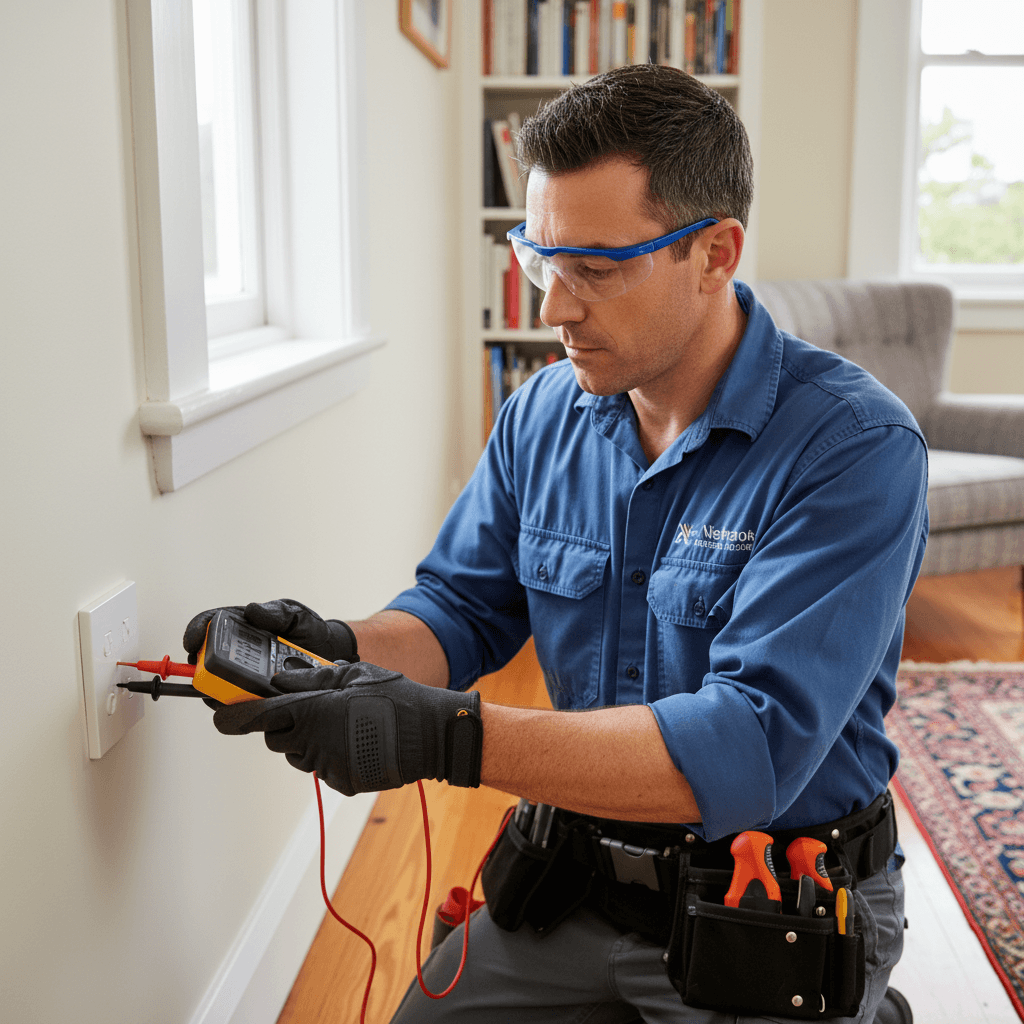
Quick Answer: Electrical fault finding is the process of diagnosing the root cause of electrical problems in your home or business. Common faults include tripping circuit breakers, flickering lights, dead power points, and burning smells. While you can identify some symptoms yourself, the actual diagnosis and repair must always be done by a registered electrician using specialised test equipment.
What’s in This Guide
- Common Electrical Faults in NZ Homes
- How Electrical Fault Finding Works
- What You Can Safely Check Yourself
- When to Call an Electrician
- Fault Finding Costs in NZ
- Why Choose Weka Electrical
- Frequently Asked Questions
Common Electrical Faults in NZ Homes
Most electrical faults fall into a handful of categories. Understanding the symptoms helps your electrician narrow down the cause faster, which can save you time and money on the callout.
| Symptom | Likely Cause | Urgency |
|---|---|---|
| RCD/circuit breaker keeps tripping | Earth leakage fault, damaged appliance, moisture in wiring | Medium – High |
| Lights flickering throughout house | Loose neutral connection, faulty main switch, supply issue | High |
| Dead power point or light switch | Tripped breaker, broken connection, damaged cable | Low – Medium |
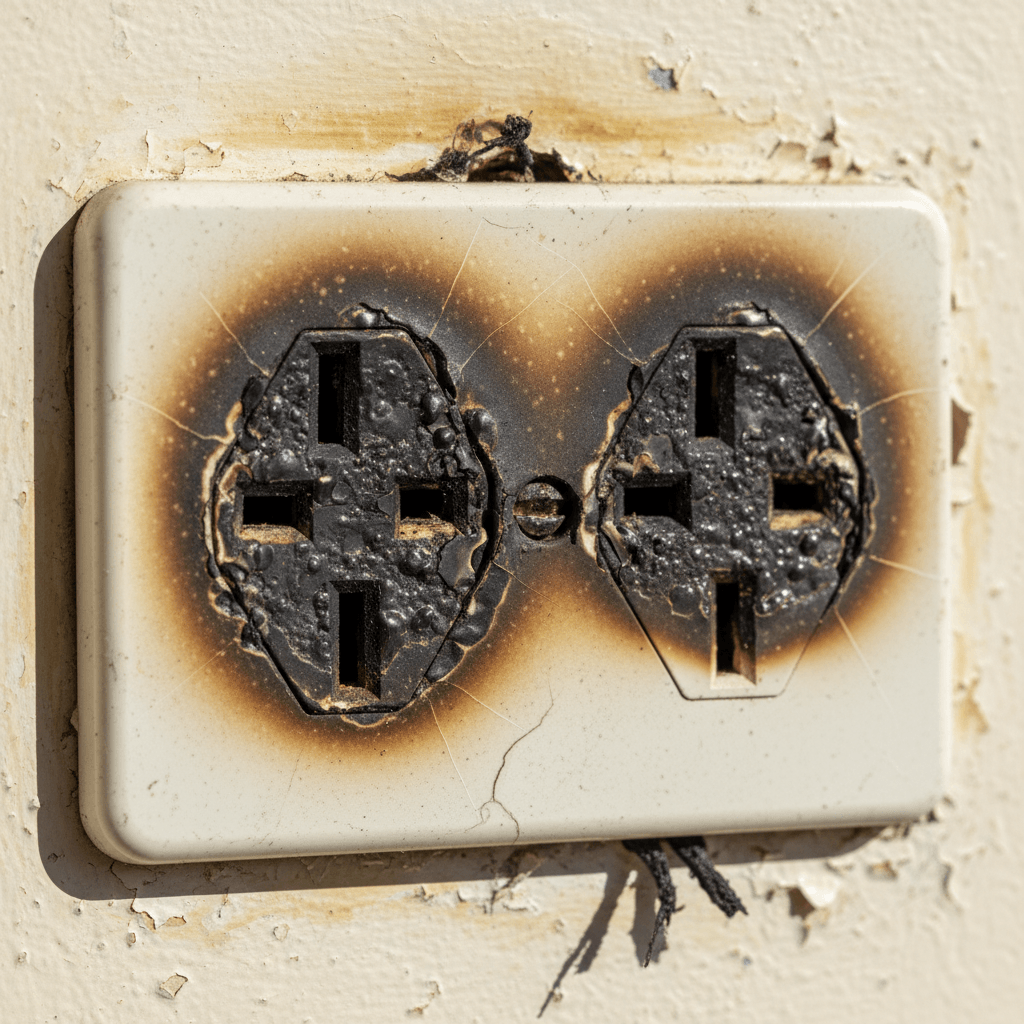
| Burning smell from outlet or switchboard | Overheating connection, overloaded circuit, arcing | Emergency |
| Buzzing or humming from walls | Loose wiring, faulty switch, arcing in junction box | Medium – High |
| Electric shock from appliance or tap | Earth fault, faulty appliance, missing earth bond | Emergency |
| Partial power loss (some rooms dead) | Tripped breaker, lost phase, broken connection | Medium |
How Electrical Fault Finding Works
Professional electrical fault finding is a systematic process of elimination. Here’s what a registered electrician typically does when diagnosing a problem.
Step 1: Visual Inspection
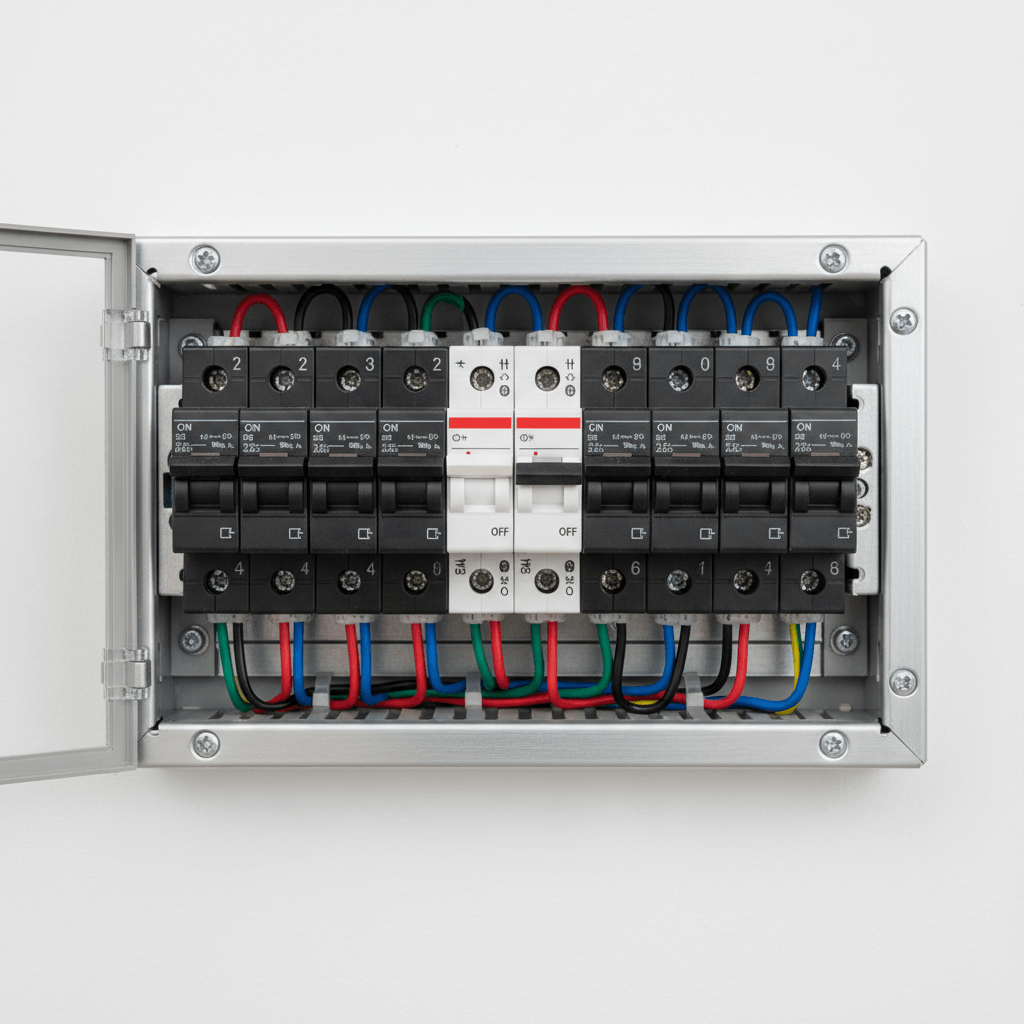
The electrician starts by inspecting the switchboard, looking for signs of overheating, corrosion, or damage. They’ll check which breakers have tripped and whether the fault is isolated to a single circuit or affecting multiple circuits. They’ll also ask you about when the problem started and what was happening at the time.
Step 2: Circuit Isolation Testing
Using the switchboard, the electrician systematically isolates individual circuits to narrow down which one has the fault. This involves turning off all breakers, then switching them on one at a time to identify which circuit causes the problem to reappear.
Step 3: Insulation Resistance Testing
Once the faulty circuit is identified, the electrician uses an insulation resistance tester (megger) to measure the insulation quality of the cabling. Low insulation resistance indicates damaged or degraded cable insulation, which is a common cause of earth leakage faults in older homes.
Step 4: Continuity and Earth Testing
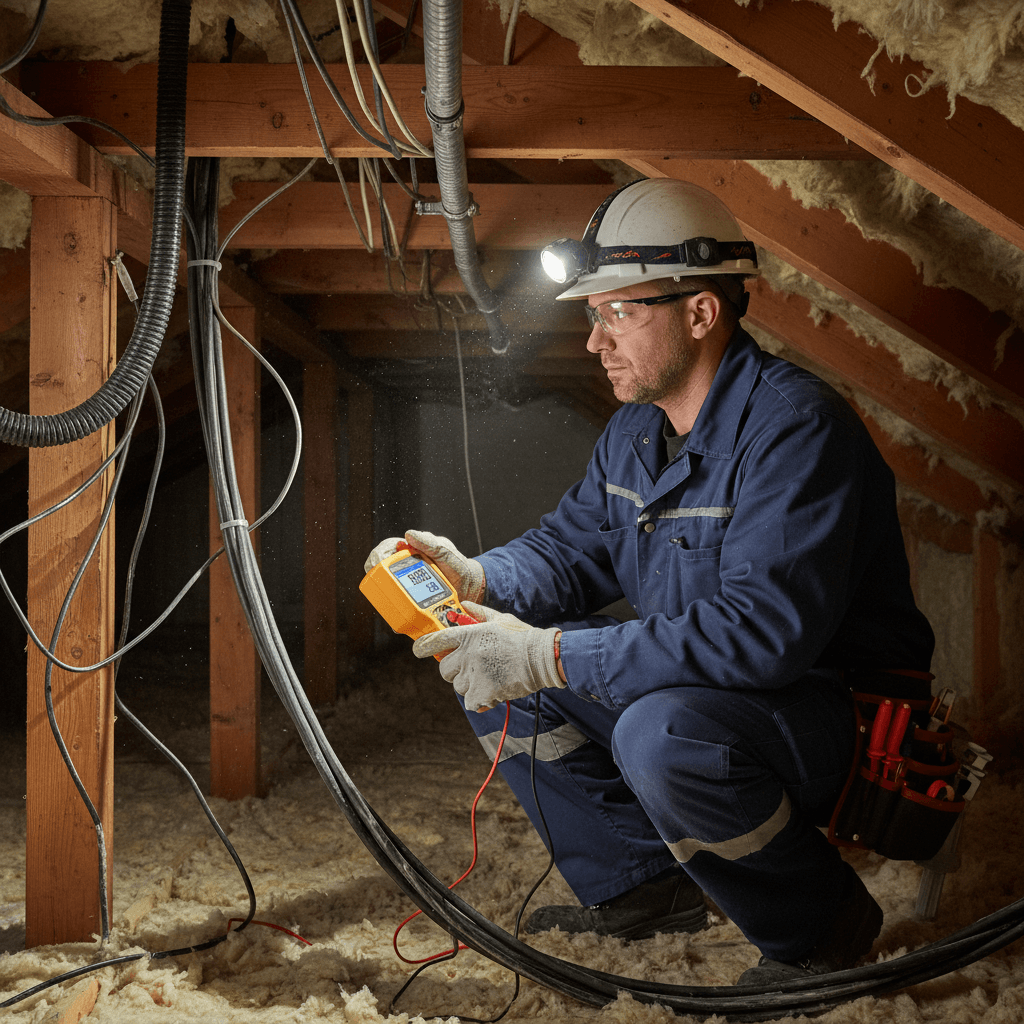
The electrician tests the continuity of conductors and earth paths to ensure all connections are intact and the earthing system is functioning correctly. A broken earth conductor can create dangerous touch voltages on metal appliances and fittings.
Step 5: Point-to-Point Testing
If the fault hasn’t been found by this stage, the electrician will test individual sections of the circuit, checking each power point, light fitting, and junction box to pinpoint exactly where the fault is occurring.
What You Can Safely Check Yourself
Before calling an electrician, there are a few basic checks you can safely do without touching any wiring.
Safe DIY Checks:
- Check your switchboard – Look for any tripped breakers or blown fuses. If a breaker has tripped, try resetting it once. If it trips again immediately, stop and call an electrician.
- Unplug appliances on the affected circuit – If a breaker keeps tripping, unplug everything on that circuit and reset. Then plug appliances back in one at a time to see if a specific device is causing the trip.
- Check if neighbours are affected – If your entire home has lost power, check if your neighbours are also affected. If so, it’s likely a network supply issue and you should contact your lines company.
- Test power points with a known-working device – If a power point appears dead, try plugging in a lamp or phone charger that you know works to confirm the point is actually faulty.
- Check your hot water cylinder breaker – Hot water cylinders are a common cause of RCD tripping, especially in older homes. If your RCD trips, try turning off the hot water breaker and see if the problem stops.
Safety Warning: Never open your switchboard cover, remove any electrical fittings, or attempt to test or repair wiring yourself. In New Zealand, all electrical work beyond basic tasks (changing a light bulb, resetting a breaker) must be performed by a registered electrician. Attempting DIY electrical repairs is illegal and puts your household at serious risk.
When to Call an Electrician
Some electrical faults require urgent attention. Call an electrician immediately if you experience any of these situations.
Emergency Situations (Call Now)
- Burning smell coming from any electrical outlet, switch, or your switchboard
- Sparking from a power point or light fitting
- Electric shock when touching an appliance, tap, or metal surface
- Scorch marks or discolouration around power points or switches
- Water near electrical fittings (flooding, leaking roof)
Non-Emergency Situations (Schedule Within Days)
- Circuit breaker that keeps tripping after you’ve unplugged all appliances
- Flickering lights not caused by a loose bulb
- Power points that feel warm to the touch
- Intermittent power loss on specific circuits
- Buzzing or humming noises behind walls
Fault Finding Costs in NZ
Electrical fault finding is typically charged as a callout fee plus an hourly rate. Most faults in residential properties can be diagnosed and repaired within 1-2 hours.
| Service | Estimated Cost (incl. GST) |
|---|---|
| Callout + first hour (fault diagnosis) | $120 – $200 |
| Additional hours | $80 – $120 per hour |
| Simple repair (replace outlet, re-terminate connection) | $150 – $300 total |
| Complex fault (cable replacement, rewiring section) | $300 – $800+ |
| After-hours / emergency callout | $200 – $350+ (first hour) |
The cost varies depending on the complexity of the fault and how accessible the wiring is. Faults in older homes with limited access (e.g., wiring buried in walls or ceilings without access points) take longer to diagnose and may cost more. Your electrician should be able to give you an estimate once they’ve completed the initial diagnosis.
Why Choose Weka Electrical for Fault Finding
Tracking down an electrical fault requires experience and the right test equipment. Our electrical repair team in Wellington carries professional-grade insulation testers, thermal imaging cameras, and circuit tracers to diagnose faults quickly and accurately. We work across all types of residential and commercial properties, from modern builds to older Wellington homes with legacy wiring.
We service the entire Wellington region, including Lower Hutt, Upper Hutt, Porirua, and the Kapiti Coast. For urgent electrical faults, we offer same-day callouts to get your power back on safely.
Frequently Asked Questions
How long does electrical fault finding take?
Most residential faults can be diagnosed within 30 minutes to 1 hour. Simple issues like a faulty appliance tripping a breaker can be identified in minutes. More complex faults, such as intermittent earth leakage in hidden wiring, can take 2-3 hours to track down. Your electrician will keep you informed throughout the process.
Why does my RCD keep tripping for no reason?
RCDs don’t trip for no reason. They always detect a genuine current imbalance, even if the cause isn’t immediately obvious. Common hidden causes include moisture in outdoor wiring or junction boxes, degraded cable insulation in older homes, faulty hot water cylinder elements, and appliances with developing internal faults. An electrician can use insulation resistance testing to find the source.
Can a faulty appliance damage my house wiring?
In most cases, no, because your circuit breaker or RCD will trip before a faulty appliance can cause damage to your wiring. However, if your switchboard uses old fuses instead of modern breakers, or if the breakers are incorrectly rated, a sustained fault could potentially damage cabling. This is one reason why regular switchboard upgrades are recommended for older homes.
What causes a short circuit in a house?
A short circuit occurs when an active conductor comes into contact with a neutral or earth conductor, creating a path of very low resistance. Common causes include damaged cable insulation from rodents, nails, or screws driven through cables during renovations, water damage, aged and brittle wiring insulation, and faulty appliance power cords. Short circuits cause a sudden surge of current that trips your circuit breaker almost instantly.
How do I find which circuit is faulty?
Turn off all circuit breakers at your switchboard, then turn them on one at a time. The circuit that causes the RCD or main switch to trip is the faulty one. Once you’ve identified the circuit, unplug all devices on that circuit and try again. If the breaker still trips with nothing plugged in, the fault is in the wiring itself and you need an electrician. If it only trips when a specific appliance is plugged in, that appliance is likely the cause.
Is it safe to keep using a circuit that trips occasionally?
No. A circuit that trips occasionally has an intermittent fault that could worsen at any time. Intermittent faults are often caused by loose connections that can overheat, or by damaged insulation that allows current leakage under certain conditions (like humidity or vibration). Have an electrician diagnose the issue before continuing to use the circuit.


